Nigeria Can Afford Basic Necessities but Leadership Failures Have Kept Them Out of Reach — Peter Obi
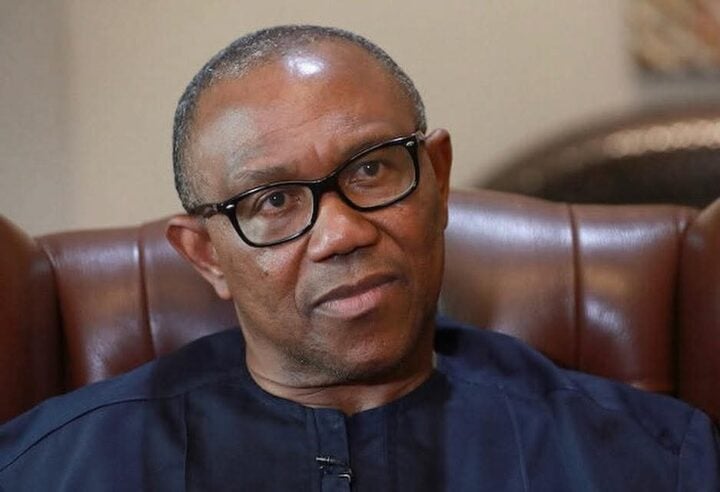

Former Anambra State governor and 2023 Labour Party presidential candidate, Peter Obi, has renewed his criticism of Nigeria’s governance structure, insisting that the country possesses enough financial capacity to meet the basic needs of its citizens but routinely fails to prioritise them due to leadership shortcomings.
Obi made this assertion in a series of posts shared on his official X (formerly Twitter) account on Tuesday, where he recounted a personal encounter that, according to him, reflects the deeper systemic problems facing Nigeria’s public healthcare system. The former governor narrated a conversation with a young Nigerian woman who had recently graduated from a nursing school in the United States and was visiting Nigeria for the first time with her parents aboard an Air Peace flight.
According to Obi, the young nurse expressed shock, sadness, and confusion at the realities she encountered in Nigeria, particularly in relation to healthcare delivery. She reportedly recounted an incident involving her sister, who suffered a domestic accident and was taken to a government-owned hospital for urgent medical attention.
Obi said the lady narrated that despite visible bleeding and the urgency of the situation, hospital staff refused to commence treatment until payment was made. When the family questioned the decision, they were reportedly shown other patients in even more critical conditions who were also left unattended for the same reason — lack of upfront payment.
Related News

DSS Tells Court Kaduna Man’s Tweets Could Drag Nigeria into Israel–Iran Conflict
Nigeria’s domestic intelligence agency, the Department of State Services (DSS), has told a court that social media posts allegedly made…

Nigeria Begins Evacuation of Citizens from Iran Amid Escalating Middle East Conflict
The Nigerian government has started evacuating its citizens from Iran as tensions in the Middle East intensify.

Nigeria Surpasses India in Number of People Living in Poverty – Report
New data shared by Statisense suggests that Nigeria now has a higher number of people living below the poverty line…
After eventually paying, the family was further distressed to discover that the hospital had only one blood-testing machine serving all patients and that the equipment was allegedly not being sterilised between uses. Obi added that when concerns about hygiene were raised, hospital staff reportedly warned them to stop asking questions if they wanted treatment to continue. Despite payment, the family was still required to purchase most of the medical supplies needed for the procedure.
The young nurse, Obi said, found the experience deeply troubling, noting that her professional training and exposure to healthcare systems abroad had taught her that emergency treatment is typically provided before payment discussions. She also revealed that she and others had once considered launching a fundraising initiative to support healthcare services in Nigeria, but were discouraged by relatives who warned that any funds raised could be mismanaged.
Obi further quoted the lady as saying the experience helped her understand the circumstances surrounding the death of Nigerian boxer, Segun “Success” Olanrewaju (popularly referred to as Boxer Joshua), who reportedly died after collapsing during a bout due to the absence of an ambulance. She questioned whether Nigeria’s healthcare challenges were due to poverty, even as she expressed willingness to volunteer her skills and raise funds to support reform.
Responding to her concerns, Obi said he encouraged the young woman not to lose hope, emphasising that Nigeria’s problem is not a lack of resources but poor governance. He argued that government spending priorities often favour prestige projects over life-saving infrastructure.
The former presidential candidate pointed to recent expenditures, stating that the ₦39 billion used to renovate the International Conference Centre in Abuja and the ₦21 billion spent on rebuilding the Vice President’s official residence could have been redirected to procure approximately 400 standard ambulances nationwide. According to him, this would amount to about 11 ambulances per state, including the Federal Capital Territory, potentially saving lives during medical emergencies.
Obi also criticised the reported ₦300 billion spent on acquiring an additional presidential jet, noting that the same amount could have funded over 4,000 primary healthcare centres across the country. He estimated that building a functional primary healthcare centre costs about ₦75 million, making such an investment far more impactful for ordinary Nigerians.
“Nigeria is not poor; it is poorly governed,” Obi stated, adding that basic necessities, particularly critical services like healthcare and emergency response, are often ignored due to what he described as incompetent leadership.
His remarks have sparked widespread public debate, with supporters applauding his emphasis on fiscal discipline and critics questioning his record as a former governor. Nonetheless, the comments have once again placed national attention on government spending priorities and the broader challenges of public service delivery in Nigeria.