Nigeria Has Shifted From Padded Budgets to Forged Laws, Peter Obi Alleges
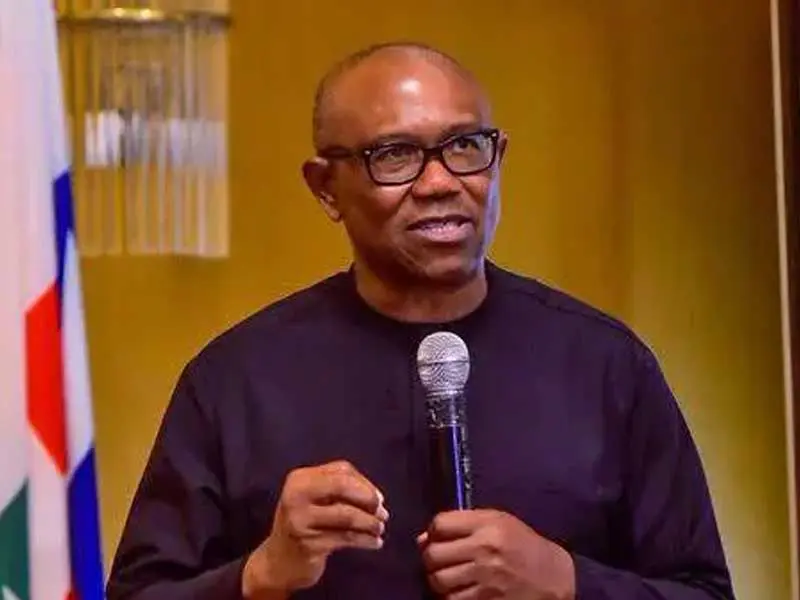

Former presidential candidate of the Labour Party and ex-governor of Anambra State, Mr Peter Obi, has accused the Federal Government of Nigeria of presiding over what he described as a troubling shift from padded budgets to the forging of laws. Obi made the allegation in a public statement titled “Migrating from Padded Budgets to Forged Laws”, which he shared on his official X (formerly Twitter) handle on Saturday.
In the statement, Obi alleged that there are documented discrepancies between certain bills passed by the National Assembly and the versions eventually published, signed, and enforced by the executive arm of government. He warned that the development goes beyond clerical or administrative error, describing it instead as a profound constitutional breach that undermines democratic institutions and erodes public confidence in governance.
According to Obi, Nigeria appears to be entering a dangerous phase where laws that affect citizens’ rights, obligations, and access to justice may be altered outside the legislative process. He said such practices, if proven, represent a deeper level of institutional decay than the long-criticised issue of budget padding.
“Our national shame continues to unfold, evident in the decisions made by our leaders, even at the highest levels of government,” Obi stated. “This shame is highlighted by a deeply troubling—and frankly unacceptable—issue: the documented discrepancies between what the legislature passed and what was ultimately published as law by the executive.”
The former governor stressed that laws form the backbone of any constitutional democracy and that any tampering with them strikes at the heart of governance. He argued that altering legislation after it has been duly passed by elected representatives amounts to an abuse of process and raises serious questions about accountability, transparency, and respect for the rule of law.
Related News

DSS Tells Court Kaduna Man’s Tweets Could Drag Nigeria into Israel–Iran Conflict
Nigeria’s domestic intelligence agency, the Department of State Services (DSS), has told a court that social media posts allegedly made…

Nigeria Begins Evacuation of Citizens from Iran Amid Escalating Middle East Conflict
The Nigerian government has started evacuating its citizens from Iran as tensions in the Middle East intensify.

Nigeria Surpasses India in Number of People Living in Poverty – Report
New data shared by Statisense suggests that Nigeria now has a higher number of people living below the poverty line…
Obi further alleged that the disputed legislation introduced enforcement and coercive powers that were never approved by the House of Representatives. Among the provisions he highlighted were requirements for mandatory deposits before appeals could be heard in court, the sale of assets without judicial oversight, and the granting of arrest powers to tax authorities. He described these measures as far-reaching and potentially harmful to citizens’ rights.
Perhaps most concerning, according to Obi, is what he described as the silence of the Presidency on the matter. He questioned why allegations involving possible forgery, institutional sabotage, and abuse of process had not been publicly addressed by the executive.
“Who made these alterations?” Obi asked. “All of this must be made public. Nigerians need to understand what was signed, what was passed, and what was formally recorded.”
He argued that trust in governance cannot be sustained if citizens are asked to bear heavier tax burdens while doubts persist about the integrity of the lawmaking process. Obi insisted that transparency is essential, particularly at a time when the government is seeking greater compliance and sacrifice from the public.
The former presidential candidate called for leadership that respects due process and upholds constitutional principles. He warned that no nation can thrive in an environment where laws are allegedly manipulated and official silence replaces accountability.
“We need leadership that follows due process, embraces transparency and accountability, and respects the rule of law,” he said. “No nation can thrive where laws are forged and silence replaces leadership.”
The allegations have sparked intense public debate, with supporters viewing Obi’s statement as a necessary warning against democratic backsliding, while critics have challenged him to provide concrete evidence of the alleged alterations. The controversy underscores growing concerns among Nigerians about governance, legislative integrity, and the balance of power between the arms of government.
As calls mount for clarification from relevant authorities, the issue has once again brought the spotlight onto the fragile state of institutional trust in Nigeria’s democratic system.