Nigeria Maritime Authority Denies Any Link to Supertanker Seized by U.S. Forces
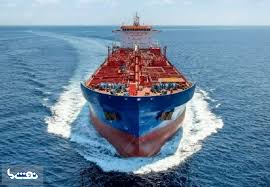

The Nigerian Maritime Administration and Safety Agency (NIMASA) has dismissed reports suggesting that Nigeria is connected to the Very Large Crude Carrier (VLCC) MV Skipper, a supertanker seized by United States authorities over alleged involvement in crude oil theft, sanctions evasion, and other transnational maritime crimes. According to the agency, claims tying the vessel to Nigeria are inaccurate and unsupported by official maritime records.
In a statement issued on Friday, NIMASA clarified that the 20-year-old tanker, identified by International Maritime Organization (IMO) Number 9304667, is not registered under the Nigerian flag and does not have authorisation to operate as a Nigerian vessel. The agency stated that comprehensive checks of Nigeria’s official ship registry showed that the MV Skipper does not appear on its records.
NIMASA further explained that the company widely cited as the vessel’s operator, Thomarose Global Ventures Ltd., is not registered with the agency as a licensed Nigerian shipping company. This, it said, further undermines claims that the vessel has any formal operational link to Nigeria’s maritime regulatory system.
The clarification followed announcements by the U.S. Coast Guard and the U.S. Navy that the tanker had been intercepted earlier in the week in international waters off the coast of Venezuela. U.S. authorities alleged that the vessel was involved in crude oil theft, piracy-related activities, and the illicit transportation of oil from Iran and Venezuela in violation of American sanctions. The MV Skipper has reportedly been under sanctions by the U.S. Office of Foreign Assets Control (OFAC) since 2022.
Related News

DSS Tells Court Kaduna Man’s Tweets Could Drag Nigeria into Israel–Iran Conflict
Nigeria’s domestic intelligence agency, the Department of State Services (DSS), has told a court that social media posts allegedly made…
Nigeria Begins Evacuation of Citizens from Iran Amid Escalating Middle East Conflict
The Nigerian government has started evacuating its citizens from Iran as tensions in the Middle East intensify.

Nigeria Surpasses India in Number of People Living in Poverty – Report
New data shared by Statisense suggests that Nigeria now has a higher number of people living below the poverty line…
According to NIMASA, data from its Command, Control, Communication, Computer, and Intelligence (C4i) Centre showed that the vessel was last sighted in Nigerian waters on 1 July 2024. After that date, the tanker reportedly sailed on regular international routes, operating in the Arabian Sea before moving into the Caribbean region, where it was eventually intercepted by U.S. forces.
The agency also noted that the tanker has a complex operational history marked by multiple changes in name and ownership, a pattern commonly associated with vessels seeking to obscure their identity or evade regulatory oversight. Records indicate that the vessel was previously owned by Triton Navigation Corporation, a company based in the Marshall Islands, before undergoing subsequent ownership and management changes.
At the time of its interception, the MV Skipper was found flying the flag of Guyana. However, Guyana’s Maritime Administration Department (MARAD) later confirmed that the tanker was not listed in its national ship registry, describing the use of the Guyanese flag as illegal. Maritime experts note that such unauthorised use of flags—often referred to as “flag hopping”—is a known tactic employed by vessels attempting to evade sanctions, disguise ownership, or operate outside regulatory scrutiny.
Reacting to the development, the Director General of NIMASA, Dr Dayo Mobereola, reaffirmed the agency’s commitment to transparency and international cooperation. He stressed that Nigeria would not tolerate criminal activity within its maritime domain and would continue to work closely with global partners to combat maritime crime.
“NIMASA remains fully committed to cooperating with all relevant international authorities, including investigators from the United States, to ensure that the facts surrounding this matter are clearly established,” Mobereola said. “Nigeria will not provide cover for illegal activities, and we will take all necessary steps within our mandate to protect the integrity of our maritime space.”
The incident has sparked intense public debate, with opinions sharply divided over whether Nigeria may still be indirectly connected through private actors, shell companies, or informal operations. While NIMASA maintains that regulatory records do not support claims of Nigerian registration or flagging, some commentators have argued that the presence of Nigerian-based firms or past operations near Nigerian waters warrants deeper scrutiny.
Maritime analysts note, however, that international shipping frequently involves layered ownership structures, offshore incorporation, and complex chartering arrangements that can make attribution difficult. They argue that responsibility in such cases is determined by verifiable documentation, including flag state registration, ownership records, bills of lading, and sanctions filings, rather than assumptions based on geography or speculation.
As investigations continue, NIMASA insists that conclusions should be guided by evidence and due process. The agency has called for restraint in public commentary, warning that premature attribution of blame could damage Nigeria’s international standing and undermine efforts to address maritime crime through lawful and cooperative means.