Nigerian Air Force Conducts Precision Airstrikes on Fleeing Benin Coup Plotters Amid Regional Security Tensions
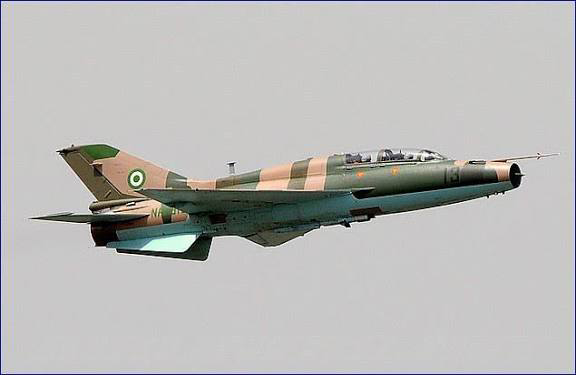

The Nigerian Air Force (NAF) has reportedly executed a series of precision airstrikes against fleeing elements linked to a recently foiled military coup attempt in the Benin Republic, marking one of the most significant cross-border military actions involving Nigeria in recent years. Security sources confirmed that the operation targeted armed coup plotters who were attempting to escape from the commercial capital, Cotonou, in armoured vehicles after loyalist forces in Benin neutralised the initial takeover attempt.
According to intelligence-linked reports, the operation was conducted within Beninese airspace with the full consent of the legitimate authorities of Benin, and in coordination with regional partners. The airstrikes were said to have taken place over a brief but intense operational window, with multiple Nigerian fighter jets deployed to strike designated targets believed to be occupied by the fleeing insurgent elements.
Sources familiar with the mission described it as “meticulously planned and intelligence-driven,” with clearly defined objectives aimed at preventing the regrouping of the coup plotters and eliminating any threat of renewed destabilisation. The strikes reportedly immobilised several armoured vehicles and disrupted key escape routes, leading to the neutralisation of multiple suspects. Eyewitness accounts from parts of Cotonou and surrounding areas reported loud explosions and heightened military movements, further confirming the scale of the engagement.
The air operation followed the reported failure of a coup allegedly led by Lieutenant Pascal Tigri, who was said to have attempted to dissolve democratic institutions and seize military control of the Benin Republic. After the coup was repelled by loyalist units of the Beninese military, surviving plotters reportedly attempted to flee southward, prompting Nigeria’s rapid aerial intervention.
Related News

DSS Tells Court Kaduna Man’s Tweets Could Drag Nigeria into Israel–Iran Conflict
Nigeria’s domestic intelligence agency, the Department of State Services (DSS), has told a court that social media posts allegedly made…

Nigeria Begins Evacuation of Citizens from Iran Amid Escalating Middle East Conflict
The Nigerian government has started evacuating its citizens from Iran as tensions in the Middle East intensify.

Nigeria Surpasses India in Number of People Living in Poverty – Report
New data shared by Statisense suggests that Nigeria now has a higher number of people living below the poverty line…
A senior Nigerian military officer, speaking on condition of anonymity, reaffirmed Nigeria’s commitment to regional security and stability. The officer stated that Nigeria would not tolerate any development capable of destabilising neighbouring countries or threatening its own borders. He further explained that the mission adhered strictly to international engagement rules and was executed with careful consideration to minimise civilian casualties while achieving maximum operational effectiveness.
The development has triggered intense reactions across Nigeria’s public space, with opinions sharply divided. Some Nigerians hailed the move as a demonstration of Nigeria’s regional leadership and its readiness to act decisively against unconstitutional seizures of power within West Africa. Supporters also referenced Nigeria’s historical military role in stabilising conflict-ridden states such as Liberia and Sierra Leone as evidence of its long-standing commitment to regional peacekeeping.
However, a large section of public commentary has questioned why similar military decisiveness has not been consistently applied to Nigeria’s own internal security crises. Many citizens expressed frustration over the continued activities of bandits, kidnappers, and terrorist groups within Nigeria, particularly in the North-East and North-West regions. Critics argued that if the Nigerian Air Force could successfully locate and strike fleeing coup plotters in a neighbouring country, it should be equally capable of deploying such precision against criminal networks operating openly within Nigerian territory.
Others raised concerns about possible retaliatory threats, warning that cross-border military actions could expose Nigeria to security risks if displaced elements attempt to seek refuge within its borders. There were also voices urging caution, stressing that Nigeria must prioritise stabilising its domestic security environment before extending its military reach outward.
Additional commentary focused on the political implications of the operation, with some analysts interpreting the strikes as a strong signal by the Nigerian government against any form of unconstitutional government change within the sub-region. The action also aligns with ECOWAS’ long-standing policy of zero tolerance for military coups, especially in light of the recent surge of military takeovers across parts of West Africa.
Meanwhile, scepticism persists in some quarters over the full details of the incident. A number of commentators questioned the extent of Nigeria’s direct involvement, suggesting that the coup had already been effectively neutralised by Beninese forces before any foreign intervention. These voices accused official sources of exaggerating Nigeria’s role for political messaging and regional influence.
Despite the controversies, military and diplomatic coordination between Nigeria and Benin remains ongoing, with efforts focused on identifying surviving suspects, tightening border surveillance, and preventing any resurgence of subversive activity. Security agencies on both sides are also assessing the broader implications of the failed coup for regional intelligence-sharing and counter-insurgency cooperation.
As investigations continue and official statements remain limited, the airstrikes have emerged as a symbol of both Nigeria’s military reach beyond its borders and the unresolved debates surrounding its internal security strategy. Whether the operation ultimately strengthens regional peace or deepens domestic criticism of Nigeria’s security priorities remains a matter of intense national discussion.