NISO Blames Gas Shortfall for Nationwide Drop in Electricity Supply
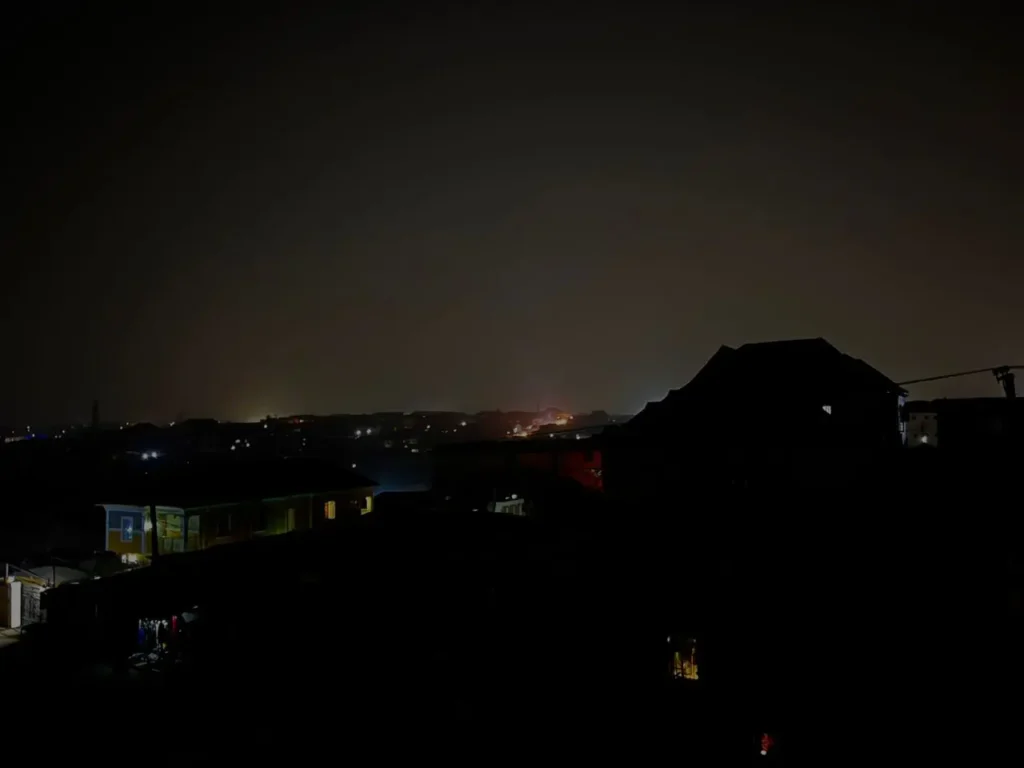

The Nigerian Independent System Operator (NISO) has attributed the current decline in electricity supply across Nigeria to a significant shortfall in gas supply to thermal power plants.
In a public statement, the system operator disclosed that the national grid is currently generating an average of about 4,300 megawatts (MW), far below what is required to ensure stable and adequate electricity distribution nationwide. According to NISO, the reduction stems primarily from insufficient gas supply to thermal generating stations, which account for the largest share of Nigeria’s power generation mix.
The statement explained that thermal plants collectively require approximately 1,629.75 million standard cubic feet (MMSCF) of gas per day to function at optimal capacity. However, as of February 23, 2026, actual gas supply stood at roughly 692.00 MMSCF per day—representing less than 43 percent of the daily requirement.
NISO noted that the gap between required and actual supply has significantly constrained generation output. With thermal plants unable to operate at full capacity, the total energy available on the grid has declined, forcing operators to ration available power among distribution companies (DisCos).
“Given that thermal plants account for the dominant share of Nigeria’s generation mix, any disruption or limitation in gas supply directly affects available generation capacity and overall grid output,” the statement read. It added that energy allocation to DisCos reflects only what is currently available on the grid.
Load Shedding to Maintain Stability
The operator further explained that when system-wide generation drops to critically low levels, it becomes necessary to implement load shedding to maintain grid stability and prevent a total system collapse.
Related News
Ogun at 50: Review of Gbenga Daniel’s Electricity Reforms Revives Debate Over Missing Power Projects
As Ogun State marks its 50th anniversary, renewed attention has turned to former governor Gbenga Daniel’s ambitious electricity reforms, which…
DisCos Push Back Against Federal Government’s Free Electricity Meter Policy
Electricity distribution companies have raised strong concerns over the Federal Government’s directive mandating the free installation of prepaid electricity meters…
FG Bans Meter Installation Charges, Threatens Sanctions Against DisCos and Installers
The Federal Government has banned electricity distribution companies and installers from collecting any fees for meter installation, warning that any…
Under such circumstances, available electricity is dispatched in line with allocation percentages set by the Nigerian Electricity Regulatory Commission (NERC) through its Multi-Year Tariff Order (MYTO) framework. This ensures that all distribution networks receive proportional allocations based on regulatory guidelines, even when overall supply is limited.
NISO expressed regret over the inconvenience to electricity consumers and market participants, stating that it is working closely with relevant stakeholders to restore full energy allocation once gas supply improves.
Public Frustration Mounts
The announcement has sparked widespread frustration among consumers, many of whom say they have experienced weeks of erratic or near-total power outages. Some complain of increased electricity tariffs despite worsening supply conditions.
Observers have also questioned why a country with vast natural gas reserves is struggling to meet domestic generation requirements. Nigeria is one of Africa’s largest gas producers and has long promoted plans to expand gas commercialization and exports.
Energy analysts point out that challenges in the sector often extend beyond production levels. Issues such as pipeline vandalism, infrastructure bottlenecks, payment shortfalls within the electricity value chain, and contractual disputes between gas suppliers and power generation companies can disrupt consistent supply.
Structural Dependence on Gas
Nigeria’s power generation remains heavily dependent on thermal plants fueled by natural gas. While hydroelectric stations contribute to the grid, they account for a smaller share of total capacity and are subject to seasonal water level fluctuations.
Experts say the recurring supply crisis underscores the need to diversify the country’s energy mix and strengthen domestic gas infrastructure. Some stakeholders have advocated for expanded investment in renewable energy sources and decentralized generation under reforms introduced by the Electricity Act 2023, which allows states to participate more directly in electricity generation and transmission.
For now, however, NISO maintains that the immediate cause of the current nationwide shortfall is the sharp drop in gas supply to thermal generating units.
Until supply improves and generation capacity is restored, consumers across the country are likely to continue experiencing intermittent outages and load shedding.