FG Bans Meter Installation Charges, Threatens Sanctions Against DisCos and Installers
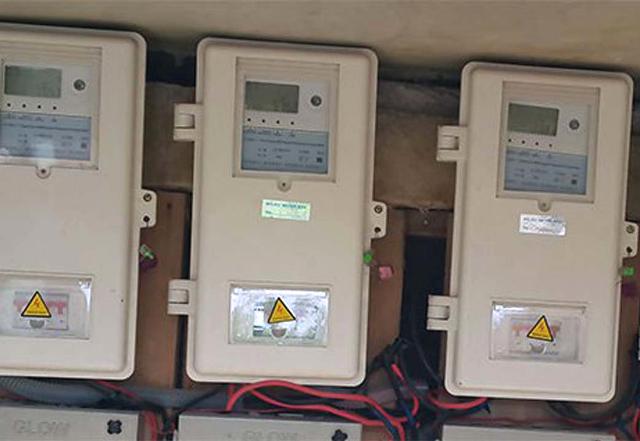

The Federal Government has issued a firm directive banning electricity distribution companies (DisCos) and their installers from collecting any form of payment for meter installation, warning that violators will face sanctions and possible prosecution. The announcement was made by the Minister of Power, Adebayo Adelabu, during an on-site inspection of newly imported smart meters at APM Terminals, Apapa Port, Lagos.
According to the minister, the meters were procured under the World Bank–funded Distribution Sector Recovery Programme (DISREP) and must be installed for electricity consumers at no cost. Adelabu stressed that any request for money—whether direct or indirect—constitutes an offence under the programme’s guidelines and will not be tolerated by the Federal Government.
He explained that the inspection was conducted to physically verify the latest shipment of smart meters imported as part of efforts to eliminate the long-standing metering gap in Nigeria’s power sector. Under DISREP, the government plans to deploy approximately 3.4 million meters nationwide in two phases. The first batch comprises 1.43 million meters, of which close to one million have already arrived, with about 150,000 installed across various DisCos.
The latest shipment includes nearly 500,000 smart meters, all designed to meet the specific technical requirements of individual DisCos. Adelabu described the initiative as unprecedented, noting that it is the first time the Federal Government is directly importing and locally procuring meters at such scale to reform the power sector.
He expressed dissatisfaction with the pace of installation so far but remained optimistic that sustained deployment would ensure that, within a few years, all households, businesses, and institutions are fully metered. According to him, widespread metering will lead to fairer billing, improved transparency, and increased willingness among consumers to pay their electricity bills, thereby improving liquidity across the sector.
Related News
NISO Blames Gas Shortfall for Nationwide Drop in Electricity Supply
The Nigerian Independent System Operator says inadequate gas supply to thermal power plants has reduced national grid generation to about…

300-Bed Enugu International Hospital Approaches Completion Amid Public Reactions
Construction of the 300-bed Enugu International Hospital is nearing completion, with officials and residents expressing optimism that the facility will…
Anambra Government Seals Shops in Onitsha Markets Over Monday Closure, Commends Compliant Traders
The Anambra State Government has sealed several shops across markets in Onitsha and nearby communities after traders failed to open…
The minister warned that the government would closely monitor the installation process and encouraged Nigerians to report any instances of extortion. He revealed plans to establish customer complaint desks and strengthen coordination with the Nigerian Electricity Regulatory Commission (NERC) and state-level regulators to track and investigate complaints.
Adelabu emphasized that confirmed cases of extortion would result in prosecution, regardless of the status or position of those involved. He added that such cases would be publicised to serve as a deterrent to others. According to him, the Tinubu administration is determined to resolve decades-long challenges that have undermined the power sector and eroded public trust.
Addressing concerns about discrimination across electricity tariff bands, Adelabu clarified that the free meters would be distributed to all categories of customers, regardless of whether they fall under Band A, B, or C. He described the banding system as a temporary measure and assured Nigerians that metering would be inclusive and nationwide.
Also speaking at the event, the Director-General of the Bureau of Public Enterprises (BPE), Ayo Gbeleyi, said the bureau coordinates the implementation of DISREP and works closely with all 11 DisCos. He disclosed that NERC would soon issue new guidelines to ensure DisCos grant unhindered access for meter installation.
Gbeleyi explained that each meter is configured specifically for a particular DisCo and embedded with anti-theft protocols, making it impossible to install a meter meant for one DisCo in another’s network.
Meanwhile, the Chairman of Mojec, Mojisola Abdul, confirmed that nearly 150,000 meters have already been installed free of charge. She disclosed plans for mobile registration, promising that customers who register could have their meters installed within three days.
Despite the assurances, public reactions remain mixed, with many Nigerians expressing scepticism based on past experiences involving delayed installations, estimated billing, and illegal charges. Adelabu acknowledged these concerns, attributing them to previous shortages and payment-based systems, but insisted that the current programme eliminates those complications through adequate supply and zero-cost installation.
Nigeria currently has over five million electricity customers under estimated billing, a situation the government says this programme is designed to permanently address.