NNPC Raises Petrol Pump Price to ₦933 Per Litre in Lagos, ₦960 in Abuja
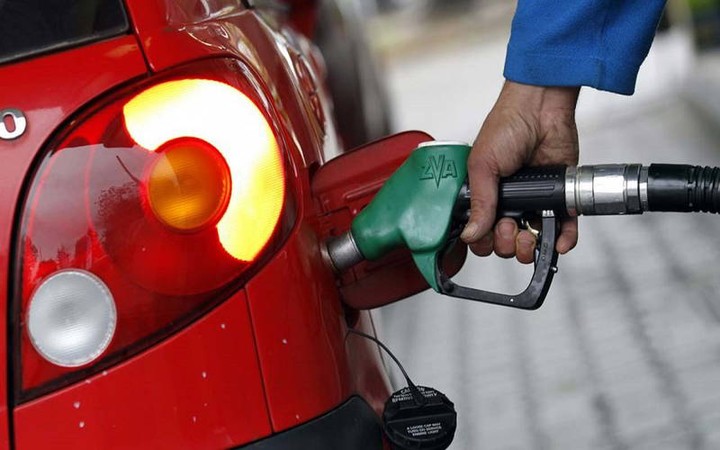

The Nigerian National Petroleum Company Limited (NNPC) has increased the retail price of premium motor spirit (PMS), commonly known as petrol, at its filling stations to ₦933 per litre in Lagos and ₦960 per litre in Abuja.
The adjustment represents a significant rise from the previous pump prices of ₦830 per litre in Lagos and ₦875 per litre in the Federal Capital Territory, marking increases of ₦103 and ₦85 respectively.
Checks at several NNPC retail outlets on Wednesday confirmed that the new pricing had already been implemented. At stations located around Apple Junction and Ago Palace Way in Lagos, petrol was observed selling at ₦933 per litre. Similarly, NNPC outlets along Airport Road in Lugbe, Abuja, were dispensing fuel at the new rate of ₦960 per litre.
The latest price adjustment follows a recent change in the ex-gantry price of petrol by the Dangote Petroleum Refinery. On March 2, the refinery raised its ex-gantry price—the price at which petrol is sold to marketers—from ₦774 per litre to ₦874 per litre.
Industry analysts say the adjustment by NNPC reflects broader market realities affecting the global oil industry, particularly the rising cost of crude oil in international markets.
In recent days, global crude oil prices have climbed sharply amid escalating geopolitical tensions in the Middle East. Benchmark crude oil prices have been on an upward trajectory, with Brent Crude rising to approximately $85 per barrel on March 3, compared to about $72 per barrel recorded on February 28.
Related News

IEA Announces Record Release of 400 Million Barrels of Oil to Stabilize Markets Amid Iran War
The International Energy Agency (IEA) has announced the largest emergency oil release in its history, unlocking 400 million barrels from…

Petrol Price Could Reach ₦2,000 Per Litre If Middle East Conflict Persists – PETROAN
The Petroleum Products Retail Outlets Owners Association of Nigeria (PETROAN) has warned that petrol prices in Nigeria could surge to…
IPMAN Urges Federal Government to Cut Crude Oil Price for Dangote Refinery
The Independent Petroleum Marketers Association of Nigeria (IPMAN) has called on the Federal Government to reduce the cost of crude…
The increase in crude oil prices has direct implications for fuel production and import costs in many countries, including Nigeria, where petrol pricing has increasingly been influenced by global market dynamics following the removal of long-standing fuel subsidies.
Stakeholders in Nigeria’s downstream petroleum sector have previously warned that disruptions in global crude supply chains could translate into higher domestic fuel prices if local refining capacity and supply stability are not strengthened.
Earlier, the Petroleum Products Retail Outlets Owners Association of Nigeria (PETROAN) urged the federal government to prioritise a steady supply of crude oil to domestic refineries in order to reduce the country’s exposure to global oil market fluctuations.
The association noted that while Nigeria is an oil-producing nation, insufficient crude supply to local refineries could force operators to depend on international markets, where prices are often volatile.
PETROAN further warned that sustained increases in global crude oil prices could have broader economic implications beyond petrol pump prices. According to the group, prolonged disruptions could affect Nigeria’s foreign exchange stability, raise domestic fuel prices further, and contribute to inflationary pressures across multiple sectors of the economy.
Higher fuel prices typically have ripple effects across transportation, food distribution, and manufacturing costs, which can in turn influence the general cost of living.
Nigeria has been undergoing significant reforms in its petroleum sector in recent years, particularly following the removal of fuel subsidies and the commercial restructuring of the national oil company.
While these reforms aim to make the sector more market-driven and financially sustainable, they have also exposed consumers more directly to fluctuations in global energy prices.
With the latest adjustment by NNPC, motorists and businesses across major cities are expected to face higher transportation and logistics costs, while economic analysts continue to monitor how global oil price movements and domestic refining capacity will shape fuel pricing in the coming months.