NSC Introduces Criminal Sanctions for Age Falsification in Nigerian Sports, Triggering Nationwide Reactions
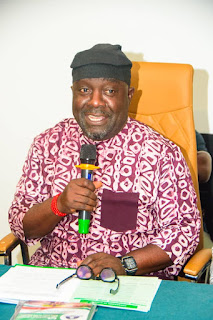

The National Sports Commission (NSC) has formally criminalised age falsification in Nigerian sports following the approval of a landmark policy by the National Council of Sports during its 2nd Council meeting in Calabar. The decision marks one of the most significant reforms ever introduced in the sector, targeting a practice that has undermined talent development, damaged international credibility, and hindered the long-term growth of Nigeria’s sporting ecosystem.
According to the NSC, the new policy establishes clear legal and administrative consequences for any form of age manipulation. Hon. Kola Daniel Olopade described the reform as a decisive shift from years of leniency. In his remarks, he stated that the era of impunity had ended, calling age falsification a national disgrace and a systemic sabotage of the country’s sports future. He referenced various past incidents where Nigeria faced global embarrassment due to players presenting inconsistent ages during domestic and international competitions.
Olopade emphasised that age cheating has long-term effects on talent development, noting that it robs genuinely young athletes of opportunities, distorts fair competition, and diminishes the credibility of national teams. He stated that the new sanctions send an unambiguous message that any individual or group involved in age manipulation will face immediate consequences in line with the law.
Related News

Kaduna State Government Takes Over Ahmadu Bello Stadium, Begins Major Reconstruction
The Kaduna State Government has officially taken over ownership of the iconic Ahmadu Bello Stadium from the Federal Government, following…

Nigeria Marks Fourth Consecutive Winter Olympics Appearance with Athlete Samuel Ikpefan
Nigeria has continued its growing presence in winter sports with its fourth consecutive appearance at the Winter Olympic Games.

Mikel Obi Reveals How Premier League Rule Blocked Manchester United Move
Former Super Eagles captain John Obi Mikel has disclosed that a Premier League work permit regulation stopped Manchester United from…
The sanctions apply to a wide range of stakeholders including athletes, coaches, team officials, match officials, administrators, and state delegations. The penalties are comprehensive: athletes found guilty will face instant disqualification, annulment of medals, reversal of records, and suspensions ranging from one to two years for first-time offenders, while repeat violators may face permanent exclusion from future competitions. Coaches and officials implicated in age falsification risk suspension of licenses for up to three years, removal from duties, and permanent bans in severe cases. Entire teams or state delegations may also be disqualified, stripped of their results, and subjected to financial penalties covering investigative and administrative costs.
The policy takes immediate effect across all national age-grade competitions and will guide Nigeria’s participation in continental and global events. It forms a core component of the Renewed Hope Initiative for Nigeria’s Sports Economy, a framework aimed at strengthening transparency, accountability, and integrity within the sports sector. With these reforms, Nigeria aligns itself with the compliance standards used by FIFA, the International Olympic Committee, World Athletics, and FIBA.
The NSC also issued stern warnings to parents, officials, athletes, and state representatives who aid or conceal age manipulation, making it clear that there will be no exemptions or protective cover for offenders. To enhance enforcement, the commission plans to deploy biometric verification, digital identity checks, and thorough documentation audits before major competitions.
Reactions from the public quickly surfaced online. Some commenters expressed hope that the reforms would finally restore order to a system long plagued by inconsistencies. Others questioned whether enforcement would be effective considering the broader national challenges with documentation integrity. Discussions highlighted concerns around certificate forgery, weak data systems, and the inconsistency of identification databases. Some users argued that without a unified national record system, enforcing strict age verification would remain challenging.
Others used the announcement as a springboard to criticise age-related discrepancies in politics and civil service, noting that age manipulation is a long-standing issue across multiple sectors. Several commenters referenced historical controversies involving past athletes, raising questions about earlier age-grade tournament victories and whether past squads had been compromised by ineligible players.
Despite the mixed reactions, many agreed that the policy is overdue and represents an important step toward rebuilding trust in Nigeria’s sports structure. The NSC urged state sports councils, federations, coaches, parents, and administrators to comply fully with the new standards and support efforts to strengthen integrity in sports administration.