Opposition Leaders Warn of Growing Threat to Nigeria’s Multi-Party Democracy
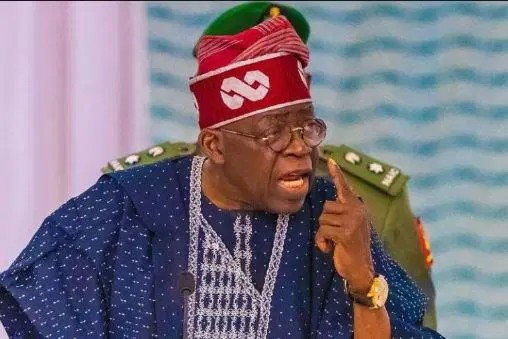

Several leading opposition figures in Nigeria have raised concerns over what they describe as an emerging threat to the country’s multi-party democratic system, alleging that state institutions are increasingly being used to intimidate and weaken opposition forces. In a joint statement released on Sunday, the leaders accused the administration of President Bola Ahmed Tinubu of deploying anti-corruption and security agencies for partisan purposes rather than for genuine institutional reform.
The opposition leaders claimed that agencies such as the Economic and Financial Crimes Commission (EFCC), the Nigeria Police Force, and the Independent Corrupt Practices and Other Related Offences Commission (ICPC) are being weaponised to harass political opponents under the pretext of fighting corruption. According to them, this trend represents a dangerous drift away from democratic norms and threatens the pluralistic political culture Nigeria has maintained since the return to civilian rule in 1999.
The statement was jointly signed by former Vice President Atiku Abubakar; former Senate President and National Chairman of the African Democratic Congress (ADC), Senator David Mark; Labour Party’s 2023 presidential candidate, Mr Peter Obi; former Edo State Governor and ex-APC National Chairman, Chief John Odigie-Oyegun; former Deputy National Chairman of the Peoples Democratic Party (South), Chief Olabode George; and former Minister of State for Defence, Mallam Lawal Batagarawa.
The group warned that Nigeria appears to be sliding toward a de facto one-party system, alleging that opposition governors, lawmakers, and influential political figures are being pressured through investigations and prosecutions to abandon their parties and defect to the ruling All Progressives Congress (APC). They argued that such pressure undermines political choice and erodes the competitive environment essential for democracy to function.
Related News

DSS Tells Court Kaduna Man’s Tweets Could Drag Nigeria into Israel–Iran Conflict
Nigeria’s domestic intelligence agency, the Department of State Services (DSS), has told a court that social media posts allegedly made…

Nigeria Begins Evacuation of Citizens from Iran Amid Escalating Middle East Conflict
The Nigerian government has started evacuating its citizens from Iran as tensions in the Middle East intensify.

Nigeria Surpasses India in Number of People Living in Poverty – Report
New data shared by Statisense suggests that Nigeria now has a higher number of people living below the poverty line…
“State power is increasingly being deployed not for the genuine fight against corruption, but for the systematic persecution of perceived political opponents ahead of the 2027 general election,” the statement read. The leaders contended that this approach risks turning anti-corruption agencies into political tools rather than impartial defenders of public accountability.
Central to their criticism was the allegation of selective enforcement. The opposition figures claimed that politicians aligned with opposition parties are subjected to aggressive investigations, prolonged detention, and media trials, while similar allegations involving members of the ruling party are allegedly ignored, delayed, or quietly dropped. They argued that this perceived imbalance has significantly weakened public confidence in Nigeria’s anti-corruption framework.
They also referenced long-standing public narratives suggesting that politicians who defect to the ruling party receive protection from prosecution, pointing to past remarks attributed to senior political figures that defectors’ “sins are forgiven.” According to the opposition leaders, such perceptions have reinforced doubts about the neutrality of law enforcement institutions.
As part of their proposals, the group called for a comprehensive and independent forensic review of federal, state, and local government accounts covering the period from 2015 to 2025. They said such an audit would help expose selective prosecution, ensure equal treatment under the law, and restore public trust in the anti-corruption campaign.
In addition, they advocated for a more preventive approach to corruption by embedding anti-corruption operatives directly into government payment and procurement systems. The leaders also proposed amendments to the EFCC Act aimed at strengthening the agency’s operational independence and insulating it from political influence.
Beyond institutional reforms, the opposition figures urged Nigerians to remain vigilant and actively defend democratic principles. They warned that sustained political injustice, if left unchecked, could deepen divisions, fuel instability, and undermine national cohesion.
The statement has generated mixed reactions across the political spectrum. Supporters of the ruling party have dismissed the claims as exaggerated, arguing that anti-corruption agencies should be allowed to investigate anyone suspected of wrongdoing, regardless of political affiliation. Critics of the opposition have also suggested that internal weaknesses and lack of cohesion within opposition parties, rather than government action, account for their declining influence.
However, others see the warning as a reflection of broader anxieties about governance, rule of law, and political competition in Nigeria. As debates continue, the controversy highlights ongoing tensions between the exercise of state power and the preservation of democratic freedoms, with many observers noting that how these issues are handled could shape Nigeria’s political trajectory ahead of the next general elections.