Reps Member Warns of Rising Threats, Urges Tinubu to Reconsider Withdrawal of Police from VIP Protection
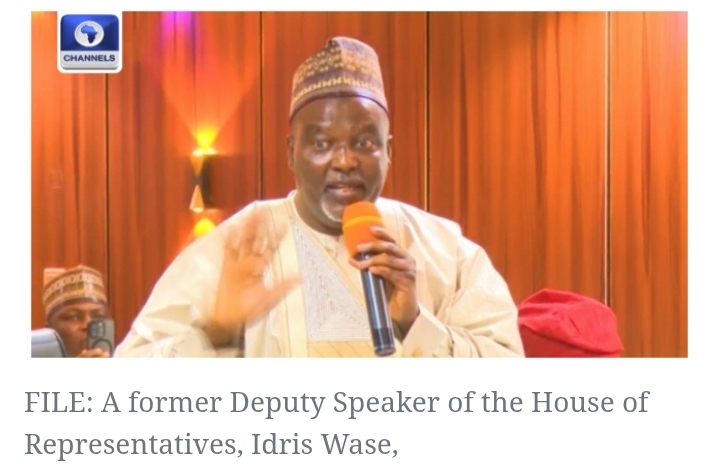

A fresh debate over national security surfaced on November 26, 2025, after former Deputy Speaker of the House of Representatives, Idris Wase, raised alarm that members of the National Assembly were receiving threats of abduction from bandit groups. His comments came during the continuation of a broader security debate in the House, where lawmakers reviewed the implications of President Bola Tinubu’s newly issued directive withdrawing police officers from Very Important Persons (VIPs).
President Tinubu, during a security meeting held on Sunday in Abuja with Service Chiefs and the Director-General of the Department of State Services, ordered the immediate withdrawal of police personnel attached to VIPs nationwide. The directive mandates all officers from the Special Protection Unit (SPU) of the Nigeria Police Force to return to their respective bases. According to the Presidency, the aim is to redeploy police manpower to core areas of responsibility—particularly communities and remote regions where police presence has been thin and citizens face heightened insecurity.
Under the new arrangement, individuals who require personal protection must now request armed security from the Nigeria Security and Civil Defence Corps (NSCDC), rather than relying on police operatives. The Presidency has defended the move as part of a broader reform designed to strengthen community policing and free up officers for operational duties.
Related News
Former INEC Commissioner Igini Warns Lawmakers: Mandatory E-Transmission Key to Political Survival in 2027
Former electoral commissioner Mike Igini has urged Nigeria’s National Assembly to make real-time electronic transmission of election results compulsory, warning…
Controversy as Senate Rejects Mandatory Real-Time Electronic Transmission of Election Results
Fresh revelations suggest internal Senate interventions led to the removal of mandatory real-time electronic transmission of election results from the…
Nigeria Not Ready for Real-Time Election Result Transmission — Shagari Sparks National Debate
Former Sokoto State Deputy Governor Mukhtar Shagari has said Nigeria should not rush into adopting real-time electronic transmission of election…
However, Idris Wase expressed concerns that the measure could endanger high-profile public officials. Speaking before the House, he stated that lawmakers were increasingly becoming targets for criminal groups. He warned that bandits were issuing threats to abduct members of the National Assembly, arguing that the policy change, if not refined, could expose elected officials to unnecessary risks.
Wase urged the President to clarify the categorization of VIPs eligible for protection under the new policy. He referenced previous security breaches in national institutions, including allegations that insurgents once infiltrated recruitment lists of the Army and Police. According to him, any approach to security reform must consider these vulnerabilities and ensure that individuals in sensitive positions are adequately protected.
The call for review underscores a growing tension between the government’s push for wider public security and the concerns of lawmakers who argue that critical stakeholders also require protection. While acknowledging the need to strengthen policing across the country, Wase maintained that national leaders remain prime targets for criminal organizations and should not be left exposed.
The debate highlights the lingering challenge of balancing limited security resources in a nation grappling with widespread insecurity. Nigeria’s police-to-population ratio remains one of the lowest in Africa, with many rural regions suffering from insufficient law enforcement presence. The Presidency has argued that redirecting police officers from VIP duty would allow thousands of trained personnel to return to community-level policing where the need is greatest.
Yet the directive has also sparked nationwide discussion about fairness and accountability. For years, civil society groups have criticized the practice of assigning large numbers of police officers to politicians, business elites, and public figures, leaving ordinary citizens with inadequate protection. Some lawmakers, however, maintain that their roles place them at particular risk and justify a degree of security coverage.
As the conversation deepens, more members of the House have reportedly voiced concerns, suggesting the matter may evolve into a larger legislative discussion. Whether the Presidency will adjust or clarify the policy remains uncertain, but the dispute reflects broader anxieties surrounding Nigeria’s ongoing struggle to address insecurity, reform policing, and manage the competing needs of public officials and citizens.