Controversy as Senate Rejects Mandatory Real-Time Electronic Transmission of Election Results
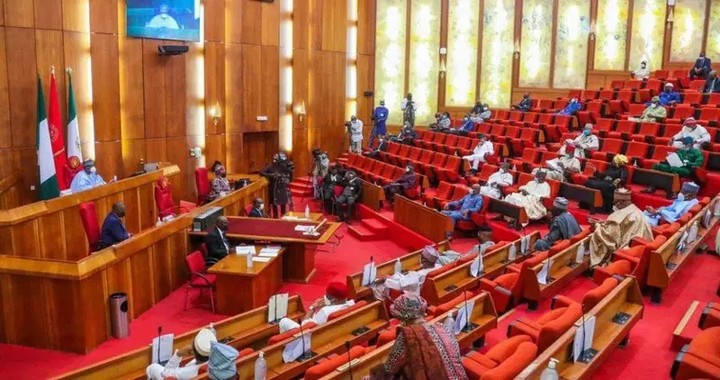

New details have emerged regarding the Nigerian Senate’s decision to reject a proposal that would have made real-time electronic transmission of election results mandatory, a move that has generated widespread political debate and concern over electoral transparency ahead of the 2027 general elections.
The proposal formed part of the Electoral Act, 2022 (Repeal and Enactment) Bill, 2026, specifically targeting Clause 60(3), which sought to compel presiding officers of the Independent National Electoral Commission (INEC) to upload polling unit results to the INEC Result Viewing Portal (IReV) in real time. The amendment was one of several recommended reforms intended to strengthen transparency, improve election timelines, and address controversies that followed the 2023 general elections.
According to legislative sources, the Senate initially worked with a version of the bill that retained the provision for real-time electronic transmission. The clause had reportedly received broad support during consultations and closed-door deliberations involving lawmakers, INEC officials, civil society groups, and other stakeholders. A Senate committee chaired by Senator Simon Lalong had recommended its adoption, while an ad-hoc committee led by Senator Niyi Adegbonmire also endorsed the measure following extensive consultations across the country.
However, during the final clause-by-clause consideration of the bill, the provision was removed. Sources indicate that the decision followed interventions by three senior southern senators who reportedly urged Senate leadership to retain the existing framework under the 2022 Electoral Act. Under the current law, electronic transmission of results is permitted but not mandatory in real time.
Related News

Henry Seriake Dickson Defects from PDP to Newly Formed Nigeria Democratic Congress
Senator Henry Seriake Dickson has formally defected from the Peoples Democratic Party (PDP) to the newly registered Nigeria Democratic Congress…

Hon. Sarah Ivie Adidi Receives “Her Excellence Award” During International Women’s Day Event in Abuja
Reps aspirant Sarah Ivie Adidi has been honoured with the 2026 “Her Excellence Award” during an event marking International Women’s…

Governor Peter Mbah Urges Ndigbo to Return to Strategic Politics
Peter Mbah, Governor of Enugu State, has urged the Igbo political class to return to what he described as “strategic…
As a result, the Senate adopted a revised provision using the word “transfer” instead of “transmit,” aligning with the existing Electoral Act. The adopted clause states that presiding officers shall transfer results in a manner prescribed by INEC after votes are counted and announced at polling units. The rejected amendment would have required immediate electronic uploading of polling unit results to the IReV portal after completion of official result forms.
The decision has drawn criticism from various stakeholders who argue that removing the mandatory requirement for real-time transmission could weaken transparency and public confidence in future elections. The controversy has intensified calls for clarity from the National Assembly regarding the final wording of the amended legislation.
Amid the backlash, the Senate has scheduled an emergency plenary session for February 10, 2026, to address unresolved issues and approve the votes and proceedings relating to the Electoral Act amendment. Although the official notice did not specify the reason for the emergency sitting, observers believe it is linked to mounting public pressure and confusion surrounding the handling of the electronic transmission clause.
Civil society organisations and legal experts have expressed concern about the potential implications of the decision. Nigerian Bar Association President Afam Osigwe stated that while delays in passing amendments may not necessarily disrupt the 2027 elections, improvements to electoral laws could enhance credibility if properly implemented. He urged INEC to continue preparations under the existing legal framework while legislative processes continue.
Policy and Legal Advocacy Centre Executive Director Clement Nwankwo criticized what he described as a departure from earlier consensus among stakeholders. He warned that ambiguity surrounding result transmission could undermine public trust in the electoral system and called for greater transparency in legislative processes.
The Nigeria Labour Congress (NLC) has also voiced strong opposition to the Senate’s decision, warning that failure to mandate real-time electronic transmission of results could trigger mass action or even a nationwide boycott of future elections. The labour union stressed that electoral credibility depends on clear and transparent processes that ensure votes are accurately counted and verifiable.
Beyond the electronic transmission debate, the Senate made additional changes to the proposed Electoral Act amendment, including adjustments to election timelines, candidate submission deadlines, and penalties related to electoral offences. Some provisions aimed at imposing stricter sanctions for voter card trading and easing proof of non-compliance in election petitions were also removed.
As Nigeria moves toward the 2027 general elections, the controversy surrounding the Electoral Act amendment highlights ongoing tensions over electoral reforms and public trust in democratic institutions. Stakeholders continue to call for clarity, transparency, and consensus to ensure that future elections are conducted with credibility and public confidence.