Samklef Claims “Peter Obi Cannot Stand Next to Tinubu Politically”
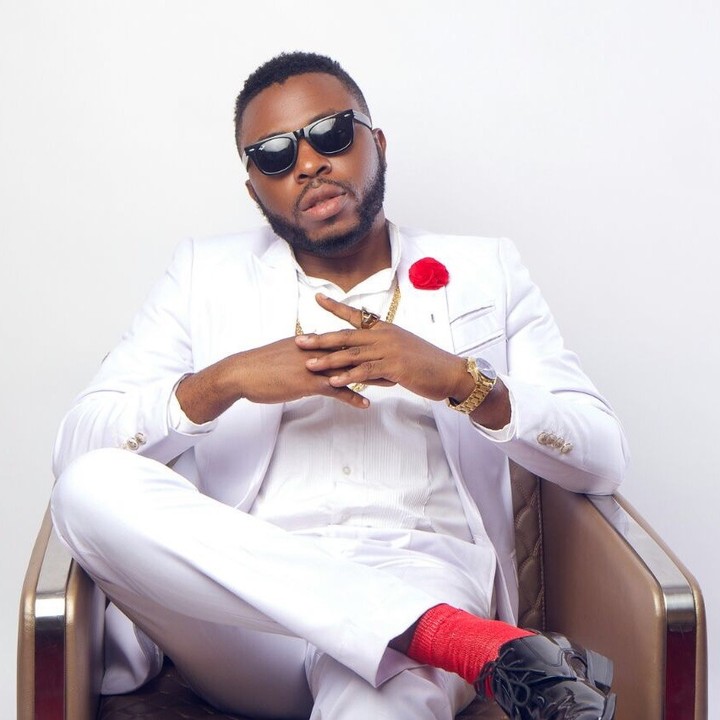

A fresh round of political debate erupted on social media after entertainer Samklef declared that “politically, Peter Obi cannot stand next to Tinubu.” The comment, posted alongside a personal message urging readers to pay attention, sparked immediate and polarized reactions across online platforms.
In his remarks, Samklef questioned Peter Obi’s achievements during his tenure as governor of Anambra State, alleging failures in governance and citing unresolved security incidents from that period. He contrasted this with Tinubu’s record as Lagos State governor, emphasizing infrastructure reforms, institutional restructuring, and political resilience. He also noted that Tinubu maintained Lagos State operations despite the federal government’s decision—during the Obasanjo administration—to withhold certain funds.
According to Samklef, Tinubu demonstrated long-term political strength by building a party structure, investing heavily in human capital, and later rising to the presidency. He presented Tinubu as a leader currently attempting to “restructure Nigeria little by little” and argued that citizens’ impatience with national recovery ignores the country’s long-standing systemic problems.
Related News
Ogun State Declares February 3 Public Holiday to Mark 50th Anniversary
The Ogun State Government has declared Tuesday, February 3, 2026, a public holiday to commemorate the state’s 50th anniversary.
Wike Seeks Court Order to Commit Striking FCT Workers for Alleged Contempt
The Minister of the Federal Capital Territory, Nyesom Wike, has approached the National Industrial Court seeking an order to jail…

LAWMA Warns Against Attacks on Enforcement Officers as Lagos Steps Up Environmental Sanitation Drive
The Lagos State Waste Management Authority (LAWMA) has issued a stern warning to residents against attacking or obstructing its enforcement…
However, many Nigerians challenged these claims, with critics pointing to current socioeconomic realities under Tinubu’s administration. Responses highlighted the rising cost of living, severe inflation, soaring fuel prices, a weakening currency, and increasing insecurity. Several commenters argued that Tinubu’s governance record as president—not his political skill—should be the measure of comparison. Some described Nigeria under his leadership as facing unprecedented economic distress, with unemployment, banditry, and kidnappings worsening nationwide.
Others dismissed Samklef’s commentary entirely, questioning his credibility and motivations. Some users suggested his comments reflected political bias or an attempt to gain relevance, while others referenced similar attacks by public figures perceived as politically aligned with the government.
There were also comparisons of political strategy and influence. A segment of commenters argued that while Tinubu has undeniable political machinery and experience, Peter Obi has demonstrated significant grassroots appeal, as shown in the 2023 presidential election. They pointed out that Obi won Lagos State — Tinubu’s home base — and asserted that a credible electoral process would likely favor the Labour Party candidate.
Some political analysts in the discussion emphasized the difference between political power and leadership quality. They argued that if the discussion is strictly about political structure, networks, and long-term strategy, Tinubu is clearly more entrenched. But if the focus shifts to governance performance, public trust, or ethical leadership, many believe Obi stands stronger.
A number of commenters also critiqued the nation’s political culture itself, expressing frustration that public discourse often centers on personalities and political “strength” rather than development, accountability, and citizens’ welfare. They warned that viewing leaders as “untouchable political giants” undermines democracy and entrenches poor governance.
Despite the wide range of opinions, one theme was consistent: Nigerians remain deeply divided on political leadership, governance outcomes, and the future of the country. Samklef’s remark, though simple in phrasing, tapped into long-standing tensions around legitimacy, performance, and public trust.
As the nation continues to grapple with economic challenges and political realignments, the debate underscores a larger question still facing the country: What kind of leadership do Nigerians truly want—and how should political effectiveness be measured in a nation hungry for stability and progress?