Sanwo-Olu Commissions New Orca Mall in Eko Atlantic’s Business District
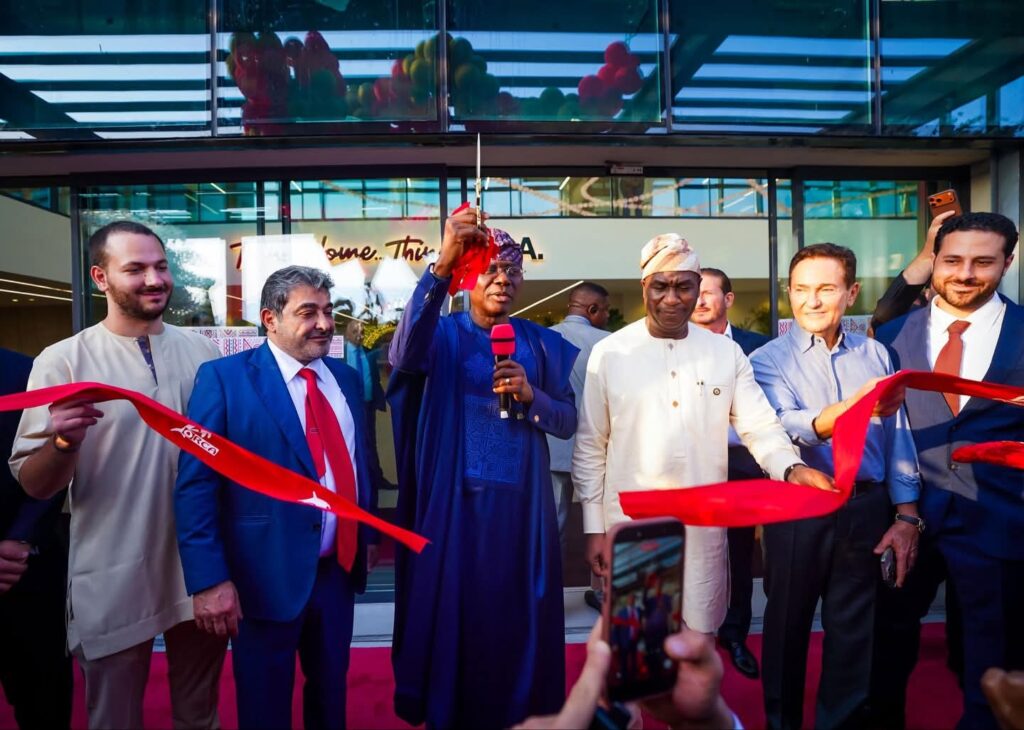

In Lagos, Governor Babajide Sanwo-Olu has officially launched the new Orca Mall located in the Business District of Eko Atlantic City, marking another major milestone in the ongoing transformation of the city’s emerging coastal metropolis. The mall, developed by private investors, is positioned as one of the most significant commercial additions to the fast-growing urban project that has been widely projected as the “city of the future.”
Speaking during the launch, Sanwo-Olu described the development as a reflection of the Lagos State Government’s vision to build an economically vibrant, globally competitive, and investor-friendly city. According to the governor, the mall is not merely a shopping complex but a representation of Lagos’ broader aspiration to attract large-scale investments, stimulate job growth, and create public spaces that residents can take pride in.
He stated that the government remains encouraged by the level of private-sector commitment to Lagos’ development. Projects like the Orca Mall, he noted, strengthen the state’s economy, boost investor confidence, and offer tangible opportunities for employment and commercial activity across various sectors. Sanwo-Olu added that the growth of Eko Atlantic demonstrates how urban planning, investment partnerships, and long-term infrastructure projects can shape a modern city.
Related News

Lagos Government Asked Landlord to Pay ₦400,000 to Unseal Her House Despite Having Complete Documents
A Lagos landlord shared a shocking experience after returning home to find her newly built house sealed by officials despite…

Lagos Ready for State Police, Says LNSA Chief Ifalade
Lagos State has declared its readiness for the establishment of state police in Nigeria, with the leadership of the Lagos…
Lagos State Holds Nigeria’s Largest Subnational Domestic Debt at ₦1.05 Trillion, Data Shows
New data from Nigeria’s Debt Management Office indicates that Lagos State holds the largest domestic debt among all states, standing…
The governor also emphasized the importance of developments that align with Lagos’ strategic vision for sustainable urban expansion. Eko Atlantic, built on reclaimed land from the Atlantic Ocean, has become a symbol of Lagos’ push toward resilience and modernization. The launch of the new mall, he said, contributes to the emerging identity of the district as a premium business and lifestyle destination.
Public reactions to the launch reflected a mix of excitement and scrutiny. Several Lagos residents and commentators praised the new mall’s scale, noting that it could shift consumer traffic away from existing high-end stores in Victoria Island, many of which are known for significantly marked-up prices. Others described Eko Atlantic as a masterpiece of private development, emphasizing its long-term potential to redefine the city’s commercial landscape.
Some observers, however, questioned the role of government in a largely private-sector-driven development like Eko Atlantic City. They argued that while the mall and similar projects are funded by investors, the state’s involvement should extend beyond ceremonial launches to ensuring regulatory clarity, equitable development, and infrastructure accessibility. Supporters countered that government participation is essential for boosting investor confidence and encouraging foreign direct investment, especially in an economic environment where public-private partnerships have become central to Lagos’ development model.
There were also broader social reflections. A few commentators highlighted contradictions between the gleaming infrastructure of Eko Atlantic and ongoing urban challenges in other parts of Lagos, particularly issues relating to housing, demolitions, and community displacement. These discussions underscored the persistent debate about the balance between high-end development and inclusive growth.
Despite the mixed opinions, the new Orca Mall stands as a significant addition to Eko Atlantic and a symbol of the state’s evolving commercial identity. As it opens its doors to the public, attention now shifts to how the mall will integrate into the daily economic life of Lagosians, how businesses within it will price their goods, and what ripple effects it may generate for surrounding commercial zones.
The launch reinforces Lagos’ commitment to fostering an environment where private capital can thrive, while raising ongoing questions about accessibility, affordability, and the future structure of the city’s economic landscape.