Senegal Government Acquires 10% Stake in Dangote Cement Senegal
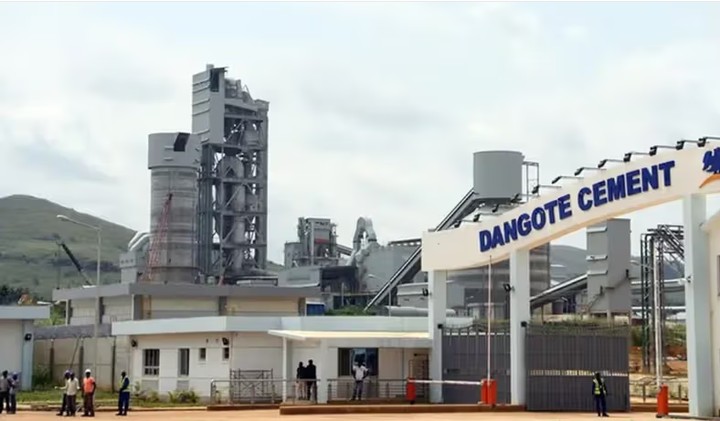

The government of Senegal has officially acquired a 10 percent equity stake in Dangote Cement Senegal, marking a significant move to increase state participation in one of the country’s key industrial assets. The development was disclosed in the 2025 annual report of Dangote Cement, one of Africa’s largest cement producers.
With the acquisition, the Senegalese government now becomes a minority shareholder in the company’s Senegal subsidiary. The deal reduced the parent company’s ownership stake from 99.99 percent to 89.99 percent, while the government now holds the remaining 10 percent equity.
Industry analysts say the move reflects a growing strategy among African governments to maintain a stake in critical industries while allowing the private sector to manage day-to-day operations. This approach helps governments benefit financially through dividends while also maintaining some influence over strategic sectors of the economy.
Revenue Decline Highlights Market Pressures
The government’s investment comes at a challenging time for the cement producer. According to the company’s financial disclosures, Dangote Cement Senegal experienced a significant decline in revenue in 2025.
The company reported that revenue dropped from about NGN192.2 billion (approximately $138.6 million) in 2024 to NGN151 billion in 2025. This represents a 21.4 percent decline in earnings over the period.
Analysts attribute the drop largely to weaker market demand and operational pressures affecting the cement industry in the region. Reduced construction activity and shifting market conditions in Senegal’s building materials sector also contributed to the downturn.
Sales volumes reflected a similar trend. Cement sales declined by about 19.8 percent, falling to roughly 1.2 million tonnes during the year. The decline signals softer demand in the construction sector, which is a key driver of cement consumption.
Strengthening Dangote’s West African Presence
Despite the revenue decline, the development is seen as a strategic move that could strengthen the company’s long-term presence in West Africa.
Related News

Apple Unveils MacBook Air M5 Using Fela Anikulapo Kuti’s “Let’s Start”
Tech giant Apple has unveiled its next-generation MacBook Air powered by the new M5 chip, with a campaign featuring Fela…

Dangote Elevates Daughters to Executive Leadership as Conglomerate Targets $100bn Valuation by 2030
African industrialist Aliko Dangote has appointed his three daughters to top executive roles across the Dangote Group, marking a major…

MTN Group Moves to Acquire IHS Towers in Landmark $6.2 Billion Telecom Infrastructure Deal
MTN Group has reached an agreement to acquire IHS Towers in a $6.2 billion all-cash transaction, marking one of the…
Aliko Dangote’s cement group has continued expanding its operations across the continent as part of a broader strategy to dominate Africa’s cement industry. The partnership with the Senegalese government could help reinforce the company’s position in the regional market while improving cooperation with local authorities.
Dangote Cement began operations in Senegal in 2015 and has since become a major contributor to the country’s industrial development. The company has created thousands of direct and indirect jobs for Senegalese workers across its manufacturing, logistics, and distribution operations.
Production Capacity and Regional Supply
The cement plant in Senegal currently has an installed production capacity of approximately 1.5 million tonnes per year. The facility supplies cement for domestic construction needs while also exporting excess production to neighbouring countries in West Africa.
Cement remains a critical component in infrastructure development, housing construction, and urban expansion. As a result, maintaining strong production capacity is vital for supporting Senegal’s growing economy.
Government Expands Role in Strategic Industries
For Senegal, acquiring a stake in the cement producer forms part of a broader strategy aimed at strengthening government participation in strategic sectors of the economy.
Cement production plays an essential role in national development, especially as Senegal continues to invest heavily in infrastructure projects, housing programs, and urban development.
By holding shares in Dangote Cement Senegal, the government will benefit from dividend earnings while also gaining a voice in important decisions related to the sector’s growth.
Economic experts say such partnerships between governments and private investors are becoming more common across Africa. They allow governments to share in the economic value generated by large industrial investments without directly managing the companies.
Cement Industry and Infrastructure Development
The cement industry is widely viewed as a cornerstone of Africa’s industrial growth. Rapid urbanization and large-scale infrastructure development across the continent continue to drive demand for building materials.
In Senegal, government infrastructure initiatives and urban expansion projects are expected to sustain long-term demand for cement, despite short-term market fluctuations.
With the new ownership structure in place, Senegal is expected to play a more active role in shaping the future of its cement sector while maintaining strong collaboration with private investors.
Analysts believe the partnership could help strengthen Senegal’s industrial capacity and support the country’s long-term infrastructure ambitions.