Senegal Revokes Offshore Oil Licence Held by Nigerian Energy Entrepreneur Arthur Eze
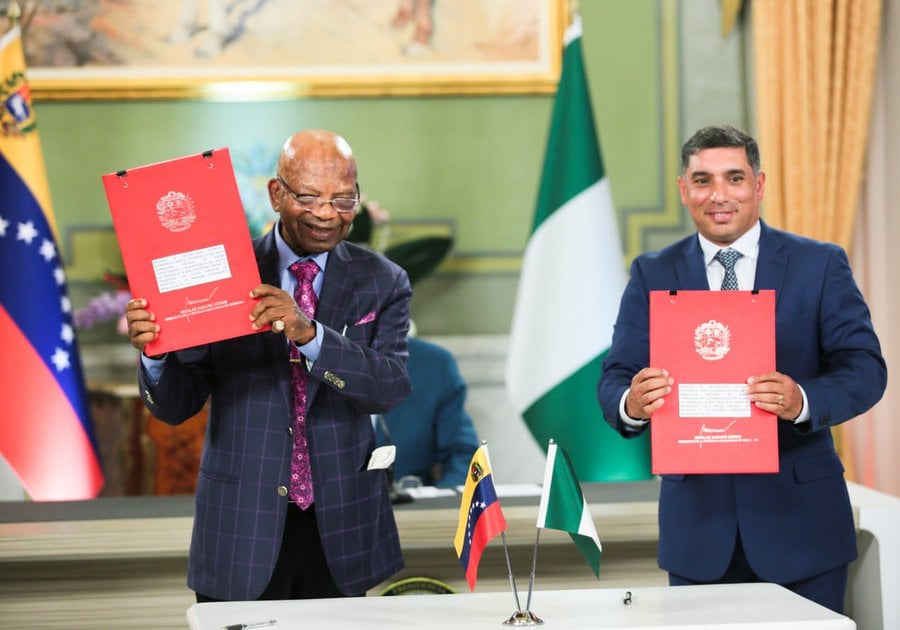

The Government of Senegal has revoked an offshore oil exploration licence held by Atlas Oranto Petroleum, a privately owned upstream oil and gas company founded by Nigerian energy entrepreneur Arthur Eze. The decision marks a significant step in Senegal’s evolving approach to petroleum governance, signalling a stronger push to enforce compliance and ensure that licensed acreage translates into tangible exploration and investment activity.
The revoked licence covers an offshore block of approximately 3,600 square kilometres located north of the Dakar peninsula. Industry sources describe the area as oil-prone but underexplored, with several potential hydrocarbon leads identified through seismic surveys. However, no exploration wells were drilled throughout the duration of the licence.
According to reports, the Ministry of Energy and Petroleum formally withdrew the exploration rights in September 2025 under the supervision of Minister Birame Souleye Diop. The decision was based on Atlas Oranto Petroleum’s repeated failure to meet key contractual, operational, and financial obligations tied to the licence. These included commitments related to exploration activity, financial guarantees, and work programme execution.
Industry accounts referenced in early 2026 indicate that the block saw minimal meaningful activity during the licence period, with limited seismic work and no progression to drilling. Senegalese officials said this lack of execution was sufficient grounds for revocation, particularly under the country’s renewed focus on ensuring active development of its hydrocarbon resources.
Related News
IEA Announces Record Release of 400 Million Barrels of Oil to Stabilize Markets Amid Iran War
The International Energy Agency (IEA) has announced the largest emergency oil release in its history, unlocking 400 million barrels from…

Petrol Price Could Reach ₦2,000 Per Litre If Middle East Conflict Persists – PETROAN
The Petroleum Products Retail Outlets Owners Association of Nigeria (PETROAN) has warned that petrol prices in Nigeria could surge to…
IPMAN Urges Federal Government to Cut Crude Oil Price for Dangote Refinery
The Independent Petroleum Marketers Association of Nigeria (IPMAN) has called on the Federal Government to reduce the cost of crude…
The move aligns with the broader policy direction of President Bassirou Diomaye Faye’s administration, which has prioritised transparency, accountability, and faster monetisation of Senegal’s oil and gas assets. By reclaiming control of the offshore block, the government aims to prevent long-term speculative holding of petroleum licences and open the acreage to operators with the financial capacity and technical readiness to move projects forward.
Senegal’s action also reflects a wider trend across Africa, where governments are increasingly reassessing legacy oil and gas contracts signed during earlier exploration cycles. With growing fiscal pressures and rising public expectations, many African producers are tightening regulatory oversight to ensure that petroleum rights lead to real investment, job creation, and eventual production, rather than being held as financial optionality.
The revocation has drawn renewed attention to Atlas Oranto Petroleum’s broader regional footprint. The company has historically maintained a wide presence across Africa, holding interests in several countries. However, its execution record has come under scrutiny in some jurisdictions, particularly regarding the pace of exploration and fulfilment of licence obligations.
In Liberia, for instance, developments in 2025 highlighted a contrasting regulatory approach. In September of that year, the Liberia Petroleum Regulatory Authority signed four production-sharing contracts with Atlas Oranto Petroleum International Ltd, covering offshore Blocks LB-15, LB-16, LB-22, and LB-24 in the Liberian Basin. The agreements reportedly included signature bonuses estimated between $12 million and $15 million, alongside proposed investments exceeding $200 million per block.
Those Liberian contracts, however, attracted criticism from lawmakers and civil society organisations. Groups such as the Economic Empowerment of Citizens Advocacy Forum called for the suspension of the agreements, raising concerns over transparency, environmental risks, and the company’s financial capacity to deliver on deep-water offshore projects. Critics also questioned the structuring of signature bonuses into instalment-based payments, arguing that such arrangements weaken enforcement and reduce incentives for early-stage exploration.
By contrast, Senegal’s decision to revoke the licence underscores a governance approach that prioritises delivery and performance over long-term promises. Officials emphasised that the absence of adequate guarantees and the failure to advance exploration activities left the government with little choice but to reclaim the block.
The reclaimed offshore acreage is expected to be re-evaluated and potentially offered to new operators under stricter screening criteria. Senegalese authorities have indicated that future licence awards will place greater emphasis on financial strength, technical capability, and a clear track record of execution.
While Atlas Oranto Petroleum has not publicly responded to the revocation at the time of reporting, the development highlights the changing dynamics of Africa’s oil and gas sector. As newer administrations adopt firmer regulatory positions, operators across the continent may face increasing pressure to demonstrate not just ambition, but the capacity to deliver timely and measurable results.