Three Years of Tinubu: Supporters Cite Economic Reforms, Infrastructure Push, and Social Programmes Amid National Debate
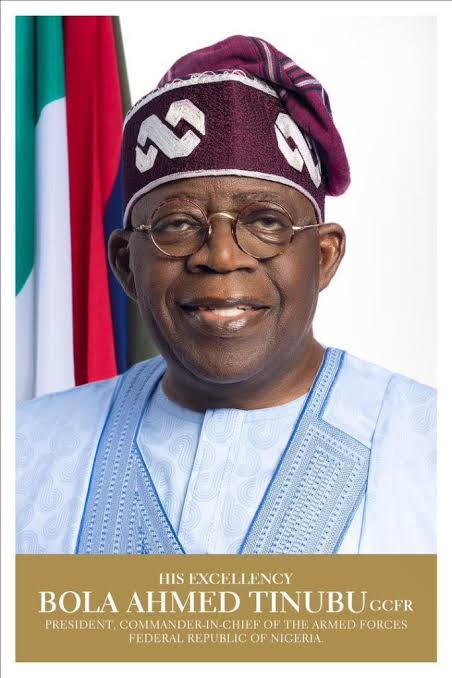

Three years into President Bola Ahmed Tinubu’s administration, debates over his performance continue to dominate Nigeria’s political space. Supporters of the president argue that his tenure has been defined by bold, sometimes painful reforms aimed at correcting long-standing structural weaknesses in the economy, while critics counter that the hardship experienced by many Nigerians overshadows policy intentions. At the centre of this debate is a growing list of achievements circulated by Tinubu’s defenders, who maintain that the administration’s actions should be judged through a long-term lens.
One of the most consequential decisions of the Tinubu presidency was the removal of petrol subsidies and the unification of foreign exchange rates. Advocates say these moves eliminated decades-old fiscal distortions that drained public finances and discouraged genuine investment. By allowing market forces to determine fuel pricing and exchange rates, the government argues it has created a more transparent economic environment capable of attracting both local and foreign investors, even if the immediate effects included higher costs of living.
On fiscal management, supporters point to a significant increase in government revenues, which reportedly rose to over ₦31.9 trillion in 2024, alongside a reduction in the fiscal deficit from 5.4 percent of GDP in 2023 to about 3.0 percent in 2024. They argue that these figures signal improved fiscal discipline and a reduced reliance on borrowing, which could ease the debt burden on future generations. In the same vein, Nigeria’s foreign reserves reportedly climbed sharply, strengthening the country’s buffers against external economic shocks.
Related News

DSS Tells Court Kaduna Man’s Tweets Could Drag Nigeria into Israel–Iran Conflict
Nigeria’s domestic intelligence agency, the Department of State Services (DSS), has told a court that social media posts allegedly made…

Nigeria Begins Evacuation of Citizens from Iran Amid Escalating Middle East Conflict
The Nigerian government has started evacuating its citizens from Iran as tensions in the Middle East intensify.

Nigeria Surpasses India in Number of People Living in Poverty – Report
New data shared by Statisense suggests that Nigeria now has a higher number of people living below the poverty line…
Trade and investment indicators are also frequently cited. Proponents highlight consecutive trade surpluses, growth in non-oil exports to nearly half of total exports, and a strong performance by the Nigerian stock market, which reportedly gained significantly in value. Improved credit ratings and increased foreign direct investment, particularly in the digital economy, are presented as evidence of renewed investor confidence in Nigeria’s economic direction.
Beyond macroeconomic indicators, the Tinubu administration has rolled out several social and human capital programmes. These include the launch of the Nigerian Education Loan Fund (NELFUND), which supporters say has enabled hundreds of thousands of students to access tertiary education, as well as grants and loans aimed at youth entrepreneurship and skills development. The introduction of a new national minimum wage is also framed as an attempt to improve workers’ purchasing power, even as inflation continues to pose challenges.
Education reforms have extended to renewed focus on out-of-school children and almajiri education, with the government approving new policies, establishing learning centres nationwide, and beginning the re-establishment of model almajiri schools. Backers argue these initiatives address deep-rooted social issues linked to poverty, insecurity, and youth vulnerability.
In infrastructure, the administration has embarked on major highway projects such as the Lagos–Calabar Coastal Road and the Sokoto–Badagry Superhighway, alongside investments in rail and port modernisation. The Electricity Act of 2023, which decentralised power generation and opened the sector to greater private participation, is also viewed by supporters as a critical step toward addressing Nigeria’s chronic power shortages.
Security and energy initiatives form another pillar of the administration’s defence. Government sources cite intensified military operations against insurgent groups, increased oil production, and the rollout of a compressed natural gas programme to reduce transportation costs. Social interventions, including cash transfers to vulnerable households and consumer credit schemes, are presented as measures to cushion economic shocks.
Symbolic actions, such as the re-adoption of the old national anthem and high-profile rewards for national sports teams, have also featured in public discussions, drawing both praise and criticism.
Ultimately, Tinubu’s three years in office have produced a deeply polarised assessment. Supporters argue the administration is laying difficult but necessary foundations for long-term growth and stability, while critics maintain that policy successes on paper have yet to meaningfully improve daily life for millions of Nigerians. As the debate continues, the true measure of these reforms may depend on whether promised long-term gains eventually translate into tangible relief for the broader population.