Tuggar Leads Nigerian Delegation to Burkina Faso as Talks Secure Release of Air Force Personnel
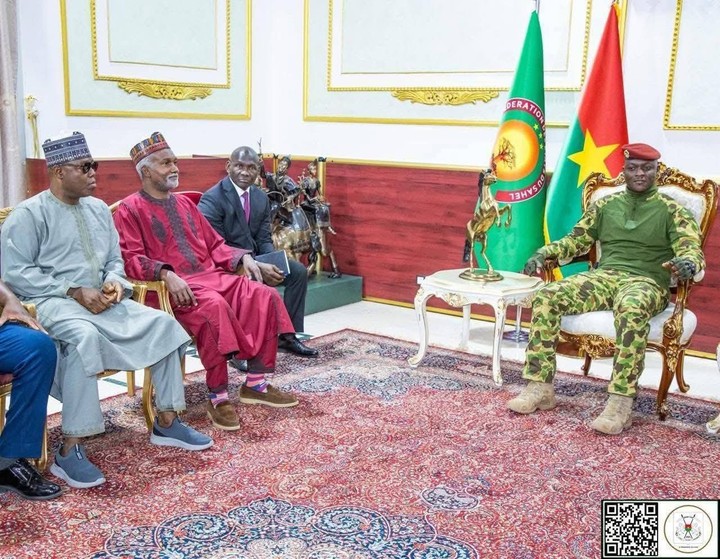

Nigeria has taken a major diplomatic step to resolve the detention of Nigerian Air Force personnel in Burkina Faso, as the Minister of Foreign Affairs, Ambassador Yusuf Maitama Tuggar, led a high-powered delegation to Ouagadougou on behalf of President Bola Ahmed Tinubu. The visit, which has been widely circulated through videos and photographs, underscores Nigeria’s preference for dialogue and diplomacy in handling sensitive regional security incidents.
According to official information released by the Ministry of Foreign Affairs, Ambassador Tuggar delivered a message of solidarity and goodwill from President Tinubu to Burkina Faso’s Head of State, Captain Ibrahim Traoré. The meeting formed part of broader efforts to reaffirm longstanding ties between Nigeria and Burkina Faso while addressing recent developments that had raised diplomatic and public concern in both countries.
Discussions between the two sides focused on strengthening political, security, and economic cooperation, particularly in light of growing security challenges across the Sahel and wider West African sub-region. Both countries acknowledged the need for sustained collaboration in tackling terrorism, cross-border crime, and regional instability, while emphasizing the importance of mutual respect for sovereignty and international protocols.
Related News

DSS Tells Court Kaduna Man’s Tweets Could Drag Nigeria into Israel–Iran Conflict
Nigeria’s domestic intelligence agency, the Department of State Services (DSS), has told a court that social media posts allegedly made…
Nigeria Begins Evacuation of Citizens from Iran Amid Escalating Middle East Conflict
The Nigerian government has started evacuating its citizens from Iran as tensions in the Middle East intensify.

Nigeria Surpasses India in Number of People Living in Poverty – Report
New data shared by Statisense suggests that Nigeria now has a higher number of people living below the poverty line…
A key outcome of the talks was the amicable resolution of issues surrounding Nigerian Air Force pilots and crew members who had been detained following an incident involving a Nigerian military aircraft. Officials noted that dialogue and diplomatic engagement proved effective in resolving the matter, reinforcing confidence between both governments and preventing further escalation.
President Ibrahim Traoré welcomed the Nigerian delegation and expressed appreciation to President Tinubu for the gesture of engagement and reassurance. He highlighted the historical relationship between both nations and stressed the importance of closer cooperation, particularly in addressing shared development and security concerns affecting landlocked and coastal states alike within West Africa.
Ambassador Tuggar, in his remarks, reaffirmed Nigeria’s commitment to good neighbourliness and peaceful coexistence. He emphasized that Nigeria remains supportive of initiatives aimed at fostering regional integration, peace, and economic development, even amid political differences within the sub-region. The foreign minister reiterated President Tinubu’s readiness to work closely with Burkina Faso in advancing collective stability and mutual trust.
Beyond high-level talks, the Nigerian delegation also met with the detained Air Force personnel, who were reported to be in good spirits. Images released showed the delegation alongside members of the C-130 aircraft crew and other passengers, a development that reassured Nigerians concerned about the welfare of the personnel involved.
Members of the delegation included Ambassador Mohammed Mohammed, Director-General of the National Intelligence Agency; Air Vice Marshal A. Y. Abdullahi, Chief of Policy and Plans at the Nigerian Air Force; Ambassador Olawale Emmanuel Awe, Nigeria’s Permanent Representative to ECOWAS; and Ambassador Wahab Akande, Chief of Protocol at the Ministry of Foreign Affairs. Their presence highlighted the seriousness with which Nigeria approached the matter, combining diplomatic, intelligence, and military expertise.
The visit has generated widespread reactions across social and political circles, with many observers viewing it as a demonstration of Nigeria’s commitment to diplomatic solutions over confrontation. Analysts note that at a time of heightened sensitivities in West Africa, especially following recent coups and shifting alliances, Nigeria’s approach signals a desire to maintain regional stability and avoid unnecessary conflict.
Both Nigeria and Burkina Faso agreed to sustain regular consultations and pursue practical measures to deepen bilateral cooperation. The outcome reflects a shared resolve to promote peace, unity, and stability across the sub-region, while reinforcing the role of diplomacy as a critical tool in managing complex security and political challenges.