Two Inmates Killed, Others Injured After Transformer Explosion at Akwa Ibom Custodial Centre
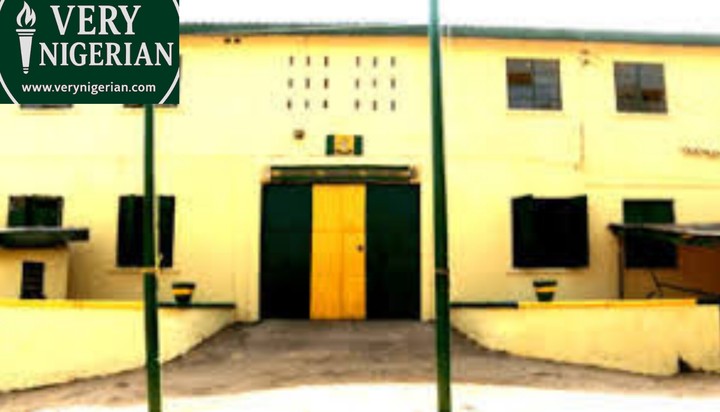

A transformer explosion at the Akwa Ibom State Custodial Centre in Uyo has resulted in the deaths of two inmates awaiting trial and left others injured, according to officials of the Nigerian Correctional Service. The incident occurred about two weeks ago but was formally confirmed on Thursday by the State Controller of Corrections, Frank Okonkwo.
Reports indicate that the explosion originated from a faulty transformer located close to the custodial facility. A high-voltage cable reportedly snapped and fell directly on a section of the centre, causing a sudden surge that led to the electrocution of the inmates. The blast also triggered a blackout within the facility and damaged several electrical appliances.
Okonkwo described the accident as tragic and regrettable, noting that the victims were seated in one of the facility’s areas when the surge hit. They were immediately attended to by medical personnel at the custodial centre and later rushed to the University of Uyo Teaching Hospital, where doctors pronounced them dead.
He explained that both inmates were being held for offences including conspiracy, kidnapping, and armed robbery. However, he emphasized that they remained innocent in the eyes of the law until proven otherwise by a competent court. Families of the deceased have been contacted, with one already completing procedures for the release of the body. The correctional service stated that the corpses would only be released after investigations are finalized.
Related News

DSS Tells Court Kaduna Man’s Tweets Could Drag Nigeria into Israel–Iran Conflict
Nigeria’s domestic intelligence agency, the Department of State Services (DSS), has told a court that social media posts allegedly made…
Nigeria Begins Evacuation of Citizens from Iran Amid Escalating Middle East Conflict
The Nigerian government has started evacuating its citizens from Iran as tensions in the Middle East intensify.

Nigeria Surpasses India in Number of People Living in Poverty – Report
New data shared by Statisense suggests that Nigeria now has a higher number of people living below the poverty line…
The controller noted that the transformer involved in the incident had a history of faults. He recalled that a similar issue occurred a few years earlier, raising concerns about the long-term structural safety of the electrical system surrounding the centre. Officials from the Port Harcourt Electricity Distribution Company (PHEDC) reportedly visited the site and attributed the explosion to excessive voltage.
Okonkwo stated that the blast destroyed electrical appliances, computers, and equipment within the centre. Residential quarters belonging to officers and the official home of the officer in charge were also affected. He stressed that beyond the infrastructural damage, the loss of the inmates—who were still undergoing trial—was the most distressing outcome.
The legal department of the correctional command has begun an investigation to determine the exact cause of the incident and recommend preventive measures. Authorities say they will issue a comprehensive report once the probe is complete.
In response to broader concerns over inmate welfare and reintegration, Okonkwo revealed that the command is preparing a rehabilitation and empowerment initiative for inmates nearing discharge. About 30 individuals are expected to benefit initially, depending on available funding from donors and partner organizations. Beneficiaries will include inmates trained in trades such as tailoring, carpentry, barbing, and welding. The programme aims to support their transition back into society and reduce the risk of reoffending.
He explained that eligible participants would be selected from custodial centres in Uyo, Ikot Abasi, Ikot Ekpene, and Eket. The initiative targets those who are completing their sentences between now and December and who have demonstrated active participation in rehabilitation programmes.
The Uyo Custodial Centre, a medium-security facility under the Nigerian Correctional Service, has long faced infrastructural challenges. These include poor power supply, ageing equipment, and overcrowding—issues that observers say increase safety risks for both staff and inmates. The transformer explosion has renewed calls for urgent upgrades across Nigeria’s correctional infrastructure to prevent similar tragedies.
Public reactions have been mixed, with many expressing sadness over the deaths and frustration over the country’s slow justice system. Some commentators argue that delays in court processes contribute to unnecessary suffering among awaiting-trial inmates. Others have called for compensation for the affected families and accountability regarding the management of electrical infrastructure around the facility.