US Commends NAF Ahead of AH-1Z Helicopter Delivery
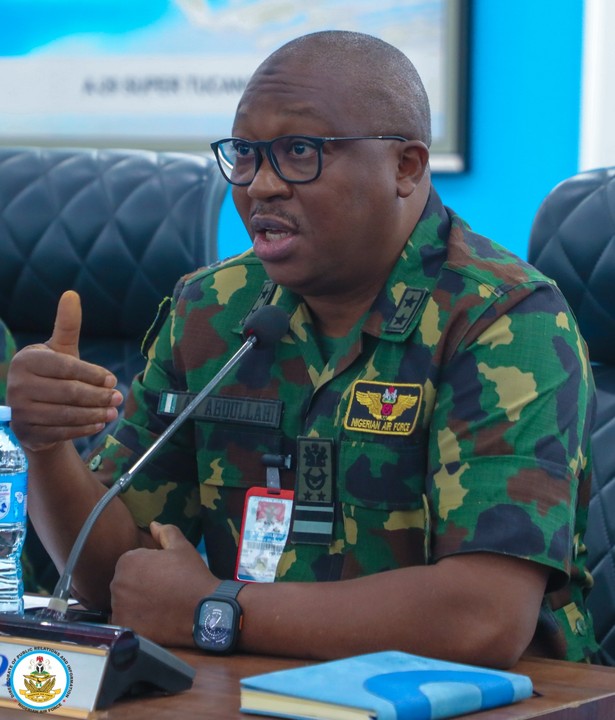

The Nigerian Air Force (NAF) has received commendation from the United States Government for its level of preparedness ahead of the planned delivery of AH-1Z attack helicopters to Nigeria.
The recognition was conveyed during a three-day high-level engagement in Abuja between a United States delegation from PMA-276, led by Robert Galan, and senior NAF officials at the Air Force Headquarters. Discussions centered on a comprehensive Programme and Support Plan designed to ensure seamless integration, sustainment, and operational effectiveness of the incoming helicopter fleet.
The AH-1Z Viper, manufactured by Bell Textron, is a twin-engine attack helicopter used by the United States Marine Corps and allied forces. The platform is known for precision strike capabilities, advanced targeting systems, and improved survivability features suited for modern combat environments.
Representing the Chief of the Air Staff, Air Marshal Hasan Bala Abubakar, at the meeting was Air Vice Marshal Abubakar Abdullahi, Chief of Policy and Plans. He reaffirmed the service’s commitment to aligning operational, technical, and logistical frameworks to guarantee immediate readiness once the aircraft are delivered.
According to NAF officials, designated facilities intended to host the helicopters have undergone preparation to meet required operational standards. Infrastructure upgrades, personnel training programmes, and logistics planning were highlighted as critical components of the integration process.
Related News

DSS Tells Court Kaduna Man’s Tweets Could Drag Nigeria into Israel–Iran Conflict
Nigeria’s domestic intelligence agency, the Department of State Services (DSS), has told a court that social media posts allegedly made…
Nigeria Begins Evacuation of Citizens from Iran Amid Escalating Middle East Conflict
The Nigerian government has started evacuating its citizens from Iran as tensions in the Middle East intensify.

Nigeria Surpasses India in Number of People Living in Poverty – Report
New data shared by Statisense suggests that Nigeria now has a higher number of people living below the poverty line…
The engagement reflects ongoing defence cooperation between Nigeria and the United States, particularly in the area of capacity building and counterinsurgency operations. Over the past decade, Nigeria has sought to modernize its air capabilities in response to evolving security threats, including insurgency and banditry.
Security analysts note that the acquisition of the AH-1Z helicopters marks another step in Nigeria’s broader airpower modernization drive. The Nigerian Air Force previously inducted A-29 Super Tucano aircraft into its fleet as part of enhanced counterinsurgency operations.
The path to acquiring advanced US-origin military platforms has historically involved complex negotiations shaped by legislative and human rights considerations under American law. In earlier years, proposed arms transfers to Nigeria were affected by provisions of the Leahy Law, which restricts US security assistance to foreign military units implicated in human rights violations.
Despite those challenges, bilateral defence engagement has continued to expand, with recent agreements emphasizing transparency, end-use monitoring, and operational accountability. Analysts suggest that the latest commendation signals confidence in Nigeria’s compliance with agreed standards tied to the helicopter programme.
Public reaction to the development has been mixed. Supporters view the acquisition as a necessary step toward strengthening Nigeria’s ability to confront armed groups and protect territorial integrity. Critics, however, stress that hardware procurement alone cannot resolve security challenges without broader reforms in intelligence coordination, training, and civil-military relations.
Defence experts also emphasize the importance of maintenance culture and operational discipline to ensure that newly acquired platforms remain mission-ready over time. Sustainment packages, spare parts supply chains, and continuous pilot training are expected to form part of the long-term support framework.
The Nigerian Air Force has stated that the collaboration extends beyond equipment acquisition to institutional capacity development. Officials say the modernization effort is aligned with national security objectives and designed to reinforce Nigeria’s overall defence architecture.
As delivery timelines approach, attention will shift to final integration phases and operational deployment planning. The advancement of the AH-1Z programme underscores a continuing partnership between Abuja and Washington anchored on shared security interests and strategic cooperation.