Wike Sacks FCT-IRS Acting Chairman Michael Ango Amid Leadership Shake-Up in Revenue Agency
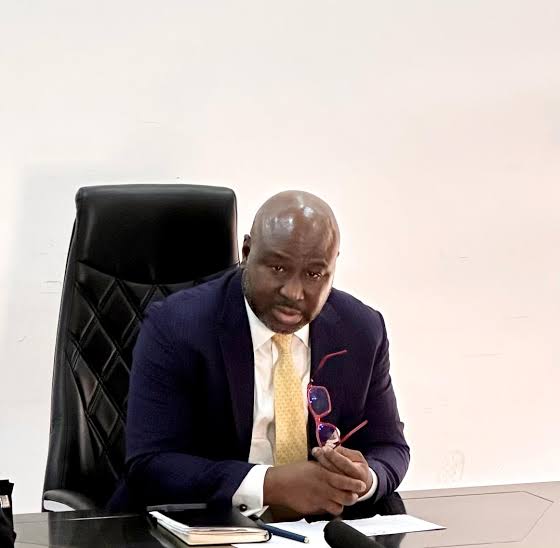

The Minister of the Federal Capital Territory (FCT), Nyesom Wike, has removed Michael Ango from his position as the Acting Executive Chairman of the Federal Capital Territory Internal Revenue Service (FCT-IRS). The announcement was contained in an official statement issued on Friday by Lere Olayinka, the Minister’s Senior Special Assistant on Public Communication and Social Media.
According to the statement, Ango’s removal takes immediate effect, and the most senior official within the FCT-IRS has been instructed to take over the agency’s operations without delay. The press release did not disclose specific reasons behind Ango’s dismissal, but the decision instantly stirred wide-ranging public reactions.
The short but firm statement emphasized administrative continuity, with Olayinka reiterating that the transition in leadership should be seamless. The FCT-IRS is responsible for tax collection, revenue mobilization, and financial oversight within Nigeria’s capital territory, making the position of Chairman central to the government’s fiscal strategy.
As expected, the news spread quickly across public forums and social media, drawing mixed reactions from Nigerians. Some praised Wike for taking decisive action, arguing that leadership changes in revenue agencies often signal attempts to improve efficiency, transparency, or accountability. Others questioned the motives behind the sudden dismissal, suggesting it may be politically driven or connected to internal disagreements within the FCT administration.
Related News

DSS Tells Court Kaduna Man’s Tweets Could Drag Nigeria into Israel–Iran Conflict
Nigeria’s domestic intelligence agency, the Department of State Services (DSS), has told a court that social media posts allegedly made…

Nigeria Begins Evacuation of Citizens from Iran Amid Escalating Middle East Conflict
The Nigerian government has started evacuating its citizens from Iran as tensions in the Middle East intensify.

Nigeria Surpasses India in Number of People Living in Poverty – Report
New data shared by Statisense suggests that Nigeria now has a higher number of people living below the poverty line…
Several commentators speculated that the decision could be tied to revenue performance. One user argued that Wike may have felt the FCT-IRS was underperforming relative to expectations, especially given his outspoken emphasis on aggressive revenue generation since assuming office. Others hinted at the possibility of internal disputes or misalignment between Ango and the Minister’s policy direction.
Not everyone viewed the action as reform-focused. Critics accused Wike of pursuing media visibility and consolidating power. They argued that his recent pattern of dismissals and administrative interventions reflects a desire to assert dominance rather than strengthen governance. Some users went further, alleging that Wike’s style of leadership prioritizes control over collaboration, with one commenter claiming the Minister is eager “to be in the news and be seen as still powerful.”
The online conversation also revealed tensions across regional and political lines. Some commenters introduced ethnic interpretations, suggesting that leadership choices in revenue agencies increasingly reflect wider political battles between northern and southern interests. Others dismissed such narratives as baseless distractions, insisting that the real issue should be transparency regarding why Ango was removed.
A recurring theme in many responses was curiosity — even frustration — about the lack of details in the official announcement. Several individuals argued that the absence of an explanation has left room for speculation and misinformation, calling for greater clarity on the performance indicators or circumstances that triggered the dismissal.
Amid the heated discussions, a few commenters attempted to strike a balanced tone, noting that leadership transitions in public institutions are normal and often necessary. They argued that without clear evidence of wrongdoing or ulterior motives, it is reasonable to assume the Minister acted in alignment with administrative prerogatives meant to ensure the efficient functioning of the revenue system.
Others took a more humorous or sarcastic tone, joking about Wike’s reputation for impulsive or forceful decision-making. Some predicted that Ango would soon reveal more details about the circumstances of his removal, while others expressed sympathy, saying it is never easy to lose such a significant role, especially without public disclosure of the reasons.
As the FCT-IRS moves on under new interim leadership, the public remains divided over the significance of the decision. Whether the move signals broader reforms within the FCT’s revenue system or reflects deeper political undercurrents remains to be seen. What is clear, however, is that the dismissal of Michael Ango has reignited debates about governance, transparency, and political power dynamics within Nigeria’s capital territory.