Shehu Dikko Denies Claims That $1.2 Million Was Collected for Kebbi Stadium Project
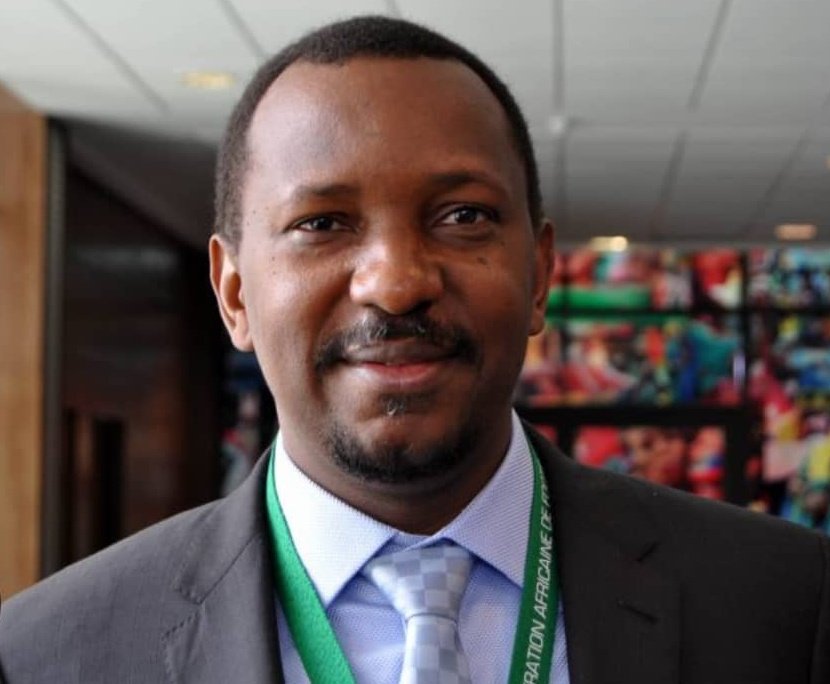

Chairman of the National Sports Commission, Shehu Dikko, has firmly denied allegations that officials of the Nigeria Football Federation (NFF) or the commission received $1.2 million from the Fédération Internationale de Football Association (FIFA) for the construction of a stadium in Kebbi State.
Dikko made this clarification during an interview on Politics Today, a Channels Television program monitored by Daily Post, in response to public outrage following accusations made by former Super Eagles coach Sunday Oliseh.
Oliseh had claimed that officials of the NFF misappropriated funds allocated by FIFA for the Kebbi stadium project, alleging that a sum of $1 million was “pocketed.” The allegation sparked widespread criticism of Nigeria’s football administration, reviving long-standing concerns over accountability in sports funding.
FIFA Directly Handles the Project, Says Dikko
Responding to the allegations, Dikko dismissed the claims as misleading, explaining that FIFA independently manages all financial and technical aspects of its infrastructure support projects.
According to him, the NFF’s role in such projects is limited to providing land and communicating local needs, while FIFA retains full control of procurement, consultancy, and payment processes.
“Nobody collected the $1.2 million for the Kebbi stadium because FIFA manages the project directly,” Dikko said.
“It’s FIFA that appoints the consultant, the contractor, and pays the contractors directly. The NFF’s job is simply to provide the land and indicate the project’s needs.”
Dikko further clarified that the stadium project in Kebbi is part of FIFA’s broader development assistance program aimed at improving football infrastructure across member associations. The global body, he said, follows strict international standards and transparency mechanisms in funding projects, leaving little room for local interference.
Public Reactions and Growing Skepticism
Despite Dikko’s clarification, the controversy has continued to spark debate among Nigerians, particularly on social media platforms. Many users questioned how a FIFA-funded project could result in a stadium that appeared substandard compared to similar projects in other African nations.
Related News
Henry Seriake Dickson Defects from PDP to Newly Formed Nigeria Democratic Congress
Senator Henry Seriake Dickson has formally defected from the Peoples Democratic Party (PDP) to the newly registered Nigeria Democratic Congress…

Hon. Sarah Ivie Adidi Receives “Her Excellence Award” During International Women’s Day Event in Abuja
Reps aspirant Sarah Ivie Adidi has been honoured with the 2026 “Her Excellence Award” during an event marking International Women’s…
Governor Peter Mbah Urges Ndigbo to Return to Strategic Politics
Peter Mbah, Governor of Enugu State, has urged the Igbo political class to return to what he described as “strategic…
One user commented:
“Why will FIFA supervise and build a standard stadium in Kenya, but only manage to construct a grass field in Nigeria?”
Another wrote:
“We’ve heard these denials before. Nigerians deserve a full audit and photographic evidence of what $1.2 million produced.”
While some defended Dikko’s statement, noting that $1.2 million may not be sufficient to construct a large stadium, others argued that even modest funds should produce visibly higher standards if managed transparently.
Historical Context and Trust Deficit
Public distrust toward Nigeria’s sports institutions runs deep. Over the years, controversies involving alleged mismanagement of FIFA grants, unpaid players’ bonuses, and inflated project costs have eroded confidence in football governance.
Some commentators drew parallels with past scandals involving Nigerian officials at FIFA, citing the case of Amos Adamu, who was banned from football-related activities over bribery allegations during the Sepp Blatter administration.
Observers also note that FIFA itself has not been immune to corruption accusations, with multiple officials sanctioned in previous years for bribery and financial misconduct.
Calls for Transparency and Independent Review
Sports analysts have urged the NFF and the National Sports Commission to publish detailed project documents, including contracts, budgets, and progress reports, to restore public trust.
“If FIFA truly handled everything, then there should be verifiable records of the contractor, project scope, and completion status,” one analyst said.
Others suggested that both FIFA and the NFF provide photographic and financial evidence of the Kebbi facility to put the matter to rest.
Conclusion
While Shehu Dikko insists that no funds were misappropriated and that FIFA directly oversees the Kebbi stadium project, public skepticism remains strong. Many Nigerians believe that without transparency and third-party verification, confidence in sports administration will continue to decline.