APC Chieftain Umar Moriki Killed by Bandits in Zamfara
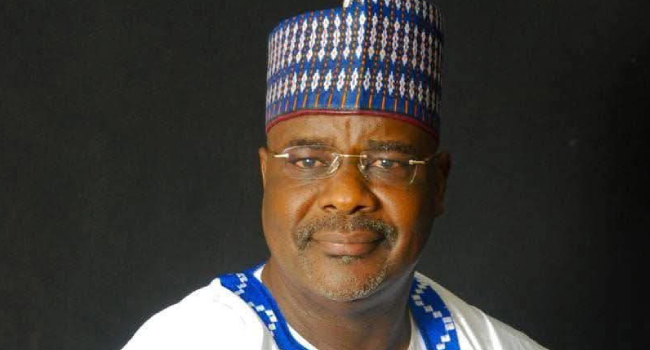

A senior member of the All Progressives Congress (APC) in Zamfara State, Umar Moriki, was killed on Saturday morning in what authorities have described as a targeted attack by suspected bandits. The incident occurred along the increasingly dangerous Gusau–Tsafe highway, near Fegi village, while Moriki was traveling from the state capital, Gusau, to Kaduna. His death adds to the growing list of political figures and civilians who have fallen victim to the spiraling insecurity gripping the northwest.
According to the Zamfara State chapter of the APC, Moriki had only recently participated in a high-level stakeholders’ meeting hosted by the Minister of State for Defence, Bello Matawalle. The meeting reportedly focused on party strategy and the security challenges in the state—ironically, the very issue that would claim his life just hours later.
The APC described his killing as a profound loss to both the party and the people of Zamfara. In a statement issued by the party’s spokesperson, Yusuf Idris, the leadership expressed shock and grief, highlighting Moriki’s long record of political service and community involvement. Idris noted that Moriki had “devoted his life to public service, leadership, and humanitarian engagement,” and emphasized the party’s frustration over the persistent security breakdown in the region.
Related News

Gunmen Attack ADC Leaders in Benin as Obi, Oyegun Allege Assassination Attempt
Tension rose in Benin City after gunmen attacked the African Democratic Congress (ADC) secretariat and the residence of former Edo…

NDLEA Arrests Lekki Real Estate Executive Kolapo Oladapo Over Alleged Drug Distribution Network
The National Drug Law Enforcement Agency has arrested Lekki-based real estate executive Kolapo Oladapo following the recovery of 89.2 kilograms…

Rising Phone Thefts and Scams Spark Fear at Lagos’ Ikeja Computer Village
Nigeria’s largest technology market, Ikeja Computer Village, is facing growing concerns over rising phone theft and scam activities.
Throughout his political career, Moriki held several significant roles. He served as Vice Chairman of Zurmi Local Government Area, Director-General of a state agency, and Special Adviser on Rural Electrification. He was also a candidate for the Zurmi/Shinkafi House of Representatives seat in the 2023 elections. His associates describe him as a dedicated administrator, a mobilizer, and a respected community figure who maintained strong ties across various local political blocs.
Moriki, who was 62 at the time of his death, leaves behind three wives and several children.
The reaction across social platforms reflected a familiar mix of anger, frustration, resignation, and political blame. Some commenters argued that the insecurity plaguing the northwest was a direct consequence of years of mismanagement, political complicity, and the emboldening of armed groups. Others expressed cynicism, labeling banditry as a “monster created and nurtured” by political elites. A few voices called for stronger federal intervention, while others insisted that leaders in the region must confront the roots of the crisis.
The Gusau–Tsafe axis, where Moriki was killed, has been a notorious hotspot for kidnappings, ambushes, and bandit attacks. Despite repeated military operations, security deployments, and government promises, violent incidents continue to rise. Residents and travelers in the area routinely report being extorted, abducted, or attacked, with many now avoiding the route entirely.
The incident has once again intensified calls for a more decisive and coordinated response to the region’s security challenges. Analysts warn that unless the government addresses both the armed groups and the political-economic ecosystem that sustains them, violence will continue to escalate, destabilizing not only Zamfara but the wider northern region.
As investigations into Moriki’s killing begin, the broader question remains: how many more leaders, citizens, and communities must fall before Nigeria finds a sustainable solution to the banditry crisis?
Moriki’s death is a stark reminder that insecurity in the northwest has become an equal-opportunity threat—affecting villagers, commuters, politicians, and public officials alike. For many observers, the tragedy underscores the urgent need for a renewed national strategy to reclaim the region from armed criminality and restore a sense of safety to millions of residents.