How Enugu Is Benefiting From Federal–State Collaboration Under Tinubu Administration — Dan Nwomeh
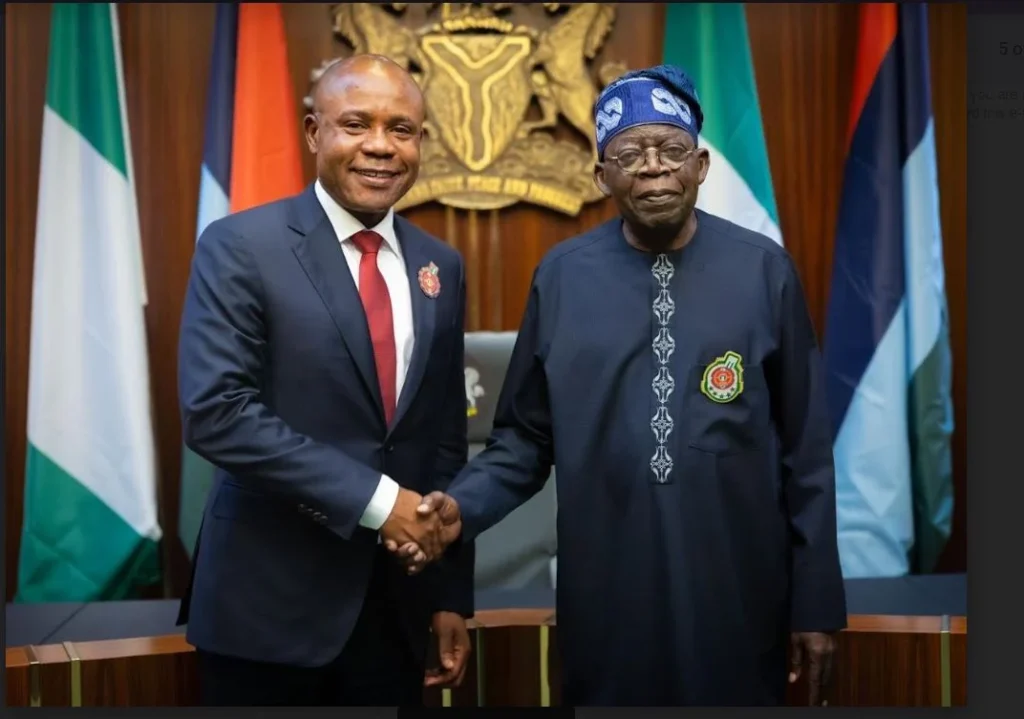

The Enugu State Government has highlighted a series of infrastructure developments it says are direct outcomes of constructive collaboration between Governor Peter Mbah and President Bola Ahmed Tinubu’s administration. In a public commentary, Dan Nwomeh, Senior Special Assistant to Governor Mbah, pointed to the completion of the Eke Obiangu Flyover in Emene as a prominent example of how alignment between state and federal authorities is translating into tangible benefits for residents.
According to Nwomeh, the Eke Obiangu Flyover was completed in record time following Governor Mbah’s decision to dualise the federal road stretching from the Airport Flyover through Emene to the Ebonyi State boundary. He explained that once the state government commenced the expansion of the road, President Tinubu approved federal funding for the construction of the flyover to complement the project and ease traffic congestion at one of Enugu’s busiest junctions.
The Eke Obiangu axis had for years been a major traffic bottleneck, particularly during peak hours, often causing long delays for commuters entering or exiting the city. With the completion of the flyover, Nwomeh said the area has been transformed into a smooth and uninterrupted route, significantly improving traffic flow and reducing travel time for motorists and commercial transport operators.
Related News
300-Bed Enugu International Hospital Approaches Completion Amid Public Reactions
Construction of the 300-bed Enugu International Hospital is nearing completion, with officials and residents expressing optimism that the facility will…

Anambra Government Seals Shops in Onitsha Markets Over Monday Closure, Commends Compliant Traders
The Anambra State Government has sealed several shops across markets in Onitsha and nearby communities after traders failed to open…
Governor Otti Commissions Key Infrastructure Projects in Abia, Announces New SSG Appointment
Abia State Governor Alex Otti has commissioned major road and bridge projects in Arochukwu Local Government Area, announcing new leadership…
Beyond the Emene flyover, Nwomeh listed several other federal infrastructure projects either ongoing or recently completed in Enugu State, which he attributed to the current federal–state cooperation. Among them is the Enugu–Onitsha Expressway, a major economic corridor linking Enugu to Anambra State, which is currently under construction. He also cited the Enugu–Port Harcourt Expressway, another critical route connecting the South-East to the South-South region, as an ongoing federal project receiving renewed attention.
Other projects highlighted include the completion of the New Artisan Twin Bridges, which form part of the Enugu–Port Harcourt Expressway infrastructure, as well as ongoing works on the Oji River–9th Mile–Opi Federal Highway. According to Nwomeh, these roads are essential for easing intercity movement, boosting trade, and improving access to Enugu from neighbouring states.
Additionally, the dualisation of the 9th Mile–Obollo Afor–Otukpo Road is currently underway, a project expected to enhance connectivity between Enugu State and parts of Benue State. The Abakpa/82 Division Flyover, another key urban infrastructure project within Enugu metropolis, has also commenced, further reinforcing the state’s push to modernise its road network.
Nwomeh praised President Tinubu and the Minister of Works, Engineer Dave Umahi, for what he described as an unprecedented level of federal infrastructure development in Enugu State. He argued that no previous administration had undertaken projects of similar scale and spread across the state, particularly in areas long considered overdue for major federal intervention.
He further described Enugu as holding symbolic and strategic importance as the headquarters of Ndigbo, noting that the scale of ongoing infrastructure projects reflects this recognition. According to him, the visible presence of federal investment in concrete structures, bridges, and highways demonstrates a renewed federal commitment to the South-East.
While public reactions to the claims have been mixed, with some commentators arguing that certain projects were initiated under previous administrations, others have acknowledged the visible progress and welcomed continued development in the region. The debate has also reignited broader discussions about the role of political collaboration, federal presence, and continuity in infrastructure development across administrations.
Nwomeh concluded by stressing that collaboration, rather than confrontation, remains key to unlocking development at the subnational level. He maintained that Enugu’s engagement with the federal government is already yielding results and expressed optimism that ongoing projects would further enhance mobility, economic growth, and quality of life for residents of the state.