Debate Grows Over Claims of Marginalisation as Article Reignites Discussion on Tinubu and the Muslim North
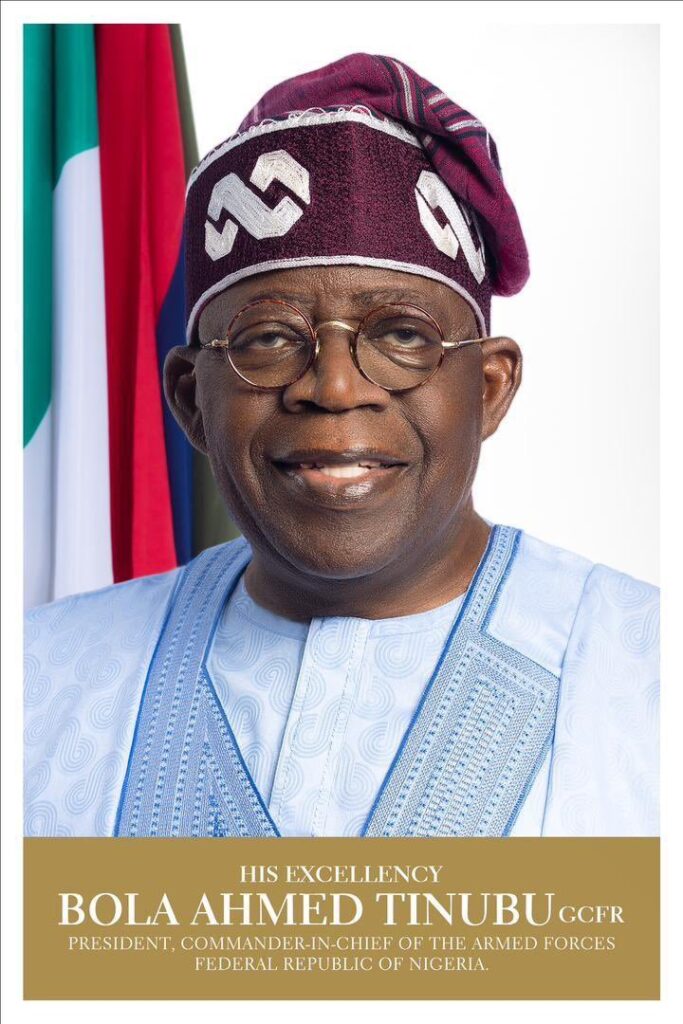

A fresh wave of political and social debate has emerged following the publication of an opinion article titled “Tinubu’s Silent War on the Muslim North, Revisited: New Questions, Familiar Patterns — or More Unfortunate Coincidences?” by Mohammed Bello Doka. The piece, shared widely on social media and political forums, revisits earlier claims that President Bola Ahmed Tinubu’s administration is systematically weakening the political, institutional, and security standing of Muslim leaders in Northern Nigeria.
In the article, the author describes facing intense backlash, including threats and calls for his arrest, after previously raising similar concerns. He frames his renewed intervention as an attempt to ask “difficult questions” that, in his view, remain unanswered by the federal government and its supporters. Central to his argument is whether a series of political developments represent intentional marginalisation or a sequence of unrelated events.
The article highlights what it describes as a pattern of power shifts away from Northern Muslim figures. Several high-profile changes are cited, including the exit of Abdullahi Umar Ganduje as national chairman of the All Progressives Congress (APC) and his replacement by a Northern Christian, as well as changes in electoral administration, defence leadership, and Senate security oversight. The author also references ongoing political discussions about the future of Vice President Kashim Shettima ahead of the 2027 elections.
According to the article, these changes raise questions about whether Northern Muslim political influence is gradually being eroded. The author argues that while individual appointments may be justified on their own, their cumulative direction warrants closer scrutiny.
Related News

Henry Seriake Dickson Defects from PDP to Newly Formed Nigeria Democratic Congress
Senator Henry Seriake Dickson has formally defected from the Peoples Democratic Party (PDP) to the newly registered Nigeria Democratic Congress…

DSS Tells Court Kaduna Man’s Tweets Could Drag Nigeria into Israel–Iran Conflict
Nigeria’s domestic intelligence agency, the Department of State Services (DSS), has told a court that social media posts allegedly made…

Nigeria Begins Evacuation of Citizens from Iran Amid Escalating Middle East Conflict
The Nigerian government has started evacuating its citizens from Iran as tensions in the Middle East intensify.
Beyond political appointments, the piece draws attention to media reports and investigations involving prominent Northern Muslim figures, including former military and political leaders. While acknowledging that these cases involve allegations rather than convictions, the author questions why similar accusations do not appear to receive the same level of public emphasis across other regions or groups.
The article further suggests that the pattern cuts across party lines, citing figures such as Nasir El-Rufai, Aminu Waziri Tambuwal, and others who have faced investigations or prolonged scrutiny without definitive judicial conclusions. It argues that prolonged exposure without closure creates political vulnerability and weakens regional leadership.
Another major theme of the article is the perceived relocation and consolidation of economic and regulatory institutions toward Lagos and the South-West. Agencies and departments linked to aviation, finance, ports, and maritime administration are mentioned as examples of what the author sees as a gradual shift of institutional power away from the North, with potential long-term economic consequences.
The author also juxtaposes these institutional changes with persistent insecurity in Northern Nigeria, including banditry and displacement, raising questions about whether political weakening and security challenges are interconnected. While no direct causal link is asserted, the article frames the overlap as worthy of national discussion.
In response, critics of the article have pushed back strongly. Some argue that the claims overlook the complex realities of governance, including merit-based appointments, security imperatives, and inherited structural challenges. Others note that President Tinubu himself is a Muslim and question the logic of framing his administration as hostile to Muslims as a group.
Additional commentators have described the article as politically motivated or reflective of broader dissatisfaction within sections of the northern political elite following shifts in power since 2023. They argue that previous administrations also made regionally skewed appointments without generating similar outrage, and that accountability efforts should not be framed solely through ethnic or religious lenses.
Despite the criticism, the article has succeeded in reopening a sensitive national conversation about inclusion, balance, and trust within Nigeria’s federal system. It underscores enduring anxieties about fairness in governance and highlights how perceptions—whether accurate or not—can shape political discourse.
As Nigeria approaches another electoral cycle, analysts say such debates are likely to intensify. Whether the developments cited represent deliberate policy, coincidence, or political contestation remains contested. What is clear, however, is that issues of representation, justice, and national cohesion continue to occupy a central place in Nigeria’s evolving political narrative.