DisCos Push Back Against Federal Government’s Free Electricity Meter Policy
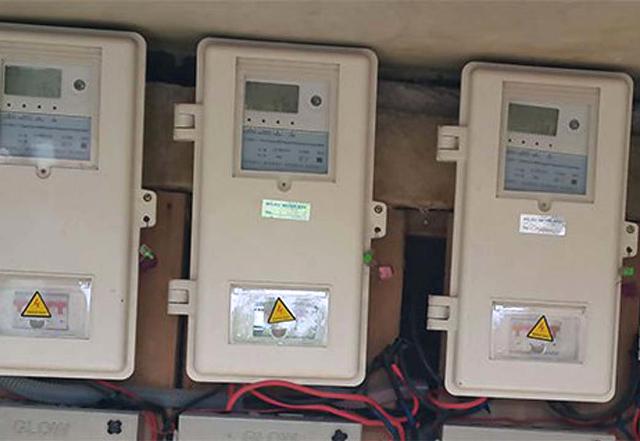

Electricity distribution companies (DisCos) across Nigeria have expressed reservations over the Federal Government’s recent directive ordering that prepaid electricity meters be provided and installed free of charge for all categories of electricity consumers. The directive, issued by the Minister of Power, Adebayo Adelabu, has drawn criticism from industry operators who argue that the announcement was made without adequate consultation and fails to address the issue of cost recovery within the power sector.
The Federal Government had, on Thursday, warned electricity distribution companies and meter installers against collecting any form of payment from customers for prepaid meters. Adelabu issued the warning during an inspection of newly imported smart meters at APM Terminals in Apapa, Lagos. The meters were procured under the World Bank–funded Distribution Sector Recovery Programme (DISREP), and the minister stressed that they must be installed at no cost to electricity consumers.
According to the minister, any DisCo official or installer found demanding payment before meter installation would be prosecuted. He emphasised that the free distribution of meters was intended to improve billing efficiency and revenue collection in the power sector, noting that the directive applied to all electricity consumers, irrespective of their service band.
However, operators within the distribution companies, who spoke anonymously due to the sensitivity of the issue, said the declaration overlooked the financial implications of metering and placed undue burden on DisCos. They argued that while the meters were being described as “free,” the cost would ultimately be transferred to the distribution companies over a repayment period reportedly spanning up to 10 years.
Related News
NISO Blames Gas Shortfall for Nationwide Drop in Electricity Supply
The Nigerian Independent System Operator says inadequate gas supply to thermal power plants has reduced national grid generation to about…
Ogun at 50: Review of Gbenga Daniel’s Electricity Reforms Revives Debate Over Missing Power Projects
As Ogun State marks its 50th anniversary, renewed attention has turned to former governor Gbenga Daniel’s ambitious electricity reforms, which…
FG Bans Meter Installation Charges, Threatens Sanctions Against DisCos and Installers
The Federal Government has banned electricity distribution companies and installers from collecting any fees for meter installation, warning that any…
According to the operators, requiring DisCos to absorb the cost of meters and installation without corresponding tariff adjustments would negatively affect their financial health. One official explained that such expenditure would ordinarily be classified as allowable capital expenditure and factored into tariff calculations. Without this provision, the operator warned, the balance sheets of distribution companies could become unsustainable.
Another major concern raised by the DisCos relates to meter installation costs. Industry sources noted that meter installers are not employees of the distribution companies, and therefore must be paid for their services. They questioned who would bear the cost of installation if consumers were barred from paying and DisCos were not directly responsible for installation under current regulatory arrangements.
Some operators pointed out that the responsibility for meter installation was removed from DisCos during the tenure of a former power minister, leaving metering largely in the hands of independent installers and Meter Asset Providers (MAPs). As a result, they argued that the current policy creates uncertainty for installers who now face questions over payment for their services.
DisCo officials also described the minister’s announcement as populist, arguing that it created unrealistic expectations among electricity consumers. They noted that the meters are being imported and deployed in batches, making it impossible to cover all electricity customers nationwide at once. Despite this, the operators said the government’s messaging had given the impression that enough meters were immediately available for everyone.
The directive has also raised concerns about the future of the Meter Asset Providers scheme, which allows customers who want immediate access to prepaid meters to purchase them directly and recoup the cost over time through energy credits. According to the DisCos, many customers are now rejecting the MAP option after hearing that meters are supposedly free for all, thereby threatening the viability of the scheme and local meter manufacturers.
Operators warned that the disruption of the MAP scheme could worsen the existing metering gap rather than resolve it, as the free meters being rolled out under government programmes are insufficient to meet nationwide demand. They urged the government to clarify which customer categories or locations are eligible for free meters, while allowing others to continue accessing meters through the MAP framework.
The DisCos further called on the government and electricity regulators to prioritise transparency and stakeholder engagement in policy formulation. They stressed that every initiative in the power sector must clearly define who bears the cost to prevent the accumulation of debt and inefficiencies.
As tensions rise, distribution companies say customers are already becoming agitated, citing the minister’s comments to demand immediate free meter installation. While operators acknowledged the need to protect consumers from exploitation, they insisted that sustainable solutions must balance affordability with cost recovery to ensure long-term stability in the power sector.