Kano Emirship Crisis Deepens as Gov Yusuf’s APC Alliance Reshapes Political Calculations
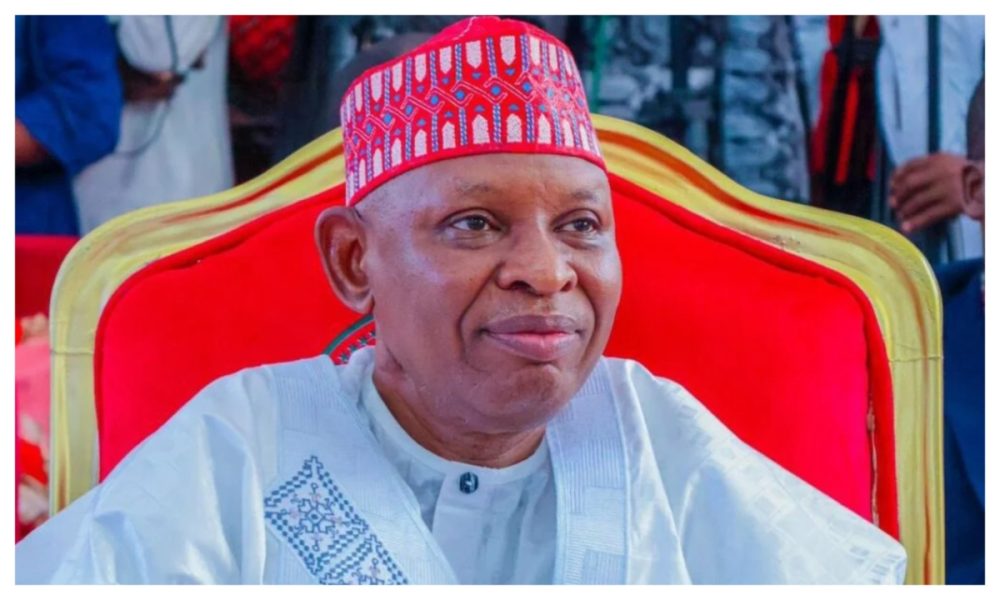

Governor Abba Kabir Yusuf’s recent defection to the All Progressives Congress (APC) has reignited debate around the unresolved Kano emirship crisis, a conflict that has divided political actors, traditional institutions, and public opinion in the state for nearly two years. The development has shifted alliances and recalibrated power dynamics, prompting renewed speculation about the future of the revered Kano Emirate.
Kano has remained locked in an unprecedented royal standoff since 2024, with two traditional rulers simultaneously laying claim to the same emirship. Emir Muhammadu Sanusi II currently operates from the historic Gidan Rumfa Palace, while Aminu Ado Bayero, recognised by his supporters as the 15th Emir of Kano, continues to reside at the Nassarawa mini-palace. Each emir enjoys the backing of different political forces, making the crisis as much a political contest as a traditional one.
The roots of the crisis stretch back to March 2020, when then-governor Abdullahi Umar Ganduje dethroned Emir Sanusi Lamido Sanusi, citing alleged acts of insubordination. Sanusi was subsequently replaced by Aminu Ado Bayero. While the official justification focused on governance and conduct, many observers viewed the move through a political lens, linking it to Sanusi’s perceived closeness to former Kano governor and political heavyweight, Senator Rabiu Musa Kwankwaso.
A dramatic reversal occurred in May 2024 following the election of Abba Kabir Yusuf under the New Nigeria Peoples Party (NNPP). Yusuf’s administration repealed the 2019 emirate law, dismantled the five emirates created under Ganduje, and restored the single-emir structure. This legislative action paved the way for the reinstatement of Sanusi as Emir of Kano. However, the decision triggered fresh litigation, with Bayero and his supporters challenging the process in court, effectively entrenching the crisis in the judicial system.
Related News

Henry Seriake Dickson Defects from PDP to Newly Formed Nigeria Democratic Congress
Senator Henry Seriake Dickson has formally defected from the Peoples Democratic Party (PDP) to the newly registered Nigeria Democratic Congress…

Hon. Sarah Ivie Adidi Receives “Her Excellence Award” During International Women’s Day Event in Abuja
Reps aspirant Sarah Ivie Adidi has been honoured with the 2026 “Her Excellence Award” during an event marking International Women’s…
Governor Peter Mbah Urges Ndigbo to Return to Strategic Politics
Peter Mbah, Governor of Enugu State, has urged the Igbo political class to return to what he described as “strategic…
Governor Yusuf’s defection to the APC has now altered the political equation. By aligning himself with the ruling party, Yusuf is perceived to be politically closer to figures such as Ganduje and Deputy Senate President Barau Jibrin, both of whom are widely believed to sympathise with the Bayero camp. The move also marked a significant rupture with Senator Kwankwaso, Yusuf’s former political benefactor and a key figure associated with Sanusi’s reinstatement.
This realignment has fuelled speculation that the emirship dispute could be revisited as part of internal reconciliation efforts within the APC. Hints of possible dialogue emerged after Kano State Commissioner for Information and Internal Affairs, Ibrahim Abdullahi Waiya, suggested that longstanding issues, including the emirship crisis, could be resolved through calm discussions rather than confrontation.
According to Waiya, the new political climate could open the door for apologies, forgiveness, and sacrifices in the interest of peace, comments that were widely interpreted as a signal that political negotiation might complement ongoing legal processes.
However, Governor Yusuf has sought to dampen speculation that his defection would lead to a reversal of Sanusi’s reinstatement. Speaking through his spokesman, Sanusi Bature, the governor stated unequivocally that there was no plan to remove Emir Sanusi from the throne. He maintained that the reinstatement followed due legal process after the repeal of the emirates law and insisted that the status quo would remain unchanged despite his new political alignment.
The Bayero camp, however, has rejected any suggestion of negotiated settlement outside the courts. Sarkin Dawakin Babba, Aminu Babban Dan Agundi, who initiated the legal challenge against the state government, insisted that only the judiciary has the authority to determine the matter. He urged all parties to await the Supreme Court’s final decision.
Legal experts note that while the matter is before the courts, settlement remains a legal possibility. Barrister Umar Usman Dan Baito of Northwest University, Kano, explained that Nigerian law permits Alternative Dispute Resolution at any stage of litigation, including cases before the Supreme Court, provided all parties agree and the court adopts the settlement.
As political interests continue to intersect with traditional authority, the Kano emirship crisis remains delicately balanced. Governor Yusuf’s defection to the APC may offer an avenue for consensus-building, but it has also intensified suspicion among rival camps. Whether the new political alignment will lead to resolution or further entrench the crisis now depends on how legal judgments, political negotiations, and traditional reconciliation efforts unfold in the coming weeks.