Ogun at 50: Review of Gbenga Daniel’s Electricity Reforms Revives Debate Over Missing Power Projects

As Ogun State celebrates 50 years since its creation, fresh discussions have emerged around one of its most ambitious infrastructure drives — the electricity reforms initiated during the administration of former governor Otunba Gbenga Daniel. While the reforms were once seen as a bold step toward energy independence for the state, lingering questions about the fate of key components of the project have reignited public debate.
In October 2010, Ogun State made history by becoming the first state in Nigeria to obtain an Electricity Distribution Licence from the Nigerian Electricity Regulatory Commission (NERC). The licence was issued to Gateway Electricity Limited, a public-private partnership between the Ogun State Government and i3M Power Systems Ltd. At the time, the move was widely regarded as a groundbreaking effort to reduce dependence on the national grid and establish a more stable power supply within the state.
The electricity distribution licence formed part of a broader energy masterplan that sought to reposition Ogun as a leader in independent power generation and distribution. Under the plan, the state secured three key approvals: generation, distribution, and an embedded generation licence for captive power plants. This made Ogun the only state in Nigeria at the time to obtain all three licences, enabling it to generate electricity independently, distribute it efficiently, and provide embedded power to essential public facilities.
Related News
NISO Blames Gas Shortfall for Nationwide Drop in Electricity Supply
The Nigerian Independent System Operator says inadequate gas supply to thermal power plants has reduced national grid generation to about…

300-Bed Enugu International Hospital Approaches Completion Amid Public Reactions
Construction of the 300-bed Enugu International Hospital is nearing completion, with officials and residents expressing optimism that the facility will…

Anambra Government Seals Shops in Onitsha Markets Over Monday Closure, Commends Compliant Traders
The Anambra State Government has sealed several shops across markets in Onitsha and nearby communities after traders failed to open…
The initiative was largely driven by a severe power crisis between 2005 and 2006, when Abeokuta reportedly experienced a prolonged blackout lasting about 10 days. The outage disrupted water treatment operations and exposed the vulnerability of relying solely on the national grid and diesel generators. In response, the state government developed a plan to establish multiple mini-power plants across urban and semi-urban areas.
A total of 23 mini-power plants were reportedly procured to support water schemes and public infrastructure. According to accounts of the project, international consultants were engaged to ensure proper planning and procurement. Government officials and lawmakers also conducted inspections of similar facilities in Kano and Ikorodu to verify their reliability.
The project included provisions for training local engineers and technicians to manage and maintain the plants. Some state civil servants reportedly received technical training abroad to ensure sustainability and local capacity for long-term operation. The mini-power plants were designed to run on various fuel sources including LPFO, gas, and diesel, with additional capacity intended to supply electricity to nearby communities and commercial centres.
One of the most prominent installations, a 7-megawatt plant at Oke-Mosan in Abeokuta, was successfully commissioned and has reportedly powered key government facilities, including the Governor’s Office and State Secretariat, since 2011. The functioning of this plant has often been cited as evidence that the broader project was technically viable.
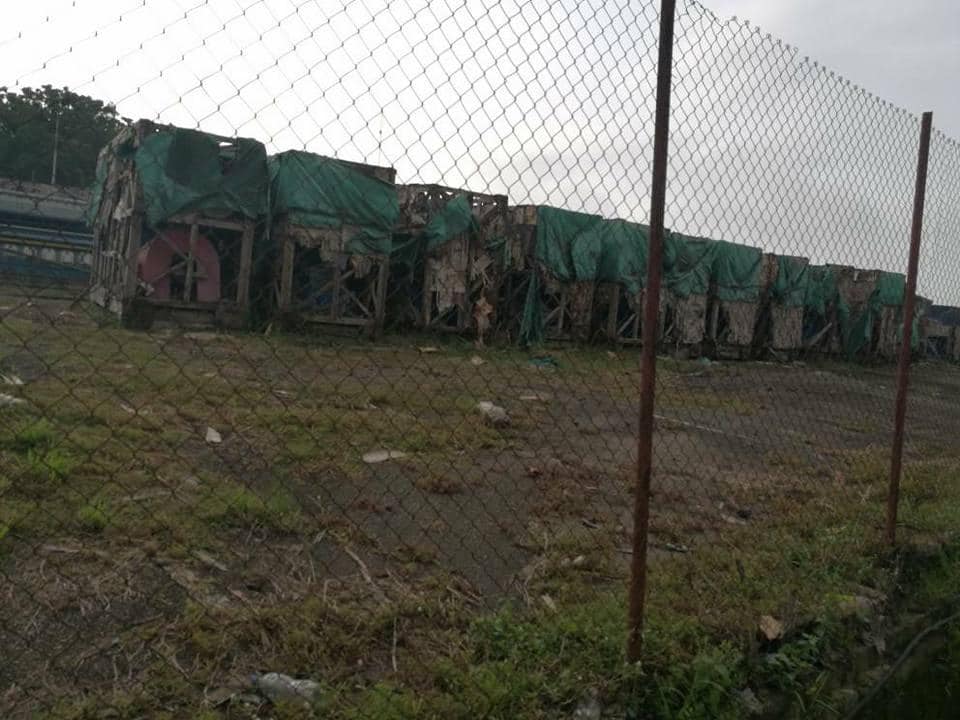
However, despite the initial promise, concerns have been raised over the whereabouts of many of the other procured mini-power plants and related equipment. Observers have alleged that much of the equipment, which was reportedly stored at public locations for years, is no longer accounted for. This has sparked calls for a comprehensive audit to determine what happened to the assets and whether they can be recovered or redeployed.
Analysts say resolving these questions is crucial not only for accountability but also for the possibility of reviving the original vision of stable, locally generated power in Ogun State. With trained personnel and licensing frameworks still potentially in place, some stakeholders believe that parts of the original energy plan could still be implemented if the missing infrastructure issues are addressed.
As Ogun State reflects on its development over the past five decades, the legacy of its early electricity reforms continues to generate both praise and criticism. While the policies once positioned the state as a pioneer in independent electricity distribution, the unresolved issues surrounding project implementation and missing assets remain a major point of concern for residents and observers alike.