Peter Obi Focused on General Election, Not Party Primaries — Obidient Movement Coordinator
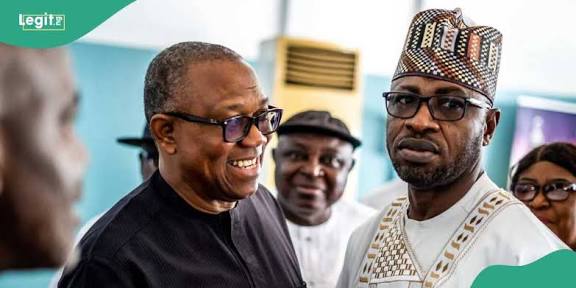

Fresh political debate has emerged within Nigeria’s opposition space following comments by Dr. Yunusa Tanko, National Coordinator of the Obidient Movement, who described former Anambra State governor and 2023 presidential candidate Peter Obi as a “general election contender” rather than a conventional primary election candidate.
Tanko’s remarks have generated discussion among political observers and supporters as conversations around potential alliances and party strategies intensify ahead of the 2027 general elections. His statement suggests a broader national outlook for Obi’s political ambitions rather than a narrow focus on internal party contests.
Peter Obi, who contested the 2023 presidential election under the Labour Party and gained significant support nationwide, has remained a central figure in Nigeria’s opposition politics. Since the last election cycle, speculation has persisted about his political alignment, potential party platform, and strategy for the next presidential race.
According to Tanko, Obi’s political appeal extends beyond party structures and internal primaries, positioning him as a candidate with nationwide appeal capable of contesting strongly at the general election level. This perspective aligns with the growing narrative among his supporters that his political strength lies in grassroots backing and cross-regional appeal rather than traditional party machinery alone.
Related News
Henry Seriake Dickson Defects from PDP to Newly Formed Nigeria Democratic Congress
Senator Henry Seriake Dickson has formally defected from the Peoples Democratic Party (PDP) to the newly registered Nigeria Democratic Congress…

Hon. Sarah Ivie Adidi Receives “Her Excellence Award” During International Women’s Day Event in Abuja
Reps aspirant Sarah Ivie Adidi has been honoured with the 2026 “Her Excellence Award” during an event marking International Women’s…
Governor Peter Mbah Urges Ndigbo to Return to Strategic Politics
Peter Mbah, Governor of Enugu State, has urged the Igbo political class to return to what he described as “strategic…
The comments come amid ongoing discussions within various opposition circles regarding coalition-building, party primaries, and the possibility of strategic alliances before the 2027 elections. Political analysts note that Nigeria’s electoral landscape is often shaped by complex negotiations between parties, candidates, and interest groups, making early positioning crucial for aspirants.
Obi has repeatedly maintained that he intends to run for president and not as a vice-presidential candidate in future elections, reinforcing his commitment to pursuing the nation’s top political office. His stance has attracted both support and criticism from different quarters, with some urging him to build stronger party structures while others advocate broader coalition strategies.
Tanko’s statement appears to reflect a strategic framing of Obi’s political relevance beyond intra-party competition. Supporters argue that Obi’s performance in the previous election demonstrated his ability to mobilise voters across different regions and demographics, particularly among young voters and urban populations.
However, critics contend that success in a general election often depends on first securing a strong position within a political party through competitive primaries. They argue that bypassing or downplaying internal party processes could weaken a candidate’s legitimacy or bargaining power within coalition arrangements.
The debate highlights ongoing tensions within Nigeria’s opposition landscape as parties and political movements seek to consolidate support and present formidable candidates for future elections. With more than a year before major party activities for the 2027 election cycle are expected to intensify, political actors are already testing narratives and strategies.
Observers say the coming months will likely see increased consultations, negotiations, and strategic positioning among opposition figures, including Obi and other potential presidential aspirants. Whether through party primaries, coalition arrangements, or new political alignments, the race toward 2027 is gradually taking shape.
As discussions continue, Tanko’s remarks have added another layer to the evolving political conversation, highlighting the strategic considerations facing major opposition figures as they prepare for Nigeria’s next presidential contest.