Lagos DSVA Trains Safeguarding Officers to Strengthen Fight Against Child Abuse
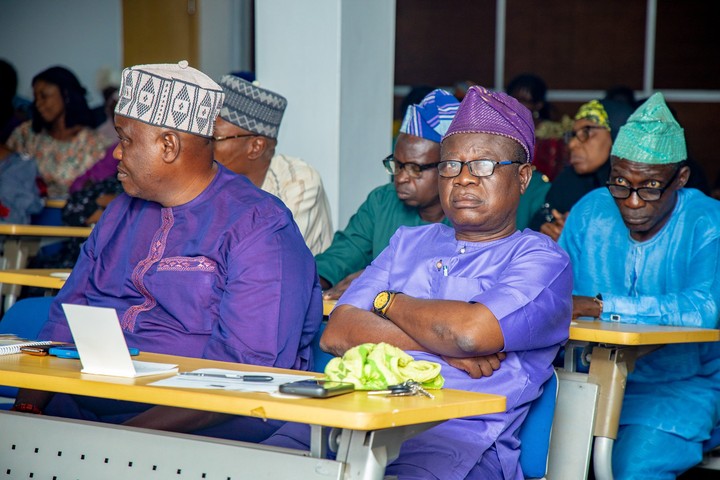

The Lagos State Domestic and Sexual Violence Agency (DSVA) has intensified efforts to protect children and vulnerable individuals by organizing a comprehensive capacity-building workshop for Safeguarding and Child Protection Officers across the state. The training, held on February 4, 2026, at the Lagos Chamber of Commerce and Industry (LCCI), brought together educators, school representatives, and community stakeholders to strengthen prevention and response strategies against abuse and gender-based violence.
The initiative reflects Lagos State’s broader commitment to safeguarding children and tackling sexual and gender-based violence (SGBV) through structured policies, awareness campaigns, and institutional support systems. Participants at the workshop were equipped with tools and knowledge aimed at identifying risks early, responding appropriately to cases, and ensuring that child protection laws are effectively implemented within educational and community settings.
Opening the event, the Executive Secretary of DSVA, Mrs. Titilola Vivour-Adeniyi, commended participants for their dedication to protecting children and upholding their rights. She described the workshop as essential for improving the ability of safeguarding officers to detect warning signs, manage sensitive cases, and enforce protective policies. According to her, the success of Lagos State’s fight against domestic and sexual violence depends heavily on well-trained officers who understand both prevention and response mechanisms.
Vivour-Adeniyi emphasized the importance of applying lessons learned during the workshop to real-life scenarios within schools and communities. She reiterated the state government’s determination to eliminate violence against children through consistent training, collaboration, and enforcement of safeguarding frameworks.
Related News

300-Bed Enugu International Hospital Approaches Completion Amid Public Reactions
Construction of the 300-bed Enugu International Hospital is nearing completion, with officials and residents expressing optimism that the facility will…

Anambra Government Seals Shops in Onitsha Markets Over Monday Closure, Commends Compliant Traders
The Anambra State Government has sealed several shops across markets in Onitsha and nearby communities after traders failed to open…

Governor Otti Commissions Key Infrastructure Projects in Abia, Announces New SSG Appointment
Abia State Governor Alex Otti has commissioned major road and bridge projects in Arochukwu Local Government Area, announcing new leadership…
The workshop featured several sessions led by specialists in child protection and community safety. One of the sessions, delivered by Mrs. Atinuke Odukoya of the Centre for Women’s Health and Information (CEWHIN), provided an overview of gender-based violence and safeguarding practices. Participants were guided on how to differentiate between discipline and abuse, recognize emotional and physical warning signs in children, and properly document incidents to support investigations and interventions.
Odukoya also highlighted national data pointing to a growing number of gender-based violence cases in Nigeria, stressing the need for vigilance among teachers and caregivers. She noted that poverty, insecurity, lack of awareness, and harmful social norms contribute to the persistence of abuse, adding that early detection and reporting are crucial to protecting children and preventing long-term harm.
Another session focused on safeguarding policies and the responsibilities of Designated Safeguarding and Child Protection Officers in schools. Child protection expert Mr. Yakubu Jubril explained that every school in Lagos is required to appoint a safeguarding officer responsible for reporting concerns, maintaining records, and ensuring that child protection policies are followed. He outlined key principles such as prioritizing the best interest of the child, ensuring safety, and maintaining transparency in handling cases.
Participants were also introduced to referral pathways and support services available for survivors. DSVA representatives explained how the agency collaborates with law enforcement, the Ministry of Justice, and other partners to provide legal and psychosocial support. The existence of Family Care Units across Lagos, staffed with trained personnel, was highlighted as a critical component of the response system.
A session on digital safety addressed the growing risks children face online. Facilitators encouraged teachers to educate students on responsible internet use, online privacy, and how to report suspicious behavior. The discussion underscored the importance of creating safe online environments and maintaining open communication between educators and students.
The workshop concluded with a renewed call for collaboration among schools, families, government agencies, and civil society groups. Speakers emphasized that protecting children is a shared responsibility requiring constant awareness, training, and enforcement of policies.
The DSVA stated that the training forms part of its ongoing efforts to strengthen child protection systems across Lagos. With rising concerns about abuse and low reporting rates nationwide, stakeholders agree that empowering frontline officers with the right knowledge and resources remains essential to building safer communities for children.