Peter Obi Says Nigeria Rich in Talent but Held Back by Poor Leadership
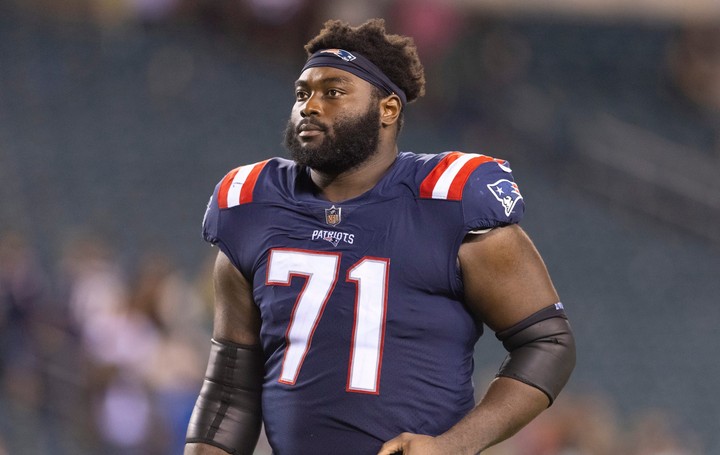

Former Labour Party presidential candidate Peter Obi has asserted that Nigeria possesses abundant talent across multiple sectors but continues to underperform due to what he described as poor leadership and weak institutional systems. Obi made the remarks while reflecting on the performance of athletes of Nigerian descent at the Super Bowl, using the global sporting event as a lens to highlight Nigeria’s untapped potential.
In a statement shared publicly, Obi noted that as he prepared to watch the Super Bowl, he was reminded of Nigeria’s vast human capital and the success of Nigerians excelling on the global stage. He pointed to the presence of three athletes of Nigerian descent participating in the major American football event: Michael Onwenu of the New England Patriots, Uchenna Nwosu of the Seattle Seahawks, and Jaxon Smith-Njigba, the Seattle Seahawks’ reigning Offensive Player of the Year.
According to Obi, the achievements of these athletes demonstrate what Nigerians can accomplish when provided with structured opportunities, supportive systems, and environments that reward discipline and hard work. He emphasized that their success was not accidental but the result of functional institutions and merit-based systems that nurture talent.
Related News

Henry Seriake Dickson Defects from PDP to Newly Formed Nigeria Democratic Congress
Senator Henry Seriake Dickson has formally defected from the Peoples Democratic Party (PDP) to the newly registered Nigeria Democratic Congress…

Hon. Sarah Ivie Adidi Receives “Her Excellence Award” During International Women’s Day Event in Abuja
Reps aspirant Sarah Ivie Adidi has been honoured with the 2026 “Her Excellence Award” during an event marking International Women’s…
Governor Peter Mbah Urges Ndigbo to Return to Strategic Politics
Peter Mbah, Governor of Enugu State, has urged the Igbo political class to return to what he described as “strategic…
The former Anambra State governor argued that Nigeria’s development challenges stem primarily from leadership deficiencies rather than a shortage of capable citizens. He stated that if governance in Nigeria were driven by vision, competence, and integrity, and if leadership focused on strengthening institutions and investing in people, the country would achieve far greater success across various fields, including science, technology, education, and business.
Obi stressed that Nigeria’s future growth depends on building systems that create equal opportunities for citizens and allow talent to flourish. He maintained that effective leadership would enable Nigeria not only to participate on the global stage but to excel consistently and assume leadership positions internationally.
His remarks align with his long-standing political message that Nigeria’s transformation requires institutional reforms, responsible governance, and investments in human capital. He concluded his statement by reiterating his belief that national progress is achievable with the right leadership approach, expressing optimism about the country’s potential for improvement.
The comments have generated mixed reactions across political and public discourse. Supporters of Obi agree with his assessment, arguing that Nigeria’s challenges are rooted in governance failures and systemic inefficiencies that hinder the development of talent. They point to the success of Nigerians in the diaspora as evidence of what is possible under enabling environments.
However, critics have questioned Obi’s position, with some arguing that he is part of the political establishment he criticizes. Others have called for greater emphasis on concrete policy proposals and leadership records rather than general statements about governance. The debate reflects broader discussions about political accountability, leadership credibility, and the direction of Nigeria’s development ahead of future electoral cycles.
Political analysts note that conversations around leadership and governance remain central to Nigeria’s political landscape, particularly as the country prepares for future elections. Statements from prominent political figures such as Obi often contribute to ongoing debates about policy direction, institutional reform, and national priorities.
As discussions continue, Obi’s comments have once again brought attention to the broader question of how Nigeria can effectively harness its human capital and translate potential into measurable national development.