Political Tensions Rise as Paul Ibe Responds to Fayose’s 48-Hour Ultimatum Amid PDP Power Struggles
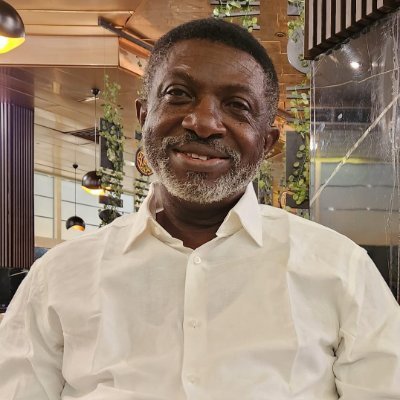

A new political dispute has surfaced within Nigeria’s opposition space following a strong response from Paul Ibe, media aide to former Vice President Atiku Abubakar, to remarks and a reported 48-hour ultimatum issued by former Ekiti State Governor Ayo Fayose.
The exchange has drawn attention from political observers and party supporters, highlighting ongoing tensions among influential figures within the opposition and raising questions about alignment, loyalty, and strategic direction ahead of future electoral contests.
Paul Ibe, who serves as spokesperson to Atiku, publicly addressed Fayose’s statements in what many analysts interpret as a rebuttal to criticisms directed at his principal. While details surrounding the ultimatum remain contested across various political circles, the response from Ibe has intensified discussions about internal divisions within opposition ranks.
Political commentators note that such public disagreements are not unusual in Nigeria’s political landscape, particularly as parties reposition themselves in preparation for future elections. However, the latest exchange has taken on added significance due to the stature of the individuals involved and their influence within the broader opposition movement.
Related News

Henry Seriake Dickson Defects from PDP to Newly Formed Nigeria Democratic Congress
Senator Henry Seriake Dickson has formally defected from the Peoples Democratic Party (PDP) to the newly registered Nigeria Democratic Congress…

Hon. Sarah Ivie Adidi Receives “Her Excellence Award” During International Women’s Day Event in Abuja
Reps aspirant Sarah Ivie Adidi has been honoured with the 2026 “Her Excellence Award” during an event marking International Women’s…
Governor Peter Mbah Urges Ndigbo to Return to Strategic Politics
Peter Mbah, Governor of Enugu State, has urged the Igbo political class to return to what he described as “strategic…
Observers say Fayose’s remarks appear to reflect deeper disagreements about political strategy, alliances, and leadership direction within the opposition. The former Ekiti governor has long been known for his outspoken style and willingness to challenge both allies and opponents, a reputation that continues to shape his role in national political discourse.
Ibe’s response, on the other hand, has been interpreted by some analysts as an attempt to defend Atiku’s political standing and reinforce his influence within the opposition. Supporters of the former vice president argue that the response underscores the need for cohesion among opposition figures as Nigeria approaches another major election cycle.
The dispute has also reignited conversations about generational leadership, succession planning, and the future of political parties seeking to challenge the ruling establishment. With Atiku remaining a prominent figure in national politics and Fayose maintaining his relevance as a political commentator and influencer, the exchange reflects broader tensions over strategy and leadership.
Some analysts believe the disagreement could have implications for the unity of the Peoples Democratic Party and its allies, particularly if internal disputes continue to play out publicly. Others argue that such confrontations are part of the normal process of political realignment and negotiation within competitive democratic systems.
The situation also highlights the evolving relationships among prominent political actors, including former allies who now occupy different strategic positions within Nigeria’s political landscape. Figures such as Nyesom Wike have been mentioned in broader conversations about shifting loyalties and alliances, further complicating the opposition’s internal dynamics.
As political actors continue to position themselves ahead of the 2027 general elections, analysts expect more public exchanges and strategic manoeuvring among leading figures. While disagreements remain a defining feature of Nigeria’s political environment, many observers stress the importance of internal cohesion for parties seeking electoral success.
For now, the exchange between Fayose and Ibe underscores the ongoing struggle for influence and direction within opposition politics. Whether the disagreement will escalate or eventually give way to reconciliation remains uncertain, but it has already drawn significant attention to the evolving dynamics shaping Nigeria’s political future.