Atiku Questions INEC’s Choice of 2027 Election Dates Over Ramadan Concerns
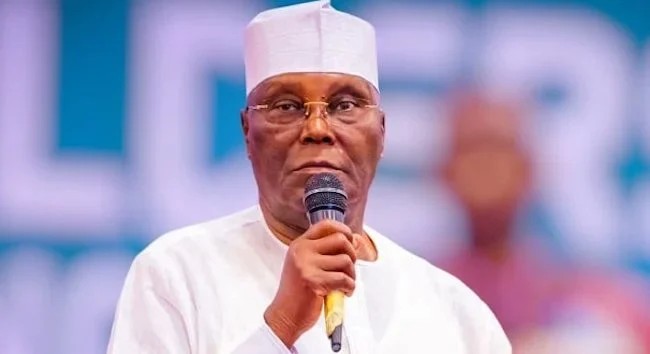

Former Vice-President Atiku Abubakar has expressed concerns over the scheduling of Nigeria’s 2027 general elections, urging the country’s electoral commission to reconsider the announced dates due to their overlap with the Islamic holy month of Ramadan.
Atiku, who is also a prominent political figure within the African Democratic Congress (ADC), questioned whether the Independent National Electoral Commission (INEC) had adequately considered the socio-religious realities of the country before fixing the election timetable. He specifically highlighted February 20, 2027, and March 6, 2027, as the announced dates for the polls, noting that they fall squarely within the Ramadan period, expected to run from early February to early March that year.
In a public statement shared via his social media platforms, the former vice-president argued that conducting elections during a major religious observance could negatively impact voter participation and overall engagement. According to him, Ramadan is a period of fasting, reflection, and increased religious devotion for millions of Nigerian Muslims, making it physically demanding for many to participate fully in electoral activities.
He emphasised that elections are not merely administrative exercises but national civic engagements that require maximum participation and collective focus. Fixing such a critical national event within a significant religious season, he said, reflects insufficient sensitivity to Nigeria’s diverse religious and cultural context.
Related News
Henry Seriake Dickson Defects from PDP to Newly Formed Nigeria Democratic Congress
Senator Henry Seriake Dickson has formally defected from the Peoples Democratic Party (PDP) to the newly registered Nigeria Democratic Congress…

Hon. Sarah Ivie Adidi Receives “Her Excellence Award” During International Women’s Day Event in Abuja
Reps aspirant Sarah Ivie Adidi has been honoured with the 2026 “Her Excellence Award” during an event marking International Women’s…
Governor Peter Mbah Urges Ndigbo to Return to Strategic Politics
Peter Mbah, Governor of Enugu State, has urged the Igbo political class to return to what he described as “strategic…
Atiku also questioned the preparedness of the Independent National Electoral Commission to conduct credible elections if basic planning considerations such as timing were not properly handled. He argued that if the commission struggles with selecting broadly acceptable dates, it could raise broader concerns about its capacity to deliver free, fair, and transparent elections in 2027.
The former vice-president stressed that inclusive planning is essential in a country as religiously and culturally diverse as Nigeria. He maintained that the electoral body should ensure that its decisions reflect sensitivity to the needs and realities of citizens across different regions and faiths.
According to him, the scheduling of elections during Ramadan may present practical challenges, including reduced physical endurance for voters who are fasting and potential difficulties for election workers and security personnel also observing the fast. He suggested that adjusting the timetable could help ensure greater participation and reduce logistical pressures associated with conducting nationwide elections during a demanding religious period.
Nigeria’s general elections traditionally take place in the first quarter of the year to allow for the swearing-in of newly elected officials by May 29. However, Atiku argued that flexibility in planning would demonstrate foresight and responsiveness to public concerns.
The debate over the election timetable has added to ongoing discussions about preparations for the 2027 polls, with stakeholders calling for improved electoral logistics, transparency, and voter confidence. Analysts note that election scheduling often requires balancing administrative timelines with social and religious considerations, particularly in a multi-faith society like Nigeria.
While INEC has yet to formally respond to the concerns raised, observers say the conversation highlights broader expectations for the electoral body to conduct a process that is inclusive, credible, and widely accepted across the country.
As preparations for the 2027 elections gradually intensify, issues surrounding voter participation, logistics, and institutional readiness are likely to remain central to public discourse. Calls for dialogue and careful planning are expected to shape the lead-up to what is anticipated to be another highly contested national election cycle.