Presidency Denies Thallium Importation Allegation, Urges El-Rufai to Release Evidence
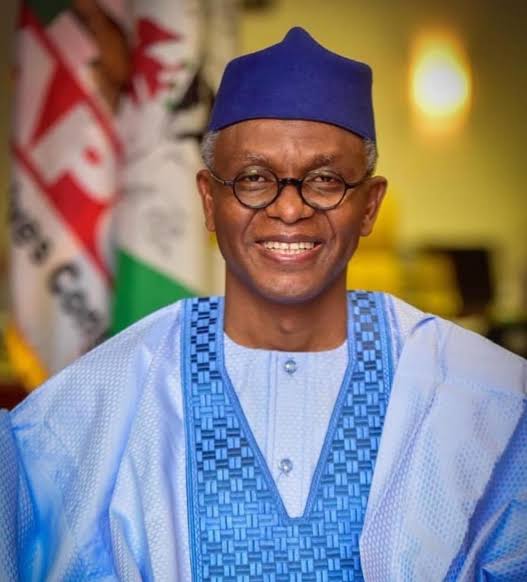

The Presidency has denied allegations that the Federal Government imported thallium sulphate into Nigeria, describing the claims as baseless and urging former Kaduna State governor Nasir El‑Rufai to provide evidence to support his assertions.
In a public statement released on February 15, presidential media aide Temitope Ajayi, Senior Special Assistant on Media and Publicity to President Bola Tinubu, said there was no government procurement or importation of thallium sulphate through the Office of the National Security Adviser.
Ajayi’s response comes amid a growing public dispute following earlier claims by El-Rufai suggesting that the Nigerian government had sourced approximately 10 kilograms of the toxic substance from Poland. The compound, known for its extreme toxicity, has raised public concern due to its potential misuse.
Presidency Rejects Allegation
According to Ajayi, El-Rufai was aware that no such procurement occurred and had already received an official response from the Office of the National Security Adviser, headed by Nuhu Ribadu. He stated that the former governor should make the response public if he intends to maintain transparency in the matter.
The presidential aide argued that the allegation was part of a broader effort to generate political tension and create an atmosphere of fear. He maintained that the government had neither procured nor planned to import thallium sulphate, describing the claims as misinformation capable of causing unnecessary public alarm.
Related News

Henry Seriake Dickson Defects from PDP to Newly Formed Nigeria Democratic Congress
Senator Henry Seriake Dickson has formally defected from the Peoples Democratic Party (PDP) to the newly registered Nigeria Democratic Congress…

Hon. Sarah Ivie Adidi Receives “Her Excellence Award” During International Women’s Day Event in Abuja
Reps aspirant Sarah Ivie Adidi has been honoured with the 2026 “Her Excellence Award” during an event marking International Women’s…
Governor Peter Mbah Urges Ndigbo to Return to Strategic Politics
Peter Mbah, Governor of Enugu State, has urged the Igbo political class to return to what he described as “strategic…
Ajayi further suggested that the controversy may be linked to political disputes and ongoing legal challenges involving El-Rufai. He stated that the former governor should focus on addressing allegations of financial mismanagement raised against him rather than making unsubstantiated claims that could undermine public confidence in national security institutions.
Political Tensions and Public Debate
The exchange between both sides has intensified political tensions, drawing widespread reactions from commentators and the public. The controversy has expanded beyond questions of chemical importation to broader debates about transparency, accountability, and political rivalry.
El-Rufai had earlier written to the Office of the National Security Adviser seeking clarification on reports of thallium procurement. The correspondence later became public, triggering a wave of speculation and concern across political and social media platforms.
Government officials insist that all procurement processes related to sensitive materials are subject to strict regulatory oversight and that any allegations of misconduct must be supported by verifiable evidence. Ajayi emphasized that public figures should exercise caution when making claims involving national security, as such statements can have significant implications for public trust and stability.
Calls for Evidence and Transparency
The Presidency has urged El-Rufai to release any documents or intelligence that substantiate his claims, noting that transparency requires all parties to present verifiable facts. Officials maintain that the burden of proof lies with those making the allegation.
Observers say the dispute highlights ongoing political divisions within Nigeria’s elite political class and reflects broader tensions ahead of future electoral cycles. Analysts also note that the involvement of high-profile figures has amplified public attention, turning the matter into a significant political narrative.
While no formal investigation outcome has yet been announced, the controversy underscores the sensitivity surrounding national security matters and the importance of accurate information in public discourse. Authorities have reiterated their commitment to addressing any credible security concerns while cautioning against the spread of unverified claims.
As the situation develops, attention remains focused on whether additional evidence will emerge and how institutions responsible for national security oversight will respond. The episode continues to raise questions about political communication, institutional trust, and the responsibilities of public office holders in managing sensitive information.