Shettima Calls for Reconciliation Between Akume and Alia Amid Benue Political Tensions
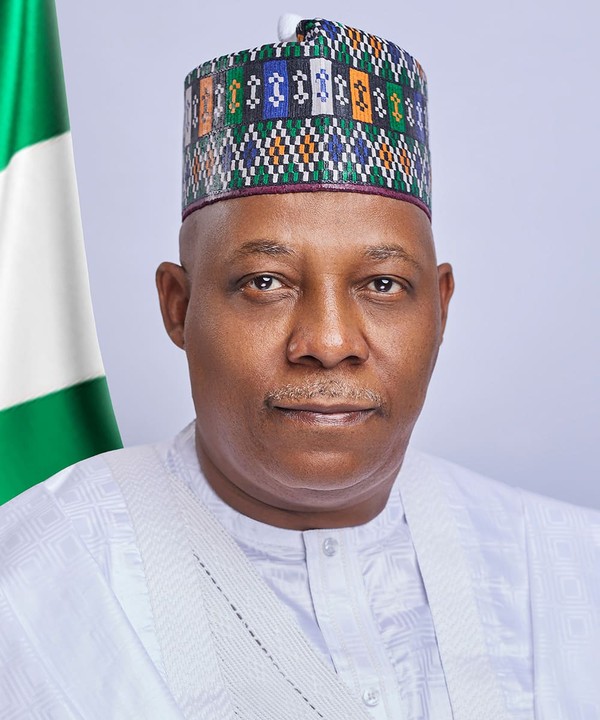

Vice President Kashim Shettima on Monday made a public appeal to two prominent political figures from Benue State, urging them to put aside their differences in the interest of governance and stability.
Speaking at the PGF Renewed Hope Ambassadors Summit held at the Banquet Hall of the Presidential Villa in Abuja, the Vice President called on Secretary to the Government of the Federation (SGF), George Akume, and Benue State Governor Hyacinth Alia to “mend fences and work together.”
“I want to make a special appeal to SGF George Akume and Benue State Governor Hyacinth Alia to mend fences and work together,” Shettima said during his address at the gathering.
Although the Vice President did not elaborate on the specific issues between the two leaders, his remarks come amid widely reported political tensions within Benue State’s leadership structure. Observers have noted that disagreements between influential political stakeholders in the state have generated internal friction within the ruling party’s ranks.
George Akume, a former governor of Benue State and long-standing political figure in the state, currently serves as SGF under President Bola Tinubu’s administration. Governor Hyacinth Alia, elected under the same party platform, assumed office with significant grassroots support and has since been navigating governance challenges in the state.
The public appeal by Shettima underscores the federal government’s interest in fostering cohesion among party leaders, particularly in states where internal disputes could affect governance and political stability.
Related News
Henry Seriake Dickson Defects from PDP to Newly Formed Nigeria Democratic Congress
Senator Henry Seriake Dickson has formally defected from the Peoples Democratic Party (PDP) to the newly registered Nigeria Democratic Congress…

Hon. Sarah Ivie Adidi Receives “Her Excellence Award” During International Women’s Day Event in Abuja
Reps aspirant Sarah Ivie Adidi has been honoured with the 2026 “Her Excellence Award” during an event marking International Women’s…
Governor Peter Mbah Urges Ndigbo to Return to Strategic Politics
Peter Mbah, Governor of Enugu State, has urged the Igbo political class to return to what he described as “strategic…
Political Context in Benue
Benue State has historically experienced power struggles among influential political actors, especially between incumbent governors and established party leaders often described as political godfathers. Analysts suggest that such tensions typically revolve around control of party structures, policy direction, and political influence.
The Vice President’s intervention signals a preference for internal reconciliation rather than prolonged public disputes. Political observers note that unity among top leaders is often considered essential for implementing development programs and maintaining party strength ahead of future elections.
While neither Akume nor Alia has publicly responded to the Vice President’s remarks as of the time of reporting, the call for dialogue reflects growing concern within party circles about maintaining stability in Benue.
Reactions from the Public
The Vice President’s comments sparked varied reactions among members of the public. Some commentators welcomed the call for reconciliation, describing it as a necessary step toward ensuring effective governance in the state.
Others, however, expressed skepticism, arguing that political disputes should be resolved through institutional processes rather than public appeals. Some observers also questioned whether underlying structural issues within state-level politics might continue to generate friction despite calls for unity.
Political analysts note that disputes between governors and influential party figures are not unique to Benue State, as similar tensions have been observed in other states across Nigeria. In many cases, such disagreements center on differing visions for governance, control of political appointments, or influence over party machinery.
Broader Implications
The appeal by the Vice President comes at a time when the federal government is emphasizing national cohesion and political stability as part of its broader policy objectives. Internal disagreements within state leadership structures can have implications for development initiatives, legislative cooperation, and party unity.
By urging both leaders to reconcile, Shettima positioned himself as an advocate for dialogue and collaboration within the political system. His remarks also highlight the importance of conflict resolution mechanisms within political parties and governance institutions.
Whether the appeal will translate into concrete reconciliation efforts remains to be seen. However, the Vice President’s public call reflects an acknowledgment that unresolved disputes among key political actors can affect governance outcomes at the state level.
For now, attention remains on how both Akume and Alia respond to the appeal and whether steps will be taken to foster cooperation in Benue State’s political landscape.