Amaechi Calls for Equal Justice Across Nigeria at Arewa Forum Anniversary
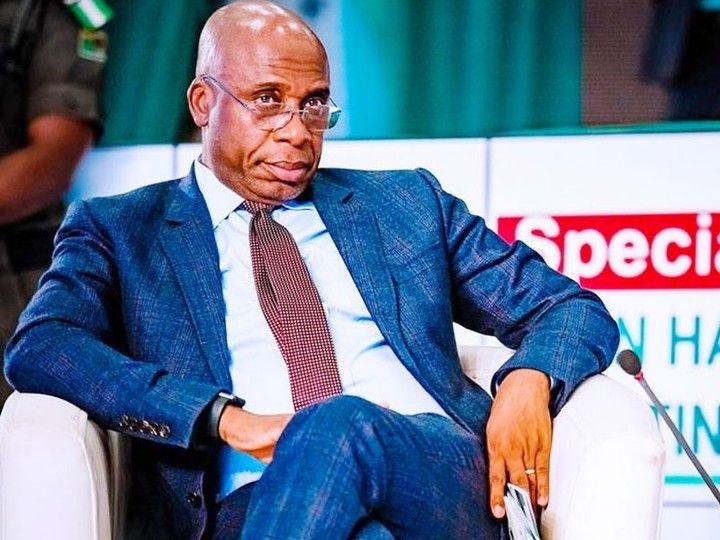

Former Minister of Transportation Chibuike Rotimi Amaechi drew significant public attention on Sunday after delivering a keynote address at the Arewa Consultative Forum’s 25th Anniversary in Kaduna, where he urged Nigeria’s political leaders to uphold justice equally across all regions. His message, delivered to northern political elites, traditional leaders, and civil society representatives, focused heavily on the need for national cohesion, fairness, and trust in public institutions at a time when many Nigerians are expressing frustration over perceived selective justice.
Amaechi argued that justice administered in Abuja must reflect the same standards in every other region, emphasizing that a nation cannot thrive where citizens feel the judicial system favors some groups over others. He described justice as the cornerstone of peace and unity, warning that regional disparities in legal outcomes deepen mistrust and fuel political tension. According to him, Nigeria’s long-term stability depends on ensuring that no region—north, south, east, or west—feels marginalized in the application of the law.
Related News

Henry Seriake Dickson Defects from PDP to Newly Formed Nigeria Democratic Congress
Senator Henry Seriake Dickson has formally defected from the Peoples Democratic Party (PDP) to the newly registered Nigeria Democratic Congress…

Hon. Sarah Ivie Adidi Receives “Her Excellence Award” During International Women’s Day Event in Abuja
Reps aspirant Sarah Ivie Adidi has been honoured with the 2026 “Her Excellence Award” during an event marking International Women’s…
Governor Peter Mbah Urges Ndigbo to Return to Strategic Politics
Peter Mbah, Governor of Enugu State, has urged the Igbo political class to return to what he described as “strategic…
His remarks, however, ignited immediate reactions across Nigerian social platforms. While some applauded him for speaking openly about selective justice, others dismissed his comments as insincere, accusing him of ignoring similar issues during his years in power. Critics argued that many political leaders only acknowledge injustice after leaving office, when they no longer benefit from the system they previously defended.
Social media users responded with mixed emotions. Some described Amaechi’s message as timely and accurate, noting that unequal justice has contributed to rising political distrust and regional grievances. They pointed to ongoing national conversations around security, court rulings, and political prosecutions as evidence of a system perceived to treat citizens differently based on ethnicity, influence, or political alignment.
However, a louder segment of commenters expressed skepticism. Many recalled Amaechi’s role in national politics during the administrations he served, questioning whether he had championed fairness when he wielded significant influence. Several users accused him of contributing to political decisions that deepened divisions and enabled selective governance. Others suggested that his renewed advocacy for justice now reflects the typical cycle of Nigerian political rhetoric—silence in power, criticism out of power.
His remarks also intersected with wider public debates about insecurity, the role of political elites, and the legitimacy of ongoing legal cases involving high-profile figures. Some commenters shifted the conversation to issues like banditry, regional unrest, and political accountability, arguing that justice must extend beyond courtroom decisions to everyday governance.
Despite the criticism, Amaechi’s speech succeeded in reinvigorating a national conversation: the question of whether justice in Nigeria is truly impartial. His call for fairness across all regions touches on a long-standing challenge in the country’s democratic journey—ensuring citizens believe the law protects everyone equally, regardless of political or ethnic background.
The Arewa Consultative Forum’s anniversary event provided a symbolic platform for this message, as the forum has historically played a significant role in shaping national political discourse. Whether Amaechi’s remarks will influence ongoing conversations about reforming the justice system is yet to be seen, but the reactions highlight a persistent public concern: Nigerians want fairness, but they also want sincerity from those who champion it.