Bandits Do Not Fear God, Defence Minister Urges States to End Negotiations With Armed Groups
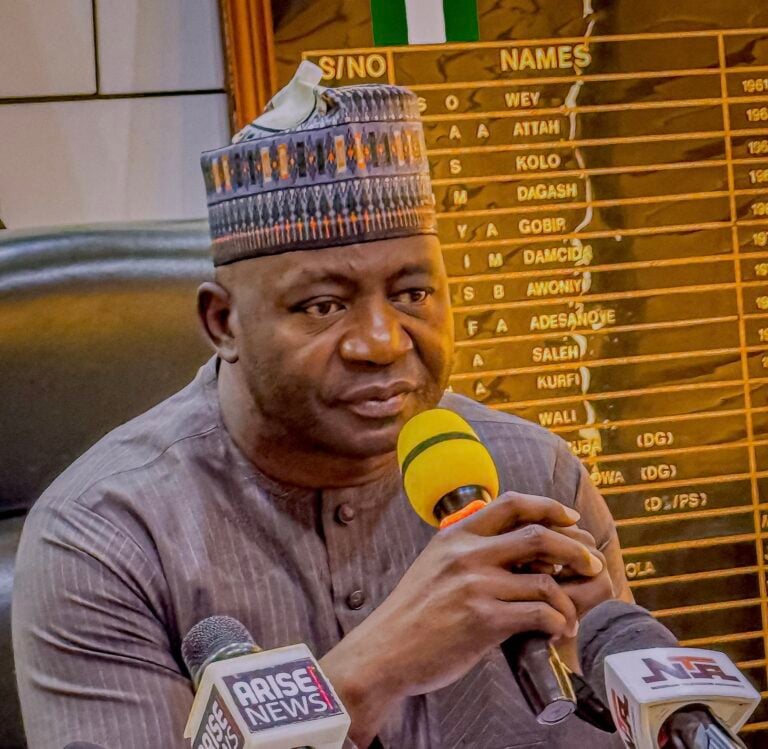

The Minister of Defence, Christopher Musa, has strongly advised state governments across Nigeria to discontinue negotiations with bandits, insisting that such arrangements weaken ongoing military operations and provide armed groups with opportunities to regroup and rearm.
Musa made the remarks during an interview with BBC Hausa, where he expressed concern over recent moves by some state governments to engage in dialogue with armed groups operating in their territories. According to the defence minister, negotiations with bandits have repeatedly proven ineffective, as such groups rarely honour agreements reached with authorities.
He stated that bandits “do not fear God” and warned that any form of reconciliation with them often comes at a cost, as they typically seek concessions such as the release of detained suspects, financial incentives, or other material benefits. Musa argued that these actions ultimately prolong insecurity rather than resolve it.
The defence minister specifically referenced recent developments in Katsina State, where the state government facilitated the release of about 70 suspected bandits who had been in custody. The Katsina State Government described the move as part of a broader effort to consolidate community-based peace initiatives with what it termed “repentant bandits” in several local government areas.
However, Musa said the federal authorities had advised against the decision. He explained that security agencies had warned the state government that reconciling with armed groups posed significant risks and could reverse gains made by the military on the ground.
Related News

Tinubu Approves Salary Increase for Nigerian Armed Forces Personnel
President Bola Ahmed Tinubu has approved a salary increase and improved allowances for members of the Nigerian Armed Forces as…

“Stop Politics, Nigerians Are Dying” – Peter Obi Warns Leaders Amid Rising Insecurity
Former Labour Party presidential candidate Peter Obi has urged political leaders to shift their focus from 2027 election strategies to…

Tinubu Expresses Confidence in Ribadu, Vows Nigeria Will Defeat Terrorism and Banditry
President Bola Tinubu has reaffirmed his administration’s commitment to tackling insecurity across Nigeria, expressing strong confidence in National Security Adviser…
“Negotiation with bandits is not a way out. Those people are not sincere. Whenever they come for reconciliation, they need something,” Musa said during the interview, speaking in Hausa. “What is happening in Katsina—we told them not to make the mistake of reconciling with those people. They are liars.”
He added that repeated negotiations send the wrong message to criminal groups and encourage them to continue violent activities. According to him, bandits often return to armed operations even after peace deals are reached, undermining trust and worsening insecurity.
Musa also emphasized that such negotiations negatively affect the morale and effectiveness of the armed forces. “We begged people to stop negotiating with them and the government should stop. It’s not right and they will surely come back again,” he said. “They don’t fear God. We already informed them it damages our work.”
The defence minister acknowledged that Nigeria operates under a democratic system, which limits the extent of direct federal intervention in state-level decisions. Nevertheless, he noted that discussions were ongoing between the federal government and state authorities to ensure a more coordinated approach to addressing insecurity.
In addition to rejecting negotiations, Musa addressed claims that the federal government pays ransom to kidnappers and bandits. He firmly denied such allegations, stating that the payment of ransom only fuels criminal activity and incentivizes further abductions.
“Paying ransom is not good. People should stop paying ransom when they kidnap people. Reports should be made and actions will be taken,” Musa said. He maintained that the federal government does not pay ransom, adding that any such payments, if they occur, are made independently by individuals or third parties without government approval.
The comments have sparked renewed debate across the country, with Nigerians expressing mixed reactions over the effectiveness of negotiations versus military action in tackling banditry and kidnapping. While some support Musa’s hardline stance, others argue that negotiations are sometimes pursued by states as a desperate response to persistent violence and limited security capacity.
Banditry and kidnapping remain major security challenges in several parts of northern Nigeria, despite years of military operations and various peace initiatives. Musa’s remarks highlight the growing tension between federal security strategy and state-level approaches to managing insecurity.