“Stop Politics, Nigerians Are Dying” – Peter Obi Warns Leaders Amid Rising Insecurity
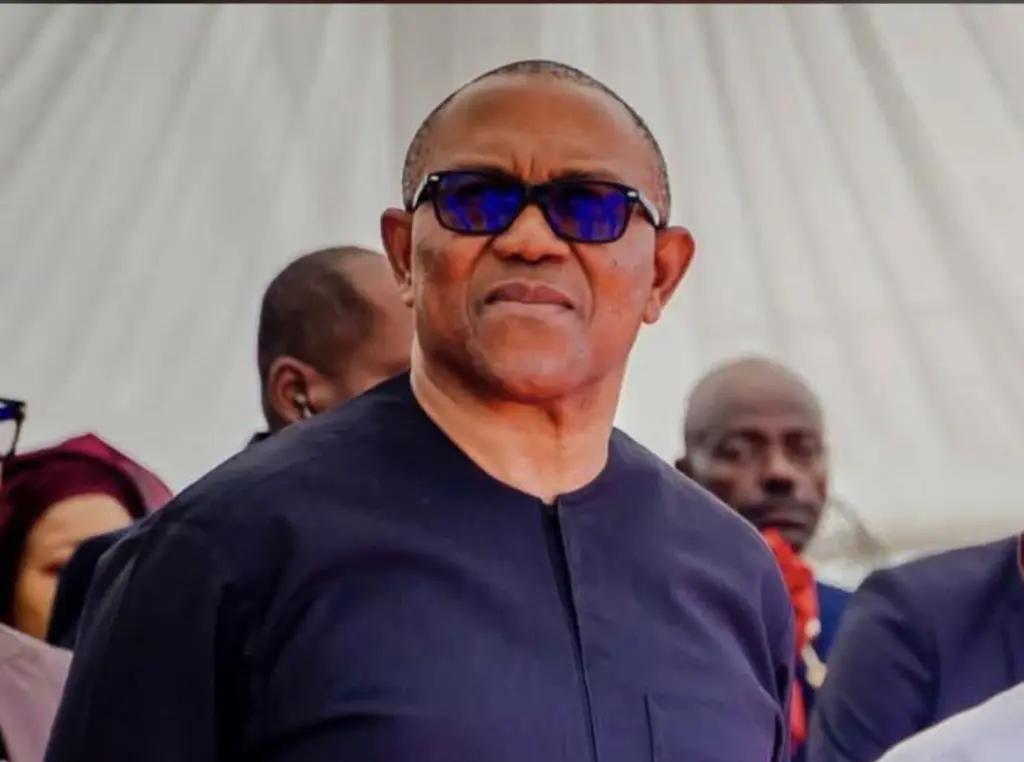

Former presidential candidate of the Labour Party, Peter Obi, has called on Nigeria’s political class to suspend early election maneuvering and prioritise the escalating security crisis across the country.
In a statement shared via his official X account, Obi expressed deep concern over the scale of violence recorded in the first two months of 2026. According to him, more than 1,000 Nigerians have reportedly lost their lives within that period, while thousands of others have been abducted in a wave of attacks affecting multiple states.
“From Zamfara to Kwara, Ondo, Kebbi, Edo, Benue, Adamawa, Plateau, and many other states, families have buried loved ones, and communities have been emptied by gunshots and fear,” Obi wrote.
He described the situation as deeply troubling, arguing that the level of insecurity in parts of Nigeria now rivals conditions in countries officially at war. For Obi, the most disturbing aspect is what he sees as a disconnect between the daily realities faced by citizens and the political conversations dominating national discourse.
“We strategize about 2027 while Nigerians struggle to survive 2026. This is inhumane,” he stated.
Related News

Henry Seriake Dickson Defects from PDP to Newly Formed Nigeria Democratic Congress
Senator Henry Seriake Dickson has formally defected from the Peoples Democratic Party (PDP) to the newly registered Nigeria Democratic Congress…

Hon. Sarah Ivie Adidi Receives “Her Excellence Award” During International Women’s Day Event in Abuja
Reps aspirant Sarah Ivie Adidi has been honoured with the 2026 “Her Excellence Award” during an event marking International Women’s…
Governor Peter Mbah Urges Ndigbo to Return to Strategic Politics
Peter Mbah, Governor of Enugu State, has urged the Igbo political class to return to what he described as “strategic…
Obi criticised political actors for what he characterised as an overemphasis on party structures, zoning formulas, and campaign strategies at a time when many communities are grappling with violence, displacement, and economic hardship. He insisted that safeguarding human life should be the foremost responsibility of leadership.
“History will not remember how many strategies we perfected for 2027; it will remember whether we acted when Nigerians were dying. We must choose Nigerian lives over politics. We must put Nigerians first,” he added.
The remarks have generated mixed reactions across political divides. Supporters of the former Anambra State governor praised his comments as a necessary moral reminder, arguing that national security and economic stability should take precedence over electoral positioning.
Critics, however, accused him of politicising insecurity and using alarming statistics to reinforce his opposition stance. Some commentators questioned whether it is possible to fully separate governance issues from political debate, especially in a democracy where opposition figures are expected to scrutinise the government’s performance.
The broader context of Obi’s statement reflects ongoing national anxiety over insecurity. Several regions have continued to report incidents involving armed groups, banditry, kidnappings, and communal violence. These security challenges have compounded existing economic pressures, including inflation and rising cost of living.
Political analysts note that discussions about the 2027 elections have already begun to surface across party lines, even though the next general election cycle remains some distance away. Internal party alignments, coalition talks, and zoning debates have gradually intensified, fuelling perceptions that long-term political calculations are taking centre stage.
Obi’s intervention appears aimed at redirecting attention toward immediate governance concerns. His message underscores a broader debate about leadership priorities and the balance between political competition and national stability.
As Nigeria navigates economic reforms and security challenges simultaneously, the tension between electoral politics and governance responsibilities is likely to remain a defining feature of public discourse. Whether Obi’s call will influence the tone of political engagement in the months ahead remains to be seen, but his statement has once again placed the spotlight on the human cost of insecurity and the urgency of coordinated action.