Elon Musk Sparks Global Debate With Call for Abolition of the European Union
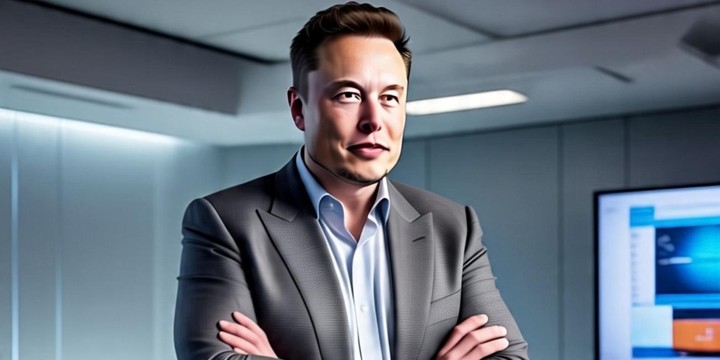

Elon Musk, the billionaire entrepreneur and owner of social media platform X (formerly Twitter), has ignited international debate after calling for the complete abolition of the European Union and the return of full sovereignty to individual European nations. Musk made the statement in a post on his verified X account, where he argued that dismantling the EU would allow national governments to better represent the interests of their citizens.
“The EU should be abolished, and sovereignty returned to individual countries, so that governments can better represent their people,” Musk wrote. The comment immediately drew intense reactions online and reopened longstanding arguments over the future of European integration, supranational governance, and national autonomy.
Musk’s statement comes at a time when the European Union is facing multiple internal and external pressures. Across the bloc, nationalist and Eurosceptic parties have gained momentum in recent election cycles, campaigning on platforms that emphasize border control, migration restrictions, and resistance to centralized governance from Brussels. Migration policy, defense coordination, economic regulation, and energy security remain among the most divisive issues within the union.
At the same time, public support for the EU as an institution remains relatively strong in many member states, particularly because of the economic and mobility benefits associated with the bloc. These include free movement of people and goods, a common market, and the euro currency used by many member nations. Despite this, calls for treaty renegotiation and greater national control have continued to grow louder in several countries.
Related News
Trump’s 2013 Tweet on Obama and Iran Resurfaces Amid Fresh US–Israel Strikes
A 2013 social media post by former US President Donald Trump predicting that then-President Barack Obama would attack Iran has…
Conflicting Reports Emerge Over Alleged Death of Iran’s Supreme Leader Ayatollah Ali Khamenei
Conflicting international media reports on Saturday claimed that Iran’s Supreme Leader, Ali Khamenei, may have been killed in a joint…

European Leaders Push Back Against Trump’s Tariff Threats Amid Escalating Greenland Dispute
European leaders have strongly rejected tariff threats issued by former U.S. President Donald Trump over Greenland, warning that such measures…
Musk’s comments are also unfolding against the backdrop of mounting tension between X and European regulators. Since acquiring the platform, Musk has clashed repeatedly with EU authorities over content moderation, digital transparency, and platform accountability. The European Union’s Digital Services Act (DSA) imposes strict obligations on major online platforms to remove illegal content, curb disinformation, and publish detailed transparency reports.
The European Commission has launched formal investigations into X’s compliance with the DSA, warning that the company could face heavy fines if found guilty of violating the law. This regulatory pressure has led many analysts to interpret Musk’s call for EU abolition as at least partly linked to business interests rather than purely ideological convictions.
Social media reactions to Musk’s post reflected sharp divisions. Supporters of the billionaire argue that the EU has grown into an overcentralized bureaucracy that limits democratic accountability and imposes uniform policies on diverse national cultures and economies. They contend that returning sovereignty to individual states would strengthen democracy and allow governments to respond more directly to the needs of their citizens.
Critics, however, accused Musk of promoting political fragmentation and undermining one of the world’s most powerful economic and political blocs. Some users questioned why a U.S.-based billionaire should weigh in so forcefully on Europe’s internal governance, while others argued that a weakened EU would only benefit external global powers and multinational corporations.
Several commentators also pointed out what they described as contradictions in Musk’s reasoning, noting that the United States itself operates as a powerful federal union. Others suggested that dismantling the EU would reintroduce customs borders, trade barriers, visa restrictions, and economic instability across the continent, reversing decades of integration.
Beyond Europe, the controversy has reignited broader questions about the growing influence of tech billionaires in shaping global political discourse. Musk frequently comments on international conflicts, elections, free speech policies, and governance issues through his social media platform, which is used by hundreds of millions of people worldwide. His critics argue that such influence, when backed by immense wealth and control of a major communication channel, carries serious implications for democratic debate.
As of the time of filing this report, no formal response had been issued by the European Commission or leading EU political figures directly addressing Musk’s remarks. However, political analysts suggest that the comments could intensify scrutiny of Musk’s political role as both a business executive and public commentator.
While the European Union has faced deep structural challenges over the years, it remains one of the most significant political and economic blocs in the world. Whether Musk’s call for its abolition will have any tangible political impact remains uncertain, but it has undeniably reopened global discussion about sovereignty, integration, and the future of supranational governance in the modern world.