Four Teenagers Killed in Borno Explosion as Police Warn Against Handling Strange Objects
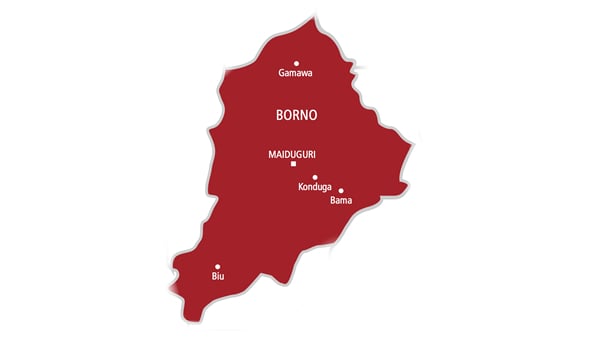

A tragic incident unfolded on Friday in Banki, a border community in Bama Local Government Area of Borno State, where four teenagers lost their lives after an improvised explosive device (IED) detonated unexpectedly. The Borno State Police Command confirmed the development in an official statement released by the Police Public Relations Officer (PPRO), Nahum Daso.
According to the police, the explosion occurred at approximately 12:40 p.m. behind the Banki Motor Park in Wajari Ward. The victims, all teenage boys, were reportedly playing with the device, which they had allegedly picked from the bush, before it exploded. The PPRO said the command received a report around 1:00 p.m. from a resident, Babagana Mohammed, prompting immediate deployment of police operatives and Explosive Ordnance Disposal technicians to the scene.
Upon arrival, officers cordoned off the area and began recovery efforts. Two of the boys were found lifeless at the scene, while others were critically injured. Four teenagers—identified as Awana Mustapha (15), Malum Modu (14), Lawan Ibrahim (12), and Modu Abacha (12)—were confirmed dead from the blast.
A fifth boy, 12-year-old Mustapha Tijja, survived the explosion but sustained severe injuries. He was promptly evacuated to the FHI 360 clinic in Banki, where medical personnel are treating him. According to the police, he is responding to care.
Related News

Edo State Raises Alarm Over Growing Number of Widows and Orphans Linked to Cult Violence
The Edo State Government has expressed concern over the rising number of widows and fatherless children resulting from cult-related killings…

ADC Blames Tinubu Over Kwara Killings as Political Tensions Rise Nationwide
The African Democratic Congress (ADC) has blamed President Bola Tinubu’s administration for the recent mass killings in Kwara State, describing…

Tinubu Meets Kwara Governor AbdulRazaq Over Deadly Terrorist Attack in Kaiama Communities
President Bola Tinubu held an emergency meeting with Kwara State Governor AbdulRahman AbdulRazaq following a deadly terrorist attack that reportedly…
Further investigations revealed that the boys had gone into a makeshift structure behind the motor park where the device was being mishandled before it detonated. Authorities believe the IED may have been left behind by insurgents in the area, a grim reminder of the lingering threat posed by remnants of the Boko Haram conflict.
In the aftermath of the blast, security personnel restored normalcy to the area while continuing to investigate the source of the device. The police also used the opportunity to raise public awareness about the dangers of tampering with unfamiliar objects, especially in communities previously affected by insurgency.
The Commissioner of Police, CP Naziru Abdulmajid, expressed deep condolences to the affected families and emphasized the need for vigilance. He warned residents—particularly children—to avoid picking up strange items or objects found in the bush, abandoned buildings, or along remote routes. He urged community members to immediately report suspicious discoveries to the nearest security formation.
The incident has triggered emotional reactions from residents and Nigerians online, many of whom lamented the continued presence of explosive remnants of war in Borno communities. Some expressed anger and frustration over the persistent security challenges in the region, while others called for intensified clearance operations, public sensitization, and improved counterinsurgency efforts.
In recent years, Borno State has grappled with lingering security threats linked to Boko Haram and Islamic State West Africa Province (ISWAP). Although major towns have been liberated, rural communities continue to face the risk of unexploded ordnances and sporadic attacks.
The death of the four teenagers adds to a long list of casualties caused by abandoned explosive devices in the North-East. Community leaders and security experts have repeatedly urged authorities to carry out more extensive de-mining operations and safety awareness campaigns to protect vulnerable populations, especially children.
As investigations continue, the police reaffirm their commitment to ensuring safety and preventing similar tragedies. For now, the grieving families and the Banki community mourn the loss of four young lives cut short by a hidden danger buried beneath years of conflict.