Nigerian Army Destroys Terrorists’ Makeshift Pharmaceutical Facility in North West Forest
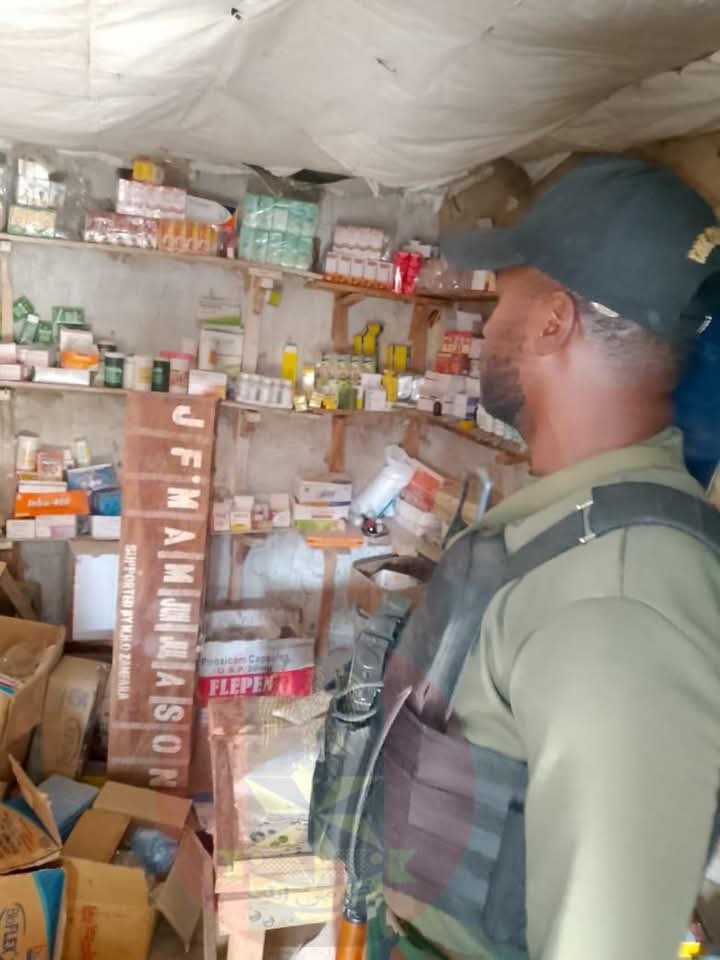

The Nigerian Army has recorded another operational success in its ongoing counterterrorism campaign in the North West, following the discovery and destruction of a makeshift pharmaceutical and medical facility operated by terrorist elements in a forest hideout. The development occurred during coordinated military offensives carried out by troops of Operation FANSAN YAMMA, the Joint Task Force responsible for security operations in the region.
According to a statement issued by the Media Information Officer of Operation FANSAN YAMMA, Captain David Adewusi, the operation formed part of sustained military pressure on terrorist groups across the Joint Operations Area between January 21 and 22, 2026. The statement said troops demonstrated “remarkable responsiveness” in executing intelligence-driven operations aimed at degrading terrorist capabilities and restoring security in affected communities.
As part of the offensive, troops of the 8 Division Garrison Strike Force, working alongside Department of State Services (DSS) assets, conducted a fighting patrol in Gundumi Village, located in Isa Local Government Area. During the encounter, the troops engaged armed terrorists, neutralising one of them, while several others fled into surrounding forested areas with gunshot wounds. The operation also led to the recovery of six AK-47 rifles and three motorcycles, believed to have been used by the group for mobility and attacks.
Related News
Nigeria Moves to Modernise Air Defence Systems Amid Growing Security Concerns
Nigeria is reviewing proposals from Chinese and European defence companies to modernise its ageing air defence infrastructure as part of…
Tinubu Approves Salary Increase for Nigerian Armed Forces Personnel
President Bola Ahmed Tinubu has approved a salary increase and improved allowances for members of the Nigerian Armed Forces as…
Captain Abiodun Abidemi Folorunsho Appointed Director of Naval Information, Nigerian Navy
The Nigerian Navy has appointed Captain Abiodun Abidemi Folorunsho as its new Director of Naval Information and official spokesperson, following…
Building on this success, troops of 1 Brigade, in conjunction with the Headquarters Joint Task Force Operation FANSAN YAMMA Mobile Strike Team, acted on credible intelligence indicating that injured terrorists were receiving medical treatment at a concealed location within Bingi Forest. Upon advancing into the area, the troops discovered a makeshift medical and pharmaceutical facility used to treat wounded fighters and sustain their operations.
The facility, described as rudimentary but functional, was subsequently destroyed by the troops to prevent further use. Military sources said the discovery and destruction of the facility dealt a significant blow to the terrorists’ support system, as access to medical supplies and treatment is critical to sustaining armed groups operating in remote locations.
Captain Adewusi noted that the operation underscored the effectiveness of intelligence-led missions and inter-agency collaboration in counterterrorism efforts. He added that denying terrorists access to logistics, medical care, and recovery facilities remains a key component of the military’s strategy to weaken their operational endurance and morale.
“The continued successes recorded reflect the unwavering determination of Operation FANSAN YAMMA to decisively degrade terrorist networks and restore peace and security across the North West,” the statement said.
Security analysts have long noted that armed groups operating in forested areas often establish supply chains that include food storage, fuel depots, mechanical workshops, and medical points to support prolonged campaigns. The discovery of a pharmaceutical facility highlights the level of organisation among such groups and reinforces the need for sustained surveillance and intelligence penetration.
The latest military action has attracted mixed reactions from members of the public, with some expressing cautious optimism over the reported gains, while others have urged security forces to maintain pressure and prevent the re-emergence of similar facilities elsewhere. Observers also note that while kinetic operations are essential, long-term success will depend on consistent follow-up operations, improved intelligence gathering, and community cooperation.
Operation FANSAN YAMMA remains one of the Nigerian military’s key initiatives aimed at countering terrorism, banditry, and other security threats in the North West. Military authorities say operations will continue until terrorist networks in the region are dismantled and normalcy is restored to affected communities.