Obidient Movement Demands Federal Probe Into Alleged Assassination Attempt on Peter Obi, Oyegun
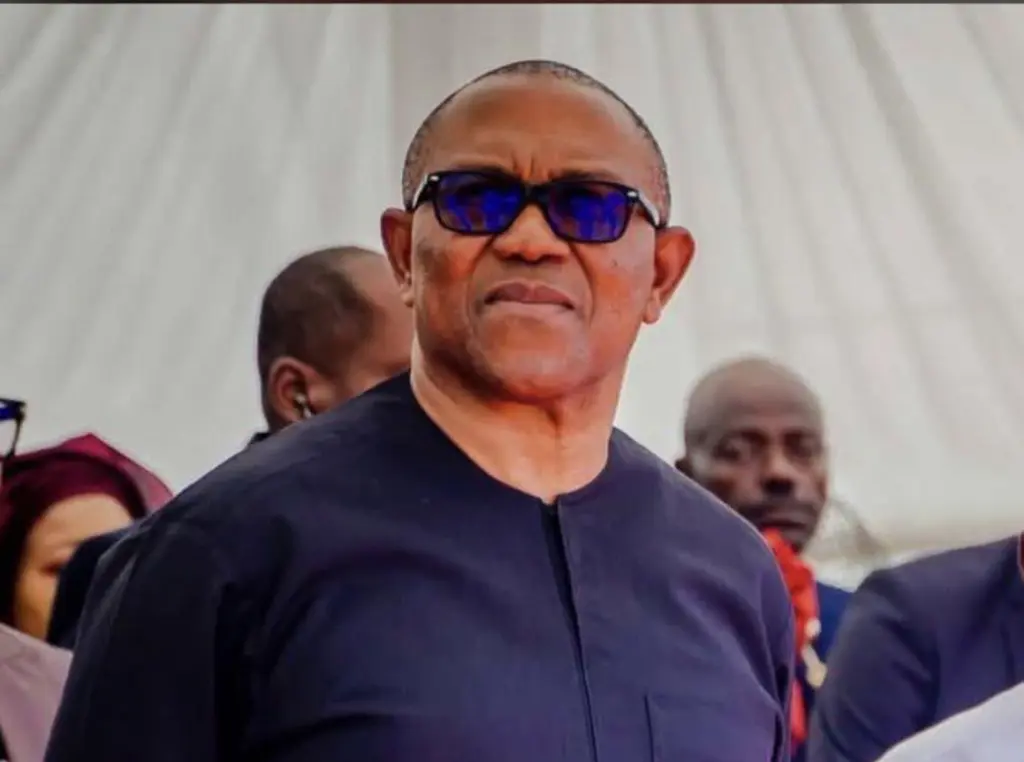

The Obidient Movement has urged the Federal Government to immediately investigate and publicly condemn an alleged assassination attempt involving Peter Obi, former presidential candidate of the Labour Party (LP), and John Odigie-Oyegun, a senior political figure and former governor of Edo State.
In a statement signed by its National Coordinator, Yunusa Tanko, the movement described the incident as a grave threat to Nigeria’s democratic order and called for what it termed an “immediate, independent, and transparent investigation.” The group insisted that any probe must be conducted free from the influence of individuals or state actors allegedly connected to the incident.
According to the statement, intelligence had reportedly been received ahead of the attack, yet the assailants were said to have operated without interference across two separate locations. The movement criticized what it described as an inadequate initial response from security authorities, arguing that early police accounts downplayed the seriousness of the event.
The Obidient Movement also took issue with what it characterized as attempts to frame the incident as an internal political matter. It maintained that any attack on opposition figures transcends party lines and constitutes a national security concern requiring federal oversight.
Specifically, the group called on the Nigeria Police Force and urged the Inspector-General of Police to take direct control of the investigation. It demanded that those responsible for the alleged attack — including any sponsors — be identified, arrested, and prosecuted in accordance with the law.
Related News

Henry Seriake Dickson Defects from PDP to Newly Formed Nigeria Democratic Congress
Senator Henry Seriake Dickson has formally defected from the Peoples Democratic Party (PDP) to the newly registered Nigeria Democratic Congress…

Hon. Sarah Ivie Adidi Receives “Her Excellence Award” During International Women’s Day Event in Abuja
Reps aspirant Sarah Ivie Adidi has been honoured with the 2026 “Her Excellence Award” during an event marking International Women’s…
Governor Peter Mbah Urges Ndigbo to Return to Strategic Politics
Peter Mbah, Governor of Enugu State, has urged the Igbo political class to return to what he described as “strategic…
Beyond law enforcement action, the movement appealed to Bola Tinubu, President of the Federal Republic of Nigeria, to publicly condemn the incident. It further requested that the President instruct members of his political party in Edo State, as well as political actors nationwide, to refrain from acts of violence, intimidation, or inflammatory rhetoric.
The statement emphasized that democratic competition must be grounded in ideas and electoral processes rather than coercion or force. “We are resolute in the demand for a Nigeria where political competition is decided by ideas and ballots, not by thugs and bullets,” the group said.
Despite the seriousness of the allegations, reactions across political and public spaces have been mixed. While some commentators expressed concern over the potential normalization of political violence, others questioned the circumstances surrounding the incident and called for credible evidence to substantiate the claims.
Supporters of the movement argue that the call for federal intervention reflects broader anxieties about political intolerance and shrinking civic space ahead of future elections. Critics, however, contend that the matter should first be formally reported and investigated through established state-level channels before being escalated.
As of the time of reporting, there has been no detailed public briefing from federal authorities outlining investigative steps or confirming specific findings related to the alleged attack. The Nigeria Police Force has not released a comprehensive update addressing the concerns raised in the Obidient Movement’s statement.
The incident comes amid heightened political activity and shifting alliances within Nigeria’s opposition landscape. Analysts note that tensions often rise in the pre-election period, particularly when prominent figures reposition themselves within emerging coalitions.
For its part, the Obidient Movement stated that the alleged attack would not deter its political engagement. It reaffirmed its commitment to peaceful assembly, freedom of movement, and active participation in Nigeria’s democratic process.
Whether federal authorities will heed the call for a broader, independent investigation remains to be seen. However, the development has once again brought issues of political security, accountability, and democratic norms to the forefront of national discourse.