Peter Obi Condemns Niger Attack as ‘National Shame,’ Calls for United Front Against Insecurity
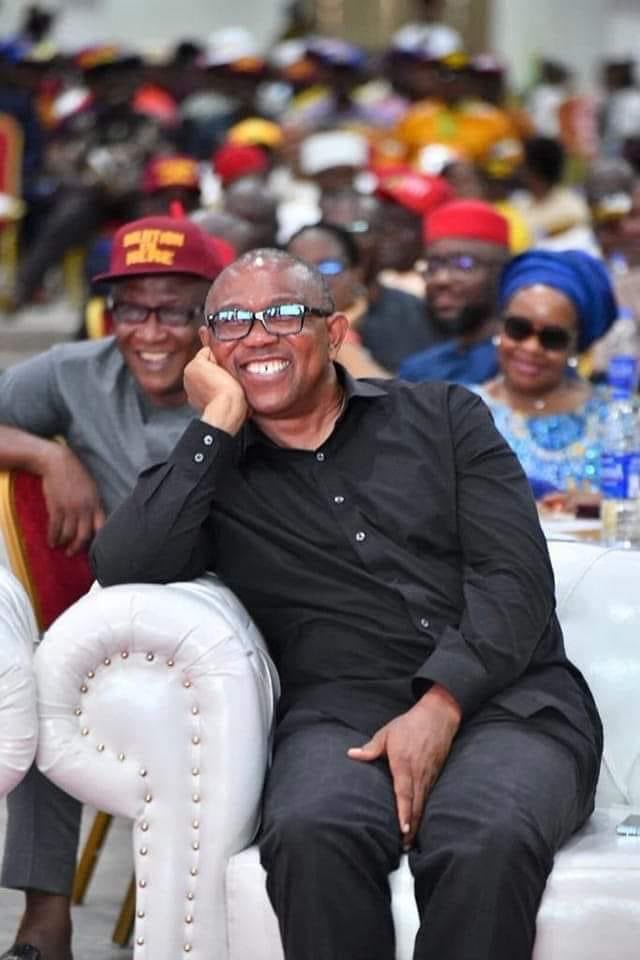

Former Labour Party presidential candidate, Peter Obi, has reacted strongly to the recent terrorist attack in Niger State that reportedly claimed the lives of dozens of civilians and led to the abduction of several others. In a public statement shared via his verified X (formerly Twitter) account on Sunday, Obi described the incident as a “national shame,” lamenting what he called the government’s repeated failure to protect lives and property across the country.
The attack occurred at the Kasuwan-Daji Market in the Domo community of Borgu Local Government Area, where gunmen reportedly stormed the area, killing scores of residents and abducting others. The incident has added to a growing list of violent attacks recorded across multiple states in Nigeria since the beginning of the year, further heightening public concern about the nation’s security situation.
In his statement, Obi noted that the Niger attack was not an isolated incident but part of a broader and deeply troubling pattern of violence that has become disturbingly frequent. He referenced similar attacks in Plateau, Kano, and Katsina states, pointing out that communities across different regions of the country continue to face deadly assaults from terrorists and bandits with little respite.
Related News

Edo State Raises Alarm Over Growing Number of Widows and Orphans Linked to Cult Violence
The Edo State Government has expressed concern over the rising number of widows and fatherless children resulting from cult-related killings…

ADC Blames Tinubu Over Kwara Killings as Political Tensions Rise Nationwide
The African Democratic Congress (ADC) has blamed President Bola Tinubu’s administration for the recent mass killings in Kwara State, describing…

Tinubu Meets Kwara Governor AbdulRazaq Over Deadly Terrorist Attack in Kaiama Communities
President Bola Tinubu held an emergency meeting with Kwara State Governor AbdulRahman AbdulRazaq following a deadly terrorist attack that reportedly…
“It is deeply worrisome and unacceptable that, as we usher in a new year, the cycle of senseless killings and insecurity continues unchecked across our nation,” Obi wrote. He stressed that Nigerians should not become desensitized to the loss of lives, warning that the normalization of violence poses a grave threat to national stability and social cohesion.
According to Obi, addressing insecurity in Nigeria requires more than rhetoric or fragmented responses. He called for an “all-hands-on-deck” approach, emphasizing the need for a coordinated, capable, and decisive national strategy that brings together federal, state, and local authorities, as well as security agencies and community stakeholders. He argued that the protection of citizens’ lives must remain the foremost responsibility of any government.
The former Anambra State governor also expressed sympathy for families affected by the recent attacks, acknowledging that words alone cannot heal the pain of those who have lost loved ones. He stated that the nation must collectively mourn with victims’ families while taking urgent steps to prevent further bloodshed.
“To the families who have lost loved ones in Niger, Plateau, Kano, Katsina, and other affected communities this New Year, no words can truly ease your pain,” he wrote. “Know, however, that the nation mourns with you. This cycle of violence must be stopped.”
Obi’s remarks, however, have generated mixed reactions from the public. While many Nigerians praised his stance and echoed his concerns about insecurity, others accused him of selective outrage or political grandstanding. Some critics referenced security challenges that occurred during his tenure as governor, arguing that no political leader is entirely blameless in Nigeria’s long struggle with violence. Supporters, on the other hand, defended his right to speak out, insisting that insecurity is a national issue that transcends political affiliations and regional boundaries.
The reactions also reflect broader frustrations among Nigerians, many of whom believe that insecurity has worsened despite changes in leadership. Analysts note that the persistent attacks across multiple states underscore systemic challenges within Nigeria’s security architecture, including intelligence gaps, inadequate coordination, and lingering socio-economic factors that fuel violence.
As debates continue, the Niger attack has once again drawn attention to the human cost of insecurity in Nigeria. Beyond political arguments and online exchanges, families and communities are left to grieve, rebuild, and live with the fear of future attacks. Obi’s comments, whether embraced or criticized, have reignited a national conversation about accountability, governance, and the urgent need for effective solutions to a crisis that continues to claim lives.