President Tinubu to Visit United States Tuesday, Meet U.S. Vice President JD Vance Amid Rising Tensions
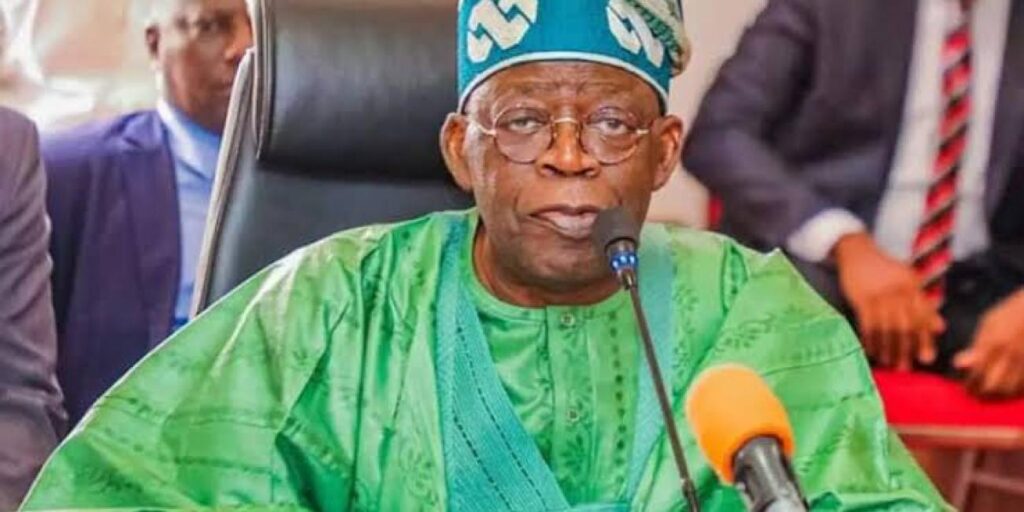

President Bola Ahmed Tinubu is set to embark on an official visit to the United States on Tuesday, where he is expected to hold a diplomatic meeting with U.S. Vice President James David (JD) Vance, representing President Donald Trump. The meeting comes at a sensitive time, following heightened tensions over U.S. allegations of Christian persecution in Nigeria and President Trump’s recent warning of potential military intervention.
According to SaharaReporters, sources within the Nigerian Presidency confirmed the trip, describing it as part of “top-level diplomatic engagements” between both nations. The discussions are expected to address U.S.-Nigeria relations, counterterrorism cooperation, and religious freedom concerns that have dominated headlines in recent weeks.
President Trump had earlier designated Nigeria as a “country of particular concern”, citing reports of violence targeting Christian communities. He warned that if the Nigerian government failed to address the issue, Washington could withdraw all aid and consider direct military action.
“If the Nigerian Government continues to allow the killing of Christians, the U.S.A. will immediately stop all aid and assistance to Nigeria, and may very well go into that now disgraced country, ‘guns blazing,’” President Trump declared, ordering the U.S. Department of War to prepare for “possible action.”
In response, the Nigerian Presidency dismissed the genocide allegations as “false and exaggerated,” insisting that the nation remains committed to protecting citizens of all faiths under its constitutional guarantees of religious liberty. President Tinubu stated that Nigeria’s democratic structure enshrines freedom of religion and that his administration “does not condone or support persecution based on faith.”
Related News
Trump’s 2013 Tweet on Obama and Iran Resurfaces Amid Fresh US–Israel Strikes
A 2013 social media post by former US President Donald Trump predicting that then-President Barack Obama would attack Iran has…
Conflicting Reports Emerge Over Alleged Death of Iran’s Supreme Leader Ayatollah Ali Khamenei
Conflicting international media reports on Saturday claimed that Iran’s Supreme Leader, Ali Khamenei, may have been killed in a joint…

European Leaders Push Back Against Trump’s Tariff Threats Amid Escalating Greenland Dispute
European leaders have strongly rejected tariff threats issued by former U.S. President Donald Trump over Greenland, warning that such measures…
“The characterization of Nigeria as religiously intolerant does not reflect our national reality,” Tinubu said, adding that since taking office in 2023, his administration has maintained open dialogue with both Christian and Muslim leaders.
Tinubu’s Media Aide, Daniel Bwala, also defended the President’s record on security and counterterrorism, asserting that cooperation between both nations has yielded positive results.
“President Trump has assisted Nigeria a lot by authorizing the sale of arms to Nigeria, and President Tinubu has effectively utilized that support in combating terrorism,” Bwala stated.
He added that any existing disagreements between both leaders regarding the nature of Nigeria’s terrorist threats — whether they are religiously motivated or not — would be discussed and resolved during the upcoming engagement.
Political analysts view Tinubu’s visit as a delicate balancing act: maintaining diplomatic respect toward Washington while asserting Nigeria’s sovereignty amid external pressure. The meeting with Vice President Vance, rather than Trump himself, has drawn mixed reactions across Nigeria’s political landscape.
While government supporters frame the visit as a sign of diplomatic maturity and a step toward de-escalating international tensions, critics argue that Tinubu’s decision to meet Trump’s deputy instead of the U.S. President reflects a diplomatic downgrade.
Opposition voices on social media have accused the administration of “reactive diplomacy,” suggesting that the visit is more about appeasing Washington than addressing the root causes of insecurity in Nigeria. Others, however, argue that the dialogue could help stabilize Nigeria’s foreign relations and avert any potential sanctions or international fallout.
Despite the controversy, the Nigerian government has reiterated that the visit will strengthen bilateral ties and reaffirm both countries’ commitment to combating terrorism and promoting peace. Tinubu is also expected to discuss opportunities for economic cooperation, defense support, and humanitarian initiatives in northern Nigeria.
As global attention turns to Washington this week, the outcome of the Tinubu–Vance meeting may shape the tone of U.S.–Nigeria relations in the months ahead — particularly as both nations navigate the complex intersection of religion, security, and diplomacy.