Public Outcry Trails ₦770 Million Abuja Residence Project for Ekiti State Governor
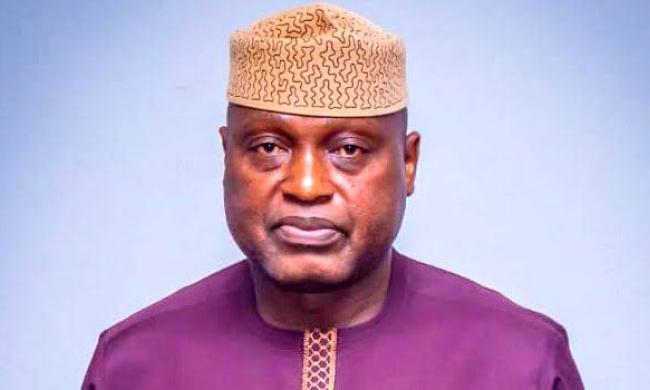

A proposed expenditure of ₦770 million for the construction and furnishing of an official residence for the Ekiti State Governor in Abuja has generated intense debate across public forums, reflecting deep-seated frustration over governance priorities and public spending in Nigeria. The issue gained traction following reports that the Ekiti State Government had already spent ₦470 million on the project and subsequently budgeted an additional ₦300 million, bringing the total projected cost to ₦770 million.
Many citizens reacting to the development expressed disbelief and anger, arguing that the expenditure is excessive and unjustifiable, especially given the prevailing economic conditions in the country. Nigeria is currently grappling with rising inflation, increased taxation, and widespread cost-of-living pressures, which have made government spending decisions more scrutinized than ever.
A recurring question raised by critics is the fundamental purpose of maintaining a luxury governor’s lodge in the federal capital. Several commentators argued that Ekiti State, like many others, faces pressing needs such as poor road networks, underfunded healthcare facilities, struggling schools, and limited economic opportunities. To them, allocating hundreds of millions of naira to an Abuja residence appears disconnected from the everyday realities of citizens.
Related News
300-Bed Enugu International Hospital Approaches Completion Amid Public Reactions
Construction of the 300-bed Enugu International Hospital is nearing completion, with officials and residents expressing optimism that the facility will…

Anambra Government Seals Shops in Onitsha Markets Over Monday Closure, Commends Compliant Traders
The Anambra State Government has sealed several shops across markets in Onitsha and nearby communities after traders failed to open…
Governor Otti Commissions Key Infrastructure Projects in Abia, Announces New SSG Appointment
Abia State Governor Alex Otti has commissioned major road and bridge projects in Arochukwu Local Government Area, announcing new leadership…
Some contributors to the debate went further, describing the project as emblematic of what they see as a culture of waste and political self-interest among Nigerian leaders. They alleged that such lodges often remain largely unused, with governors reportedly preferring to stay in high-end hotels or private residences when visiting Abuja, rendering the state-owned properties redundant.
Comparisons were also drawn with other federal systems, particularly the United States. Participants noted that U.S. state governors do not maintain official residential lodges in Washington, D.C. Instead, they rely on state liaison offices and temporary accommodation during official visits. This contrast was used to question whether Nigeria’s practice aligns with the principles of federalism or represents an unnecessary duplication of costs.
However, not all reactions were critical. A minority view defended the concept of a state lodge in Abuja, arguing that frequent official engagements in the capital can lead to substantial hotel expenses over time. From this perspective, proponents claim that owning a permanent residence could be more cost-effective in the long run. They also argued that ₦700 million, while seemingly large, may not be as significant given current construction costs and inflation.
Despite these counterarguments, skepticism remained dominant. Some respondents suggested that beyond accommodation, such projects often serve as avenues for political patronage, elite networking, or future personal benefit to officeholders. There were insinuations that properties built with public funds sometimes end up being sold or appropriated by officials after leaving office, though no specific evidence was provided in relation to this particular project.
The controversy also took on a political dimension, with some commentators linking the spending to broader national politics and upcoming elections. Others framed it as part of a pattern where state governors align closely with federal power structures, allegedly to secure political protection or advantage.
Beyond partisan exchanges, the debate underscores a deeper issue of trust between citizens and government. Many Nigerians feel excluded from decision-making processes and believe public funds are routinely deployed in ways that do not improve their quality of life. Calls for greater transparency, accountability, and clearer justification for major expenditures were common throughout the discussion.
As economic pressures continue to mount and tax burdens increase, public tolerance for perceived extravagance by political leaders appears to be diminishing. Whether the Ekiti State Government will respond to the criticisms or provide a detailed cost-benefit explanation for the Abuja residence remains to be seen. What is clear, however, is that the project has reignited national conversations about governance priorities, fiscal responsibility, and the social contract between leaders and the people they serve.