Ribadu Calls on El-Rufai to Provide Evidence Over Toxic Chemical Procurement Claim as DSS Opens Probe
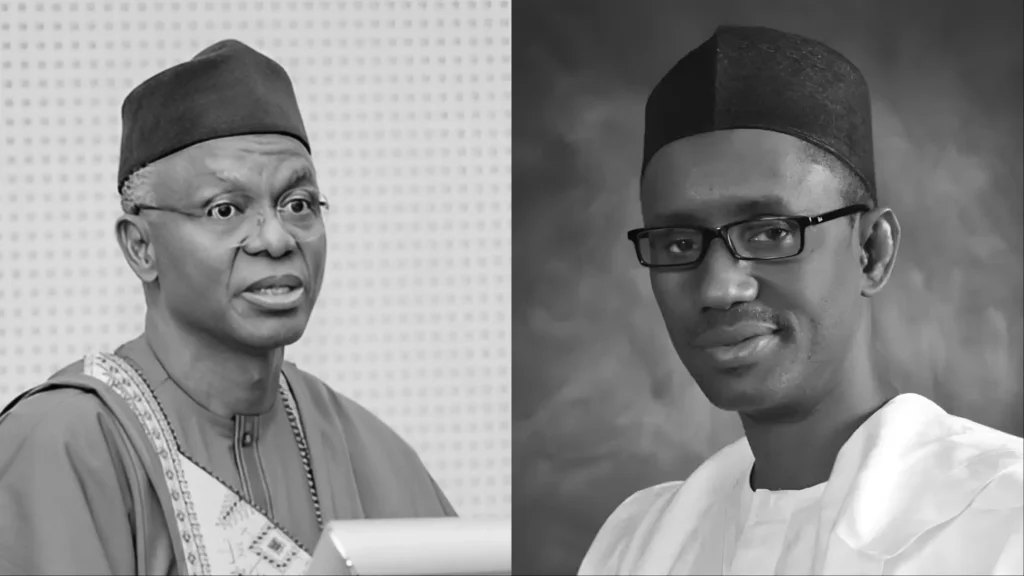

Nigeria’s national security landscape has been drawn into a fresh controversy following allegations by former Kaduna State governor Nasir Ahmad El‑Rufai regarding the purported procurement of a toxic chemical by the Office of the National Security Adviser.
In response, the Office of the National Security Adviser (ONSA), led by Nuhu Ribadu, has formally denied any involvement in the purchase or planned acquisition of thallium sulphate. The office also announced that the matter has been referred to the Department of State Services (DSS) for investigation, requesting that El-Rufai provide evidence to substantiate his claims.
The development marks a significant escalation from what initially appeared to be a request for clarification into a full-scale institutional inquiry with potential implications for public trust and national security oversight in Nigeria.
Official Denial and Call for Evidence
In a letter dated February 13, 2026, issued on behalf of the National Security Adviser, ONSA stated unequivocally that it had neither procured nor initiated any process to acquire thallium sulphate. The office further emphasized that it had no intention of purchasing the substance.
The statement also indicated that the DSS would investigate the matter and invite El-Rufai and any other individuals with relevant information to present evidence. By referring the allegation to security authorities, the issue has moved beyond political correspondence into the realm of formal investigation.
Thallium sulphate is widely recognized as a highly toxic compound capable of causing severe harm or death even in small quantities. Its mention in connection with any government procurement has therefore generated public concern and heightened scrutiny.
Related News

Henry Seriake Dickson Defects from PDP to Newly Formed Nigeria Democratic Congress
Senator Henry Seriake Dickson has formally defected from the Peoples Democratic Party (PDP) to the newly registered Nigeria Democratic Congress…

Hon. Sarah Ivie Adidi Receives “Her Excellence Award” During International Women’s Day Event in Abuja
Reps aspirant Sarah Ivie Adidi has been honoured with the 2026 “Her Excellence Award” during an event marking International Women’s…

Governor Peter Mbah Urges Ndigbo to Return to Strategic Politics
Peter Mbah, Governor of Enugu State, has urged the Igbo political class to return to what he described as “strategic…
Origin of the Controversy
The dispute began when El-Rufai reportedly wrote to ONSA seeking clarification over alleged reports that approximately 10 kilograms of thallium sulphate had been sourced from Poland. In his correspondence, he requested details on the intended purpose of the substance, supplier identity, storage arrangements, and regulatory compliance.
ONSA’s response rejected the allegation and placed the responsibility on the former governor to provide proof supporting his claims. Security analysts suggest that the swift and categorical denial reflects the seriousness of allegations involving hazardous materials and their potential impact on public confidence.
Procedural and Political Dimensions
Reports indicate that delivery of ONSA’s response to El-Rufai’s Abuja residence initially encountered minor delays after security personnel reportedly declined to accept the document. It was later received by the head of security at the residence. While largely procedural, such developments have added to the public attention surrounding the dispute.
The controversy also unfolds against a backdrop of broader tensions between Ribadu and El-Rufai. In recent public comments, El-Rufai claimed to have listened to an intercepted telephone conversation allegedly involving instructions for his arrest. Those remarks have further intensified debate about surveillance, intelligence practices, and political rivalry.
Implications for Institutional Credibility
Observers note that the referral of the allegation to the DSS represents a critical turning point. Should El-Rufai provide documentary or intelligence-based evidence, the investigation could expand significantly to examine procurement channels, regulatory oversight, and hazardous material controls.
Conversely, if no evidence emerges, attention may shift to the responsibility of public figures when making claims with potential security implications. Analysts emphasize that allegations involving dangerous substances must be supported by verifiable facts to avoid public alarm and misinformation.
The Office of the National Security Adviser has maintained that its denial is clear and comprehensive. By placing the matter before the DSS, it signaled confidence in an independent review process and reaffirmed the importance of evidence-based inquiry.
Broader Context
The episode highlights the delicate balance between transparency and security within democratic systems. When senior political actors exchange allegations involving toxic substances or intelligence operations, the stakes for institutional credibility increase.
As the investigation proceeds, its outcome is expected to shape public perception of both the individuals involved and Nigeria’s broader security architecture. Whether the controversy ultimately confirms or dismisses the claims, analysts agree that the episode underscores the need for responsible communication and robust institutional processes in matters affecting national security.