Russia Conducts Successful Test of Nuclear-Powered Burevestnik Missile with ‘Unlimited Range’
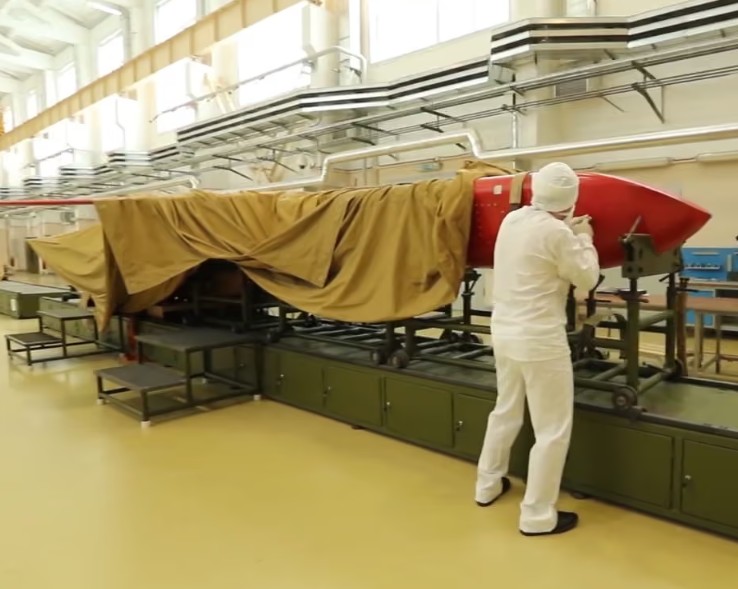

Russia has confirmed the successful test of its nuclear-powered intercontinental cruise missile, the Burevestnik, a weapon described by President Vladimir Putin as possessing “unlimited range” and “unmatched precision.”
According to reports from the Kremlin, Chief of the General Staff Valery Gerasimov briefed Putin on the launch, stating that the test took place on Tuesday. The missile reportedly covered approximately 14,000 kilometers (8,700 miles) over a 15-hour flight, marking one of the most extensive test runs of the weapon to date.
“The technical characteristics of the Burevestnik allow it to be used with guaranteed precision against highly protected sites located at any distance,” Gerasimov said.
President Putin praised the achievement during a visit to one of Russia’s joint forces command centers, calling the Burevestnik “a truly unique weapon, one that no other country in the world possesses.” He further ordered the preparation of infrastructure necessary to integrate the missile into Russia’s armed forces, signaling that the system could soon enter operational service.
Background on the Burevestnik
The Burevestnik, designated by NATO as the SSC-X-9 Skyfall, is part of Russia’s portfolio of advanced strategic weapons unveiled in 2018. Putin had previously claimed that the missile was capable of evading all existing missile defense systems due to its nuclear propulsion, allowing it to stay airborne for extended periods while traveling at intercontinental range.
Related News

Trump’s 2013 Tweet on Obama and Iran Resurfaces Amid Fresh US–Israel Strikes
A 2013 social media post by former US President Donald Trump predicting that then-President Barack Obama would attack Iran has…

Conflicting Reports Emerge Over Alleged Death of Iran’s Supreme Leader Ayatollah Ali Khamenei
Conflicting international media reports on Saturday claimed that Iran’s Supreme Leader, Ali Khamenei, may have been killed in a joint…

European Leaders Push Back Against Trump’s Tariff Threats Amid Escalating Greenland Dispute
European leaders have strongly rejected tariff threats issued by former U.S. President Donald Trump over Greenland, warning that such measures…
The missile first drew international attention in 2019, after a test reportedly ended in an explosion during a recovery mission in the Arctic region, resulting in several casualties. Since then, Western intelligence and independent satellite imagery have periodically detected renewed test preparations at Russian test sites, including navigation alerts suggesting planned launches.
The recent test, which Russian media describe as “final and successful,” could mark the completion of a key phase in the missile’s development.
Global Reactions and Implications
The successful test comes at a time of heightened geopolitical tension, particularly as Russia continues its military operations in Ukraine. Analysts suggest that showcasing a “doomsday-class” missile at this stage may serve as a strategic message to Western powers amid ongoing sanctions and military aid to Kyiv.
While the Kremlin has presented the Burevestnik as a deterrent ensuring Russia’s security, Western defense analysts warn that nuclear-powered missiles pose significant environmental and safety risks due to potential reactor leaks or crashes during flight.
Some observers have also drawn parallels between this test and Cold War-era arms races, describing the weapon as a “symbol of Russia’s determination to maintain strategic parity” with the United States.
Broader Context
Peace negotiations between Moscow and Kyiv remain stalled despite mediation attempts, including by former U.S. President Donald Trump, who has pledged to prioritize ending the conflict if re-elected. Meanwhile, Russian forces have been slowly advancing through Ukraine’s defensive lines in a war that has entered its third year, with heavy losses on both sides.
The timing of the Burevestnik announcement—amid battlefield stalemates and shifting global alliances—suggests Moscow is reinforcing its narrative of technological and military superiority.
As of now, no independent verification of the missile’s claimed range or capabilities has been provided by international agencies. However, experts note that if fully operational, the Burevestnik could significantly alter the global nuclear balance, effectively giving Russia a platform capable of striking targets from virtually anywhere on the planet.
The development underscores what many see as the renewed era of nuclear brinkmanship, as nations revisit deterrence doctrines last dominant during the mid-20th century.