Tinubu Approves Posting of Four Ambassador-Designates to United States, UK, France, and Turkey
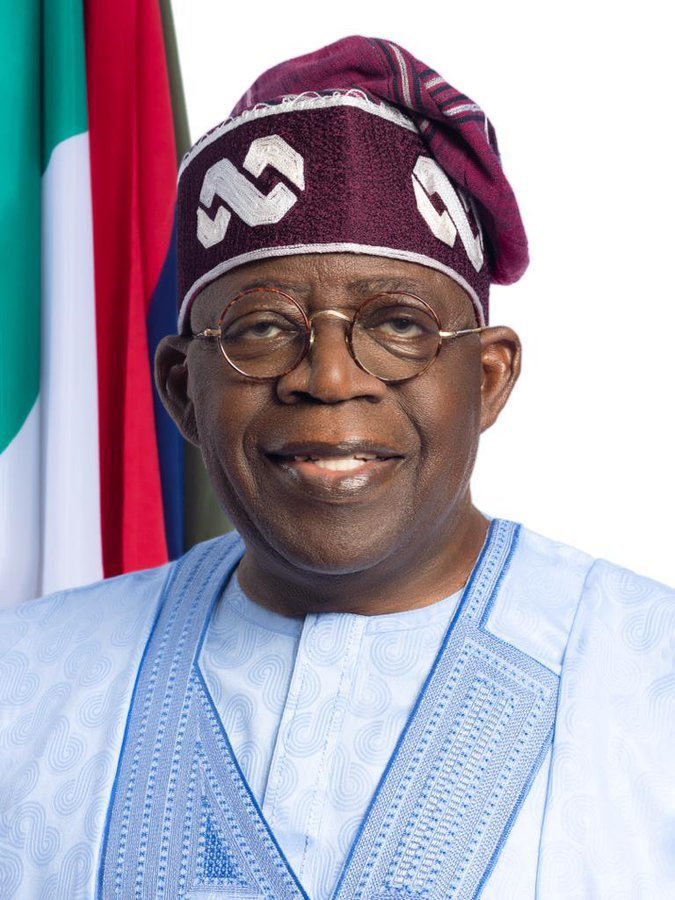

President Bola Ahmed Tinubu has approved the posting of four ambassador-designates to strategic foreign missions, nearly a month after the Senate confirmed 68 nominees submitted by the executive. The development was announced on Wednesday in a State House press release signed by the President’s Special Adviser on Information and Strategy, Bayo Onanuga.
According to the statement, Colonel Lateef Are has been approved as Nigeria’s ambassador-designate to the United States of America, one of the country’s most important diplomatic postings. Ambassador Ayodele Oke has been designated to serve as Nigeria’s envoy to France, while Ambassador Amin Dalhatu, a former ambassador to South Korea, has been appointed as the high commissioner-designate to the United Kingdom.
Also included in the approvals is Usman Isa Dakingari Suleiman, a former governor of Kebbi State, who was named ambassador-designate to Turkey. The announcement comes ahead of President Tinubu’s scheduled state visit to Turkey next week, a trip expected to focus on strengthening bilateral relations, trade, and security cooperation between both countries.
Related News
US ‘Boots on the Ground’ in Nigeria Will Depend on Defence Ministry’s Advice — Tuggar
Nigeria’s Foreign Affairs Minister, Yusuf Tuggar, has said any decision to allow United States troops to operate on Nigerian soil…

Ndume Urges President Tinubu to Withdraw Ambassadorial Nominee List Over Federal Character Concerns
Senator Ali Ndume has called on President Bola Tinubu to withdraw his recently submitted ambassadorial nominee list, arguing that the…

Nigeria Grants Asylum to Guinea-Bissau Presidential Candidate Amid Heightened Political Tension
The Federal Government of Nigeria has granted temporary asylum to Guinea-Bissau opposition presidential candidate Fernando Dia Da Costa, offering him…
In a memo addressed to the Ministry of Foreign Affairs, President Tinubu directed the ministry to formally notify the governments of the host countries of the ambassadorial postings in line with established diplomatic protocols. This notification process is required before the ambassadors can formally assume duty in their respective countries.
The approval represents the first set of postings from the list of 68 ambassadorial nominees confirmed by the Senate in December 2025. The delay in postings had earlier attracted public criticism, with concerns raised about Nigeria’s prolonged absence of substantive ambassadors in several key capitals and the potential impact on diplomatic engagement and foreign policy coordination.
While the presidency has not provided a timeline for the posting of the remaining ambassador-designates, officials have indicated that the process will continue in phases. Observers note that the gradual rollout may be tied to administrative, security, and budgetary considerations, as well as the need to align postings with Nigeria’s current foreign policy priorities.
The announcement has generated mixed reactions among members of the public. Some commentators welcomed the development as a long-overdue step toward restoring Nigeria’s diplomatic presence abroad, particularly in Washington and London, where Nigeria maintains extensive political, economic, and diaspora ties. Others, however, questioned the pace of the process, arguing that the delay in deploying ambassadors has weakened Nigeria’s international visibility and influence.
There were also speculations and debates surrounding the overall composition of ambassadorial postings, though the presidency has maintained that selections and assignments are based on national interest and established procedures. No official statement has been issued regarding potential revisions or changes to the announced postings.
Nigeria’s diplomatic missions play a crucial role in advancing the country’s foreign policy objectives, protecting the interests of citizens abroad, and promoting trade, investment, and cultural exchanges. With the approval of these four postings, attention is now expected to shift to when the remaining confirmed ambassadors will be deployed and how the Tinubu administration intends to recalibrate Nigeria’s global diplomatic strategy.