Southern Kaduna Farmers March Barefoot With Faces Painted Black to Protest Herders’ Killings
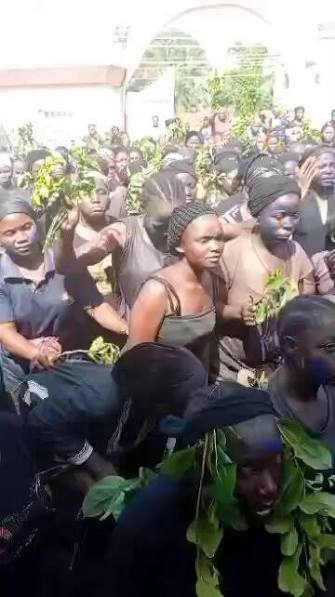

Farmers in Southern Kaduna, mostly women, took to the streets in a sorrowful yet symbolic protest, painting their faces black and marching barefoot to the palace of a traditional ruler to decry years of repeated attacks by armed herders.
The women, dressed in mourning attire, sang heart-wrenching songs and wept openly as they moved through their villages toward the palace — a gesture that reflected not only their grief but also their growing despair over the persistent insecurity that has ravaged their communities.
Related News

Gunmen Attack ADC Leaders in Benin as Obi, Oyegun Allege Assassination Attempt
Tension rose in Benin City after gunmen attacked the African Democratic Congress (ADC) secretariat and the residence of former Edo…

NDLEA Arrests Lekki Real Estate Executive Kolapo Oladapo Over Alleged Drug Distribution Network
The National Drug Law Enforcement Agency has arrested Lekki-based real estate executive Kolapo Oladapo following the recovery of 89.2 kilograms…

Rising Phone Thefts and Scams Spark Fear at Lagos’ Ikeja Computer Village
Nigeria’s largest technology market, Ikeja Computer Village, is facing growing concerns over rising phone theft and scam activities.
Eyewitnesses said the women’s procession drew attention across several villages, with many describing it as a “silent cry for justice.” For years, residents of Southern Kaduna have endured violent clashes between farmers and herders, leaving thousands dead, many displaced, and entire farmlands abandoned.
The conflict, which has persisted across several northern states including Zamfara, Benue, and Plateau, has often been attributed to disputes over grazing routes, farmland, and water resources. However, local leaders say the crisis has deepened due to the government’s failure to provide adequate security and the growing ethnic and religious undertones fueling the violence.
The recent protest comes just weeks after a peace summit was held in Kaduna, where both farmers and herders publicly pledged to pursue dialogue and peaceful coexistence. Yet, locals say little has changed on the ground. They accuse authorities of neglecting rural communities, allowing attacks to continue unchecked.
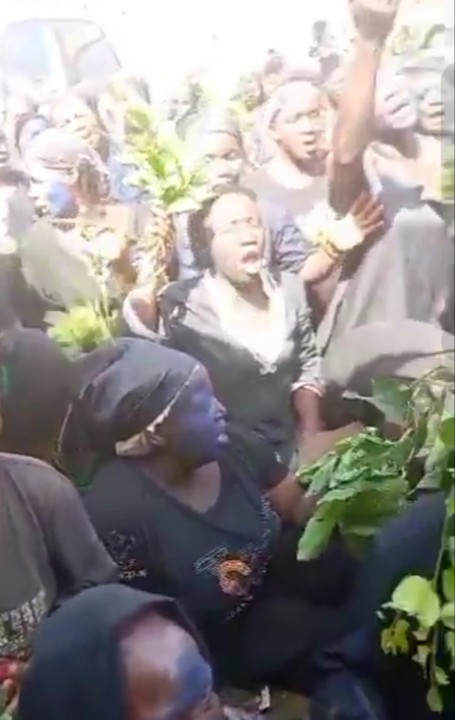


“We are tired of burying our husbands, sons, and children,” said one protester, who declined to be named for safety reasons. “We want peace, not promises. We want to live and farm without fear.”
Civil society groups have called on the Kaduna State and Federal Governments to respond swiftly to the farmers’ outcry, urging concrete action rather than rhetoric. Analysts say the October 2025 demonstration highlights the desperation of communities who feel abandoned and unheard.
Insecurity in Southern Kaduna remains one of Nigeria’s longest-running internal crises, a humanitarian tragedy that has persisted despite repeated military operations and peace initiatives.